

What Is Pool Pump Maintenance?

Now and then, take a look at your pool pump just to be sure everything seems right. Start by clearing out the basket where debris collects; it ought to stay free of gunk. The filter needs attention too; make certain it is not clogged or worn down. Seals around moving parts can weaken over time, so give them a close eye once in a while. Pressure readings on the gauge tell a story. Watch how high or low they run week after week. Spotting odd signs early keeps bigger headaches away later on. Clear water sticks around when upkeep stays consistent, while energy use drops if care keeps up; surprise failures tend to fade too, given steady attention.
Why Regular Pool Pump Maintenance Matters
Most days, the pool pump keeps running without a break. When gunk like leaves or strands sticks around too long, things slow down; grit gathers where it should not. A steady cleaning habit stops small messes from turning into big trouble later on.
Benefits of regular pool pump maintenance include:
- Keeps water circulating properly.
- Prevents clogs and blockages.
- Reduces strain on the motor.
- Extends the lifespan of the pump.
- Lowers electricity consumption.
- Reduces expensive repair costs.
- Helps maintain healthy and clean pool water.
Time moves on, but a well-maintained pump just keeps going when others give up fast. Without care, it wears out quickly – tended properly, it lasts much longer.
Pool Pump Operation Basics
Water moves from the pool once the pump starts. As the motor runs, it spins the impeller inside. This spinning part draws water in through openings. A mesh basket grabs big bits of twigs, leaves, and debris before they go farther. Flow continues beyond that point, heading into filtering layers. Pressure rises thanks to constant rotation. Movement stays steady because of this push. Backflow happens when filtered water re-enters the pool via jets, having left larger debris behind. Movement driven by the pump keeps every part of the system active; without it, cleanup slows to a stop.
Pool Pump Care Basics
Cleaning the Pump Basket
Water moves through the pump only after passing a mesh trap. This trap catches big junk like bugs or twigs floating by. When it gets clogged, less liquid slips past. The machine then runs rough, straining to keep up.
How to Clean the Pump Basket
- Turn off the pool pump.
- Close the necessary valves if applicable.
- Remove the pump lid.
- Take out the basket and remove debris.
- Water streams off the metal weave under pressure from the tap. The spray knocks loose clinging bits of soil and old roots.
Look it over. Check for splits or harm. - Reinstall the basket and secure the lid.
Most of the time, grabbing debris from the basket weekly or maybe two times does the job. Are trees dropping leaves close by? That situation often means swinging by more than twice just to keep things clear.
Check and clean the pool filter
Water moves more slowly when gunk clogs the filter, making the pump work harder. With debris stacking inside, clear routes shut down, and pressure builds without warning. Each effort to move liquid now takes more force than before. Strain settles into the motor as pressure climbs steadily.
Maintenance shifts depending on the type of filter installed;
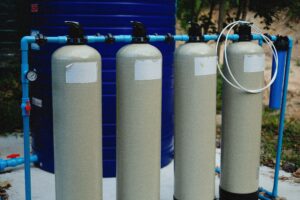
- Back at intervals, these filters need to reverse the flow to clean them. Over time, the old sand must give way to fresh grains to take its place. Each cycle keeps grit from slowing water down. Now and then, take out the cartridge filter so you can rinse off gunk using running water from a garden hose.
- Diatomaceous earth (DE) filters require backwashing and replacing DE powder after cleaning.
Watch the filter’s pressure reading at all times. When it climbs 8 to 10 pounds higher than usual, that’s a sign dirt has built up inside. Most often, this jump means gunk is clogging the system. Cleaning becomes necessary once the needle moves past its regular spot. Pressure creeping upward hints maintenance can’t wait much longer.
Inspecting O-Rings and Seals
Water stays out because tiny rings block it, using soft material that fits tightly. After a while, that flexible part might lose moisture, split open, or get hurt.
Check O-rings regularly for:
- Cracks.
- Flattening.
- Dryness.
- Signs of wear.
Start by using a silicone lubricant that works safely around pools. This helps maintain seal flexibility. When signs of wear show up, swap out the old seals without delay.
Monitoring Water Flow and Pressure
A well-moving stream shows the pump and filter doing their job right.
Signs of reduced water flow include:
- Weak return jets.
- Poor skimmer suction.
- Increased filter pressure.
- Air bubbles are entering the pool.
Watch the dials often. See how the water flows. Spot trouble before it grows. Notice changes each day. Find issues fast that way.
Lubricating Moving Parts
Some newer pool pumps include sealed bearings right inside; no extra oil is needed to keep them moving. A factory seal traps lubrication where it belongs, letting the pump work cleanly over time. These units turn steadily, thanks to parts that stay put and require less handling. Older models might include parts needing periodic grease, following what the maker suggests. Lubricating parts needs the right kind of product, one made just for pool gear. Wrong choices can eat away at rubber bits over time. Seals might crack when exposed to common household lubes. Always pick what’s built for this job; nothing else fits. Equipment lasts longer if treated with care during maintenance. Even small mistakes here lead to leaks later on.
Checking for Leaks
Puddles near the pump might mean it is working harder than normal, costing more each month. A drip here or there slowly adds up over time, affecting how well things run.
Inspect:
- Pump housing.
- Pipe connections.
- Valves.
- Seals.
- The area beneath the pump.
A drip today might mean trouble tomorrow if left unchecked. Fixing tiny seeps early stops them from reaching the engine. When moisture spreads, parts nearby can fail without warning. A quick fix now prevents bigger issues later. Left alone, a minor leak grows into costly repairs.
Pool Pump Maintenance Schedule
Daily Maintenance Checklist
Every morning, a quick look cuts problems before they grow. Tiny effort now blocks huge headaches later.
- Check that the machine moves smoothly. Watch how it behaves during operation.
- Check for unusual noises.
- Confirm strong water circulation.
- Look for visible leaks.
- Watch how high the water sits in the pool.
Weekly Maintenance Tasks
Weekly maintenance includes:
- Cleaning the pump basket.
- Checking the skimmer basket.
- Inspecting water flow.
- Checking filter pressure.
- Looking for signs of leaks or wear.
Monthly Maintenance Tasks
Once every four weeks, take time to check things closely.
- Give the pool filter a rinse when it looks grimy.
- Inspect O-rings and seals.
- Check electrical connections for visible damage.
- Clean debris around the pump area.
- Inspect pipes and fittings.
Seasonal Pool Pump Maintenance
Spring Opening
- Inspect the pump for winter damage.
- Reconnect equipment.
- Start by looking at the seals. Then move on to inspecting the connections between parts.
- Before you start, get the pump ready.
Summer Maintenance
- Baskets need a wipe-down now and then when the pool sees extra folks splashing around.
- Watch how long things run while checking if the water stays clean. At times, machine schedules matter just as much as what flows through them.
Fall Maintenance
- Remove falling leaves regularly.
- Prepare the system for cooler temperatures.
Winter Protection
In freezing climates:
- Turn off the pump.
- Water must exit the pump first. After that, clear it from the tubes. Empty every section slowly. Let nothing remain inside. Move carefully through each part.
- Remove drain plugs.
- Store removable parts indoors if possible.
- Use a protective cover.
Common Pool Pump Problems and How to Fix Them
Pool Pump Not Turning On
Possible causes:
- Tripped circuit breaker.
- Faulty timer.
- Damaged motor.
- Electrical connection problems.
Start by looking at power sources and also test the reset buttons. Only someone trained ought to fix electrical issues.
Low Water Flow Problems
Common causes include:
- Clogged pump basket.
- Dirty filter.
- Blocked skimmer.
- Air leaks.
- Clogged impeller.
Most times, a good cleaning plus checking for blockages brings flow back to normal.
Strange Noises from the Pump
A healthy pump should operate with minimal noise.
Common noises include:
- Grinding: Often caused by worn motor bearings.
- Whining: May indicate motor problems.
Air Leaks in the System
Air leaks often occur around:
- Pump lids.
- O-rings.
- Pipe connections.
- Valve fittings.
Water might sputter out of the jets, sometimes carrying tiny air pockets along. A pump that struggles to stay primed often points to worn parts letting in air. Fixing it typically means swapping out cracked gaskets while securing loose connections nearby. Most times, that brings back smooth circulation without further steps.
Pool Pump Overheating
Overheating may result from:
- Poor ventilation.
- Dirty components.
- Motor problems.
- Running the pump without adequate water flow.
A sudden blockage can choke performance; clear space around the unit fast. Stagnant flow? Address it before small hiccups become loud failures.
Pool Pump Maintenance Tips to Extend Pump Life
Preventing Clogs and Blockages
- Keep the pool free of leaves and debris.
- Empty baskets regularly.
- Maintain proper water levels.
- Clean filters according to schedule.
Protecting Your Pump During Winter
Frost might split pump casings when trapped water turns to ice. To guard against winter damage, empty all gear completely before cold sets in. Exposed tubing needs shielding; wrap it well ahead of snowfall. A sturdy cover over the pump blocks both wind and moisture.
Reducing Wear and Tear
To reduce unnecessary stress on your pump:
- Avoid running it with clogged filters.
- Repair leaks quickly.
- Maintain proper water chemistry.
- Use correct pump operating schedules.
Improving Energy Efficiency
Energy-saving practices include:
- Installing a variable-speed pump.
- Running the pump during off-peak electricity hours.
- Keeping the system clean.
- Adjusting run times based on pool usage and weather.
Pool pump maintenance tools and supplies
Essential Cleaning Tools
Useful maintenance tools include:
- Garden hose.
- Pool brush.
- Soft cleaning cloths.
- Filter cleaning tools.
- Brushes that fit into narrow spots work well where space is limited. Tiny tools reach areas bigger ones cannot touch easily.
Common Replacement Parts
Common replacement components include:
- Pump basket.
- O-rings.
- Gaskets.
- Drain plugs.
- Pump lid.
- Seals.
- Valves and fittings.
Safety Equipment for Maintenance
Always prioritize safety by using:
- Protective gloves.
- Safety glasses.
- Non-slip footwear.
- Use gear that protects against electric shocks whenever needed.
Power down the system first when working on a pump.
DIY Pool Pump Care Compared With Pro Service
Handling Maintenance On Your Own
Most homeowners can safely perform tasks such as the following:
- Cleaning baskets.
- Washing filters.
- Inspecting seals.
- Checking for leaks.
- Monitoring pressure and water flow.
Done right, these small jobs make sure everything runs without hiccups.
When to Call a Pool Professional
Professional service is recommended for:
- Electrical problems.
- Motor replacement.
- Persistent leaks.
- Bearing failure.
- Major plumbing repairs.
- Pump replacement or upgrades.
Finding tough problems becomes easier when someone trained takes a look. Tools made for specific jobs help spot what is wrong without taking chances.
Real-World Pool Pump Maintenance Examples
Maintaining a Residential Pool Pump
Weekly cleaning of the pump basket happens when someone owns a home with a backyard pool. Filter pressure gets checked around that time too. Once every month, attention turns toward examining the seals. Clear water often follows such steps. Problems show up less often because of these small efforts. Through the whole swim season, things tend to run more smoothly.
Pool Pump Care for High-Usage Pools
When pools sit in hotels or busy neighborhoods, they see more swimmers. Because of that, someone needs to check them often. Water flow stays better when filters get cleaned regularly. Professionals usually handle deeper maintenance tasks. Faults creep in fast when attention slips.
Pool Owner Mistakes People Often Make
Watch out for these typical errors:
- Ignoring unusual noises.
- Waiting too long to clean filters.
- Running the pump with low water levels.
- Using incorrect replacement parts.
- Neglecting winter preparation.
- Ignoring small leaks.
Pool Pump Maintenance Costs
Typical Maintenance Expenses
Most of the time, upkeep price shifts based on how big the pool is, what kind of gear it uses, and who handles the tasks.
Typical expenses include the following:
- Replacement O-rings and seals.
- Filter cleaning supplies.
- Occasional professional inspections.
- Replacement baskets or small parts.
Fixing things yourself now and then does not cost much.
Repair Costs Compared to Preventive Maintenance
When pumps break without warning, repair bills pile on fast. Catch problems quickly and avoid messy surprises down the road. A fresh motor here, with new seals, costs climb before you know it. Running clean keeps those moments away.
How Regular Maintenance Saves Money
Consistent maintenance saves money by:
- Lowering energy consumption.
- Preventing major repairs.
- Extending pump lifespan.
- Improving filtration efficiency.
- Fewer trips are needed when crises hit.
FAQs
Pool Pump Service Frequency?
Check it once a week, just a glance. Yearly brings an expert look unless things feel wrong; then go sooner. Spotting trouble starts with noticing small signs. Most times, delays turn tiny issues into big ones. When seasons shift, hidden flaws start showing up. Sounds that seem off carry real warnings. Getting ahead now beats getting trapped down the road.
Pool Pump Lifespan Explained?
Pump life tends to last between eight and twelve years if looked after properly. Good materials help, but operation style holds equal weight. The environment where it’s installed also has an effect. Over months, small upkeep choices slowly tip the scale one way or another.
Can I Leave My Pool Pump Running Continuously?
True, plenty of today’s pumps are built to operate nonstop, particularly those with adjustable speeds. Still, homes usually need just a set number of hours each day, shaped by how big the pool is, local weather, plus what the filter system demands. Keeping it going around the clock tends to push up power bills.
Conclusion
Fixing little issues fast keeps your pool pump running longer. Cleaning the baskets now helps avoid bigger troubles later. Watching how hard it works matters more than most think. Seals need a look every so often, too. Taking care of these things just makes sense. Starting with regular upkeep, then adding expert help whenever things get tricky, keeps the pool’s flow running smoothly. Water stays clearer because of it. Bills go down since everything works better. Years pass without big fixes piling up. Efficiency sticks around when care does.