

What Is an Indoor Pool Addition?
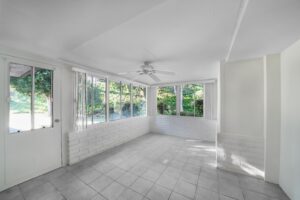
A space meant for an indoor pool goes beyond simply putting water under a roof. Not merely four walls around tiles but rather built to manage steam, warmth, airflow, and strong weight demands too. Moisture fights back thanks to hidden drying tech tucked into ceilings or floors. Insulation wraps the shell like padding beneath surfaces you see. Materials repel dampness instead of soaking it up by accident. Heavy-duty framing holds steady even when wet air pushes hard against beams. Each piece fits only once placed correctly, so nothing cracks later on.
What Sets It Apart From Outdoor Pools
Under cover, water areas avoid downpours, gusts, debris, and seasonal shifts. Year after year, they remain ready without pause. Keeping the water clean turns simpler when nature stays out. Yet these spaces must breathe well, or moisture builds up slowly. Without proper airflow, walls sweat, and materials weaken over time. That kind of upkeep does not matter beneath open skies.
Indoor Pool Advantages
Swimming whenever feels right; that’s what draws many people indoors when it comes to pool use. Shelter overhead means fewer leaves and dirt swirling in from outside, so skimming the top isn’t a daily must. Some enjoy using the pool daily just to move their bodies after injury or long work hours. Others appreciate how clean surroundings mean fewer germs floating around during use. When built well, these spaces raise what buyers will pay if the house ever goes up for sale. Peace comes easier when water laps nearby at night instead of street noise. Out past the usual paths, quiet coves offer calm swims like luxury escapes—no flights needed, no lines at check-in. Early light settles without hurry. Few footsteps mark the path. Stillness holds every corner by itself.
Is It Right for You?
A home with an indoor swimming area works well when regular swims matter most, and comfort counts year-round. Yet if dips happen now and then, the price tag on building one might feel too steep. Space needs to be enough, floors strong beneath, and systems ready overhead. Bills keep arriving, filtering, heating, and checking things daily.
Indoor Pool Addition Costs: What to Expect
A room full of water means digging deep, framing strong, then sealing tight. One mistake in wiring or airflow, and problems grow fast. Where sunlight once played, now humming devices cast a pale glow. Damp stays in check because hidden systems pull it away. Air does not still; it shifts slowly through ducts. Underfoot, surfaces hold firm when stepped on. Moisture tries the walls but finds them unyielding. Above, ceilings bear weight without drooping, even when wet. Every material picks up stress where wet meets warm. Digging outside is messy; enclosing that mess indoors multiplies effort. Hidden pipes carry more than water; they move climate control through hidden channels.
Average Cost
Most of the time, adding an indoor pool means costs swing a lot based on how big it is or how fancy the layout gets. A compact, basic version takes far fewer dollars up front, whereas high-end versions, complete with bubbling areas, clear barriers, and smart controls, push into much steeper territory. What keeps the air steady and the roof sealed might demand just as heavy a spend, sometimes even outpacing the water feature below.
Key Cost Factors
Most of what you pay comes down to how big the pool is, what it’s built from, where it sits, and whether air control is needed, along with inside details. Poured-in-place designs let owners change shapes or depth—though that freedom raises the price. Machines that move air and pull out moisture add steep expenses since they keep walls and structure intact over the years.
Construction vs Maintenance Costs
Starting a build marks just step one. After that comes heat, power, water cleaning, chemical upkeep, and moisture handling; each part adds up. Because air regulation runs nonstop, indoor versions typically pull more energy. The machines keeping conditions stable never really rest.
Lower Expenses
Begin with what works. Stick to simple stuff. Pick smaller pools that save power without fuss. Good gear runs cheaper over time. Get airflow right before anything else kicks off. A cover slows down heat slipping away, plus cuts water fade.
Planning an Indoor Pool Addition
Start smart; picking the right spot matters most. Then comes figuring out how big it needs to be. The frame must hold what goes inside, so strength checks are next. Rules written into law guide every step after that. Getting each piece clear ahead of time keeps things running without hiccups later.

Choosing Location
Pools inside homes might fill a garage, rise where basements once sat unused, or grow out of spare rooms. Away from eyes yet strong enough underfoot, matt. The airflow nearby helps, too, while walking distance counts just as much.
Space and Dimensions
Walking near the pool should never mean dodging furniture or walls. Stashed near the corner, towels and inflatables stay clear of foot traffic. Up above, space stretches high so warmth rises, never settling where people move. Breathing feels lighter when air moves freely overhead.
Structural Considerations
Heavy water demands stronger base supports. Because of ongoing dampness, chosen materials need to resist moisture over time. A structure’s ability to handle lasting pressure gets checked by specialists who focus on stability.
Permits and Codes
A lone indoor swimming area could require distinct clearances: one for electrical lines, another for plumbing, and yet a third for ventilation, along with checks on structural soundness. Failure to address even one piece tends to surface later as trouble.
Indoor Pool Design Ideas
A room’s layout shapes both comfort and purpose. Whether sleek, lavish, tight on space, or built for workouts, indoor pools match what the owner truly wants.
Modern Designs
Out here, straight edges shape the water. Pale colors meet clear panes instead of clutter. Light moves through open spaces without distraction. Glass takes the place of heavy barriers. Less sits around, making room for quiet views. Simple forms hold the space together. Sunlight defines the mood most days.
Luxury Ideas
Spas show up in luxury setups, sometimes paired with waterfalls that trickle softly into stone basins. Lighting shifts color based on the time of day, built right into the walls. Heated floors warm bare feet without noticeable effort. High-end materials line every surface, cool to the touch but never cold. A quiet kind of comfort takes hold here, more felt than seen.
Small Pool Solutions
Out back, a small soak tub fits snugly between the fence and shed. Water moves slowly in swim jets tucked inside tight frames. Some folks stretch their limbs here after work hours. Others kick hard through short laps each morning. Space stays lean, yet bodies get moving just the same.
Lap vs Recreational Pools
Swimming laps? That kind of pool leans into exercise, built for routine strokes back and forth. On the flip side, others invite slow days, kids splashing, and quiet floats meant to unwind. A few clever setups manage to blend the two worlds without tipping too far either way.
Lighting and Finishes
Bright spaces lift spirits, yet secure footing matters just as much when floors stay wet. How a room feels is tied closely to its surfaces, especially where damp air lingers. Shine can shift how people react, but solid traction keeps movement steady in slick conditions. Textures shape perception, even more so in places that face daily steam or spills. Illumination does more than help sight; it changes comfort levels subtly over time. Floor materials need toughness against water, not just looks after repeated exposure.

Construction Process
Out of the ground it starts, digging deep before bones go up. Once walls rise, pipes sneak through corners while wires weave behind scenes. Water stays out thanks to hidden shields tucked in place. Things wrap up with surfaces smoothing over every edge.
Design and Engineering
A step-by-step plan keeps everything on track, so stability and connections stay solid throughout. While each part fits together, the overall shape holds firm without surprises along the way.
Excavation and Structure
Beneath the surface, soil gets cleared out first. Steel bars weave through the space next. Concrete pours in after, forming a solid floor later. Heavy loads of water rest on this once it dries fully.
Plumbing and Electrical
Pumps move water through pipes built to resist leaks and pressure. Filters clean particles using layers of material that trap dirt. Heat gets added slowly, so temperatures stay steady for fish. Lights turn on and off following natural day cycles. Computers watch everything, stepping in when something shifts.
Waterproofing and Insulation
Beneath everything, a shield blocks moisture yet slips heat along smoothly. Still hidden, it holds back wetness even as warmth moves past. Down below, resistance forms against damp but lets thermal flow continue. Inside the layers, something stops seepage at the same time, letting heat drift forward. Hidden underneath, protection rises to fight humidity, though temperature still travels. Inside each wall, protection works quietly, blocking wet air yet helping temperature move just right. These barriers slow down dripping by balancing indoor climate shifts. Temperature stays steady because trapped air cannot escape easily. Cold surfaces resist fogging thanks to protective wraps. Leaks become rare when shields block dampness effectively.
Finishing Touches
Pools come alive indoors when tiles meet deck surfaces under soft light, followed by quiet checks that confirm everything works. Each piece finds its place through careful setup long after materials arrive on site.
Ventilation and Humidity Control
Moisture hanging in the air matters more than many realize when you have an indoor pool. Left unchecked, that dampness begins eating away at walls, ceilings, floors, and everything nearby.
Why It Matters
Mist rises when water vanishes into the air, leaving dampness behind. That wetness sticks around, creeping into walls unless it’s stopped. Without checks, decay begins silently at first. Metal weakens, surfaces rot, and wood softens over time. Hidden cracks grow where eyes don’t reach.
Dehumidification Systems
Machines like these pull out too much dampness while keeping airflow steady. Vital if things need to last a good while.
HVAC Systems
Warmth moves through rooms using heating setups that work alongside airflow networks. These keep moisture from gathering on surfaces by swapping stale indoor air with fresh outdoor air. Temperature stays steady because both parts help balance what people feel around them.
Preventing Mold
Mold stays away when gaps are tight, and air moves well because upkeep happens often.
Indoor Pool Heating Options

Warmth keeps the water cozy through every season.
Gas Heaters
Heats up quickly, though electricity bills climb. Still warms fast even if expenses rise over time.
Electric Heat Pumps
Fine for steady power savings over time. Long-lasting without guzzling watts.
Solar Heating
Working well with nature, yet it relies heavily on how the weather unfolds. Still, it bends when the keys stay dry too long.
Best Choice
Some homeowners pick setups that mix speed with smart energy use. Still others go for combos balancing power and savings well.
Maintenance and Upkeep
Most days start with someone looking at the indoor pool chemicals. Water inside gets tested early. A check happens each morning, usually. Inside, the liquid is examined for balance. The routine begins when daylight comes. Early light means time to inspect levels. Indoor pools need attention like this. Keeping chemicals at the right levels prevents issues later on. Filters run constantly but still demand attention every few weeks. Without clean walls and floors, algae start spreading fast. Machines that control air moisture get checked just as often. Equipment like heaters or vents might fail if ignored for too long. Routine steps keep everything running without surprise breakdowns.
Safety Features
When it comes to closed spaces, staying safe matters most. A cover over the pool helps keep things under control, while fences block access where needed. Floors that resist slipping make movement safer when wet, and lights brighten dark corners effectively. Rules posted plainly guide behavior without confusion, so everyone follows along easily.
ROI and Home Value
A splash of water inside a home might catch eyes where money flows freely, yet it mostly answers to desire. Comfort finds its way through tiled walls beneath glass ceilings instead of promises of profit. Slowly, the pull deepens, built from mist and glow even as figures hold still in print.
Common Mistakes
Most bad choices about pool dimensions happen because people miss regulations. Costly problems stick around when budgets get mishandled. Planning fails without fresh air flow considered. Skipping key details piles up trouble later. Poor choices today echo in future repairs.
FAQs
How much does an indoor pool addition cost?
Depending on how big it is and how it’s laid out, the price shifts a lot yet tends to run steep since you’re combining a swimming area with an enclosed space that needs airflow, warmth control, and moisture barriers.
How long does construction take?
Most times it takes a few months. A basic setup moves quickly, though fancier indoor pools slow things down because of building changes, paperwork steps, plus unique gear needs.
What is the best indoor pool heating system?
Water heating choices differ in how they work. While heat pumps save energy over time, gas units deliver hot water fast. Solar relies on sunny days to function well. Instead of picking just one, households often mix systems.
Do indoor pools need special ventilation?
Pools inside buildings? They need special air handling. Moisture is managed that way. Mold stays away because of it. The walls and roof last longer, too.
Conclusion
Inside four walls, a patch of yard becomes something different. When done well, tiles and water turn into stillness. Here, breathing finds its rhythm again. Tension slips away without notice. Water laps gently while light bends across surfaces in ways that calm instead of shout. This kind of space sticks around, growing more useful as years pass. Its worth climbs quietly beneath the surface like roots spreading under soil.