
What Is a Beach-Entry Pool?
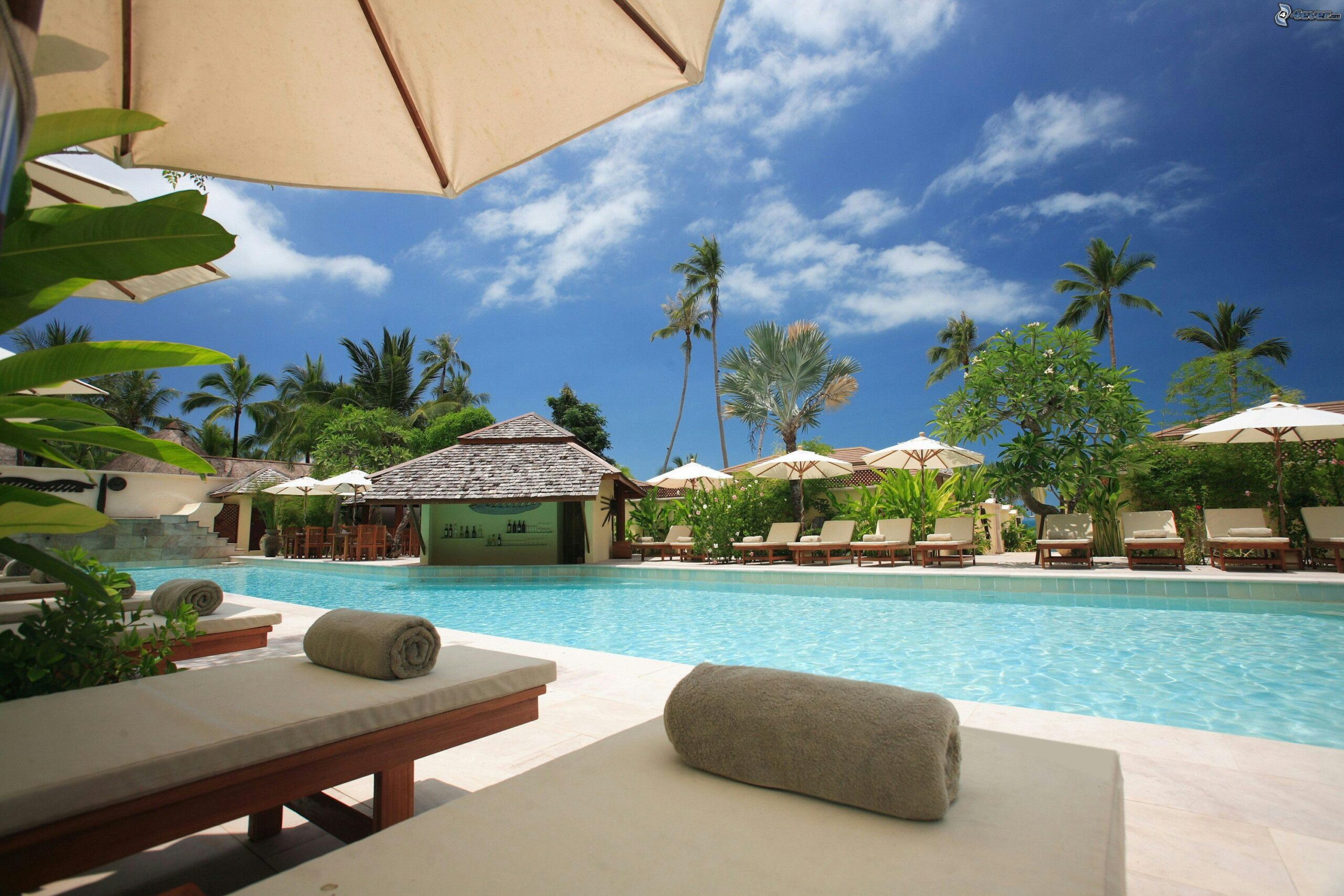
Water begins shallow at one end of some pools, moving slowly toward deeper areas. Instead of stairs or metal rungs, people step in just like they would along a lakeside stretch. This kind of setup mimics how sand meets waves outdoors, smooth and unhurried. Gradual depth changes let anyone move forward without jumping or climbing first.

Out beyond the house, water spills softly where earth touches air, pulling the lawn down into the pool like a quiet invitation. Not long ago spotted just in coastal villas, step-free designs are turning up in backyards everywhere, style stitched neatly to comfort. Gentle inclines take the place of hard drops, so greenery slips into the wet without missing a beat. What was once a resort-only touch fits quietly into private backyards, changing how space feels without shouting about it.
How a Beach Entry Pool Works
Starting on solid ground, a beach-style pool eases into the water rather than dropping off via stairs. Little by little, it dips lower, stretching out wide where kids splash without going deep. This gentle drop keeps wading space open far beyond the edge. Only after some distance does the floor sink enough for real swimming. From one edge to the next, the incline balances ease of movement with steady flow and secure footing. Not too steep, it opens up space where people unwind, kids splash, or anyone steps gently into the water.
Key Features of a Beach Entry Pool
Several features distinguish beach entry pools from conventional designs:
- Gradual walk-in entry with no steps
- Large shallow-water zone
- Enhanced accessibility
- Resort-inspired appearance
- Flexible design options
- Family-friendly functionality
- Natural integration with landscaping
Homeowners who want convenience without sacrificing comfort often find these details appealing. Beach entry pools pull off a balance that feels natural rather than forced.
Beach Entry Pool vs Traditional Pool Entry
Water access in classic pools usually means using steps, a ladder, or built-in seating. These methods work fine, but lead to a sudden shift from land to swimming. Sliding into the water feels easier when you can walk in slowly. Kids often like it best, though grandparents do too, really—anyone who hates jumping in. Price tags run higher on these builds, yet plenty still choose them just for how nice they look and feel. Comfort wins out, even with extra expense.
Benefits of a Beach Entry Pool
More people are choosing beach-entry pools lately, not just for how they look, but because they offer plenty of benefits.
Safe and Easy Access for All Ages
Walking into the water feels smoother here since there are no steps to climb, just a slow move downward. Little ones splash around safely where it’s not deep. Older people find it kinder on their bodies without needing to reach too far or lift too high.
Resort-Style Appearance
Water laps gently at the edge where the yard meets the pool, mimicking ocean tides. Instead of sharp corners, smooth transitions give depth and calm to open areas outside.
Increased Backyard Appeal
Water steps gently into the sand-like edge of a pool, shaping the yard’s look. With well-placed plants nearby and space to sit outside, its presence lifts how the whole place feels.
Ideal for Relaxation and Recreation
Just a shallow layer fills the area by the stairs, enough space to settle in, unwind, or keep an eye on children playing nearby. With its mix of roles, each person uses this spot however it fits best.
Beach Entry Pool Design Ideas
What stands out about beach-entry pools? Their shape can change in almost any way you need. Sometimes they bend like shorelines; other times they stretch slowly into shallow water. Not every pool does that. Most adapt without needing major changes. Shape-shifts happen quietly, fitting in with the land instead of fighting it. That ease makes them different each time.
Modern Beach Entry Pool Designs
Out of today’s trends comes a love for smooth edges and uncluttered spaces because simplicity speaks louder. Pale surfaces show up often, paired with sharp angles that catch the eye differently each time. Lighting slips into the structure itself, blending instead of standing out. Shape matters just as much as shade, since balance defines the feel.
Luxury Beach Entry Pool Concepts
Falling past the rim, water slips from certain luxury pools, mixing sky and surface at the outer limit. Water tumbles along one edge, creating flow while staying compact. People lie flat on low ledges set into the bottom of the pool. Drinks pass hand-to-hand from an inset bar reachable while staying waist-deep. Light shifts color at night, tucked beneath surfaces and along walls.
Small Backyard Beach Entry Pool Ideas
Some tiny yards still fit beach entry pools just fine. With smart planning and clever ideas, people make these features work even when space is tight.
Beach Entry Pool Landscaping Tips
Out near the water’s edge, plants help blend the pool into its surroundings. Common choices are:
- Tropical plants
- Decorative stonework
- Palm trees
- Ornamental grasses
- Natural boulders
Water flows into the green space without a clear beginning or end. Around it, materials echo what lies beyond the edge. This connection happens slowly, through shape rather than statement. Edges blur where tile meets stone. The design fades into the landscape instead of standing apart. Nearby plants dip toward the surface like reflections pulling them down. Each part speaks to location, not separation.
Adding Water Features and Lighting
Flowing water from falls, spouts, streams, or jets brings life through motion and gentle noise. Evening use grows easier when lights are set just right, showing off features after dark.
Beach Entry Pool Costs
Pricing tends to weigh heavily on homeowners’ minds during pool planning. What shapes their choices usually ties back to how much things cost. Decisions shift once numbers enter the picture. Money talks, especially here. Budgets guide next steps more than expected. A dollar amount can quietly steer the whole process. This number often matters above others.
Factors That Affect Beach Entry Pool Pricing
Several elements influence the overall cost:
- Pool size
- Shape complexity
- Site conditions
- Material selections
- Additional features
- Labor costs
- Local building requirements
Installation Costs
Most of the time, beach-entry pools come with a steeper price tag compared to regular ones due to deeper digging work. Shaping the land just right takes extra effort, which adds up. Building them involves unique steps that push overall setup costs higher.
Long-Term Maintenance Expenses
Spending usually means tossing chemicals into the water, though sometimes it’s about peeking at filters. Scrubbing walls shows up now and then, while mending equipment pops in unexpectedly. Rarely does it involve quiet moments; most days demand motion, one task bumping into the next. Even though upkeep bills feel about the same as regular pools, that wide shallow zone tends to gather debris faster, meaning brushes and vacuums get used more often.

Is a beach entry pool worth the investment?
Homeowners tend to say it’s worth it. Even though costs start high, easier access plus better looks make a difference. Outdoor life gets richer because of that choice.
Beach Entry Pool Construction Process
A sloped floor meeting water needs a precise layout, built right by experienced hands.
Planning and Site Preparation
First up, checking the land sets things in motion; plans take shape only after that. Where water flows matters just as much as what lies beneath the surface. The layout of the plot guides decisions from start to finish. Permissions come through once details align with local rules.
Choosing Materials and Finishes
Popular materials include:
- Concrete
- Pebble finishes
- Natural stone
- Porcelain tile
- Decorative aggregate
Material choice shapes how long things stick around. Looks change depending on the substance chosen. Care needs to shift when materials differ.
Working With Pool Builders
A wrong step here can undo everything. Only someone who has done beach entries before knows how to balance slope, strength, and flow without guessing.
Common Construction Challenges
Potential challenges include the following:
- Uneven terrain
- Drainage issues
- Budget overruns
- Permit delays
- Material availability
Thinking ahead carefully cuts down on possible problems.
Beach Entry Pool Maintenance
Checking things often means fewer problems later on. A clean pool looks good while staying ready to use. Over time, small fixes prevent bigger issues. Staying on top of tasks helps everything run smoothly.
Cleaning Requirements
Over by the steps, grime tends to pile up dust, twigs, and whatever blows in. Keeping it clear means skimming now and then, running a brush along the sides every few days, maybe sucking out gunk when things look dull.
Water Circulation Considerations
Water moves better when it flows evenly through the space. Placement of return jets matters; spread them out where needed most. Pools of stillness vanish once movement fills each edge.

Seasonal Maintenance Tips
Seasonal tasks may include:
- Winterizing equipment
- Inspecting surfaces
- Adjusting water chemistry
- Servicing filtration systems
Checking things often stops big bills later.
Stopping algae and debris from collecting
Start clean, stay sharp. A steady routine keeps gunk at bay while proper chemical balance stops slime before it spreads. Filtration that works means less junk builds up over time. When maintenance never skips a beat, trouble rarely shows its face.
Beach Entry Pool Safety Considerations
Fear keeps people cautious. That matters most when risks hide in plain sight.
Child Safety Features
Recommended safety measures include:
- Pool fencing
- Self-latching gates
- Pool alarms
- Constant supervision
Slip-Resistant Surfaces
Slip resistance goes up when surfaces have texture, especially where water shows up. Bumpy coatings help feet stay put instead of sliding sideways near damp spots. Rougher feels underfoot, meaning fewer stumbles happen close to wet zones. Grip gets better if the finish isn’t smooth—think showers or pool edges. Traction changes for the safer once textures enter the scene through moisture traps.
Accessibility Benefits
Slipping into the water feels simpler at beach entry pools, especially for those who find stairs tough to manage. These setups open up swimming areas in ways few others do.
Beach Entry Pool vs Other Pool Types
Beach entry pools feel different than usual ones; this shapes what people pick. Choices shift when folks see how they stack up.
Beach Entry Pool vs Infinity Pool
Water spills toward the horizon in infinity designs, yet beach entries slope gently into shallow steps. Some prioritize spectacle through disappearing edges instead of ease at ground level.
Beach Entry Pool vs Traditional Inground Pool
Pools built into the ground usually cost less while needing a smaller area. An entry that slopes like a beach looks more inviting, plus lets people walk in gradually.
Beach Entry Pool vs Baja Shelf Pool
Water steps gently down where a beach entry slopes. A shallow ledge appears with a Baja shelf instead.
Best Uses for a Beach Entry Pool

Water access at sand-level spots works best under specific conditions.
Family-Friendly Backyards
Right near the edge, the water stays low—good for kids splashing around. A family might find this setup works well when little ones are learning how to swim.
Luxury Residential Properties
Some high-end houses feature pools that ease into the water like a shoreline. These blends of landscape and swimming area shape how people enjoy backyards near coasts. Water meets the ground slowly, mimicking natural edges found at beaches. Designers choose this look to soften transitions between patio and pool. The shallow slope invites relaxed wading instead of sudden dips.
Hotels and Resorts
From the shallow side, tiny swimmers kick around while adults sit nearby on warm edges. Almost like it grew here naturally, water slips into the yard, softening every glance that lands on it.
Vacation Homes
Vacation properties benefit from the resort-like experience that beach entry pools provide.
Common Beach Entry Pool Mistakes to Avoid
Ahead of time, thinking it through might stop extra bills from piling up later. Home fixes go smoother when steps are mapped out early.
Design Mistakes
Bad layout choices on inclines might limit how well things work. Moving around gets harder when paths aren’t thought through properly. A space that’s too narrow can cause trouble later on. Though tight at first, it might grow into bigger issues when least expected.
Maintenance Oversights
Later on, ignoring routine maintenance could lead to steeper costs when fixes are finally needed. Poor water balance often wears out parts faster than expected. A neglected system rarely lasts as long as it should. Unexpected costs tend to show up when maintenance gets ignored. Over time, small issues add strain on equipment. Dirty water speeds up damage more than most realize.
FAQs
How Deep Is a Beach Entry Pool?
Starting flat like a sidewalk, these pool areas creep slowly into deeper water, usually between four and eight feet, as you walk farther in. Depths shift step by step, shaped entirely by how the builder planned it.
Are Beach Entry Pools More Expensive?
True, digging deeper, planning extra support, and building tougher—these steps usually push costs higher when putting a pool right into the sand instead of setting one up on solid ground.
Do Beach Entry Pools Require More Maintenance?
Still, it’s not a major issue, just that the shallow part near the entrance might gather gunk faster, so expect a bit more upkeep now and then. After all, water moves more slowly there.
Can You Add a Beach Entry to an Existing Pool?
True, sometimes it works. Still, what matters most is how the pool was built, the room around it, plus cash set aside for changes. Most times, an expert must check things first.
Conclusion
Step by step, water meets land like nature intended. This kind of pool eases people in without sudden drops. No sharp edges, just smooth progress underfoot, inviting kids, adults, and even grandparents to enter comfortably. Beauty shows up quietly, through lines that mimic real shores rather than stand out boldly. Money talks, though it usually takes more cash upfront compared to standard setups. Still, some find the trade worth every dollar when they see how often everyone uses it. Imagine bare feet on warm stone before slipping into cool water exactly at their pace. It fits homes meant for entertaining, private hideaways, or places rented to travelers seeking comfort. Form doesn’t override function here; instead, each supports the other without effort. Over time, its charm hasn’t faded even as trends shift elsewhere; this version holds ground.