
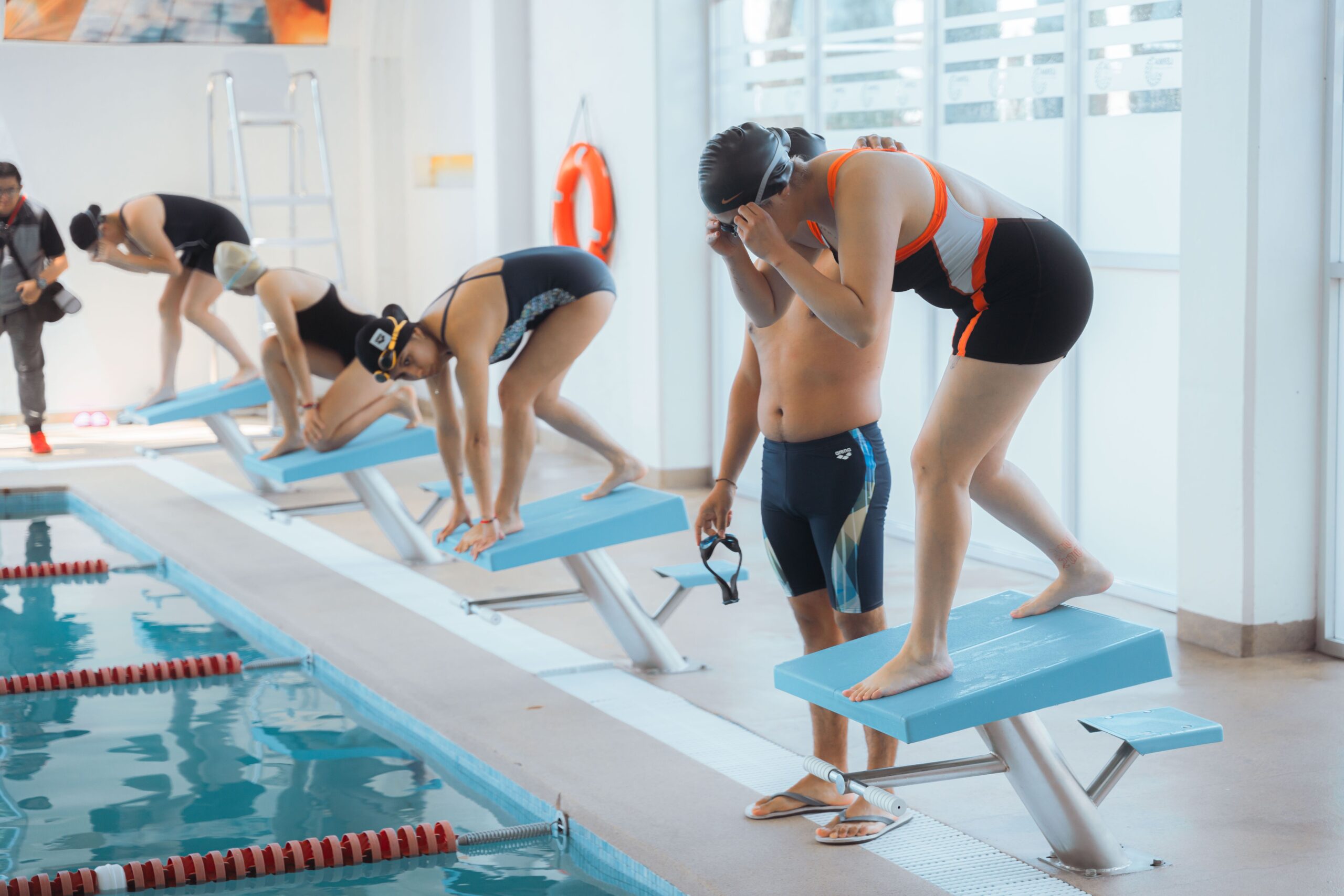
What Is an Indoor Competition Pool?
Inside buildings, competition pools serve serious swimming training, races, and timed meets. Not built for play like recreation spots, they follow tight rules on size, depth, water clarity, and lane setup. Year-round access means rain or cold outside makes no difference here. Safety rails, starting blocks, and even underwater lighting help athletes push limits without weather getting in the way.
Key Features of an Indoor Competition Pool
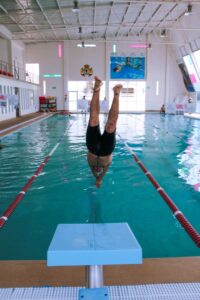
Inside competition pools are built a certain way on purpose. Standard sizes let races run equally each time around. Lanes show swimmers their paths using bold lines across the water surface. Starting platforms stand at one end where racers begin dives. Timing gear tracks results to tiny fractions of a second. People watch events from seats raised above deck level. Filters keep water clean without stopping meetings mid-flow. Lights aim brightness exactly where needed below ceiling height.
Indoor Competition Pools vs Recreational Pools
Not built for racing, backyard-style pools serve up calm dips and laughs with kids. When speed matters, though, every inch of a regulation pool is shaped by strict rules; length, depth, and even wall thickness are counted precisely. Equipment like touchpads at each end track splits down to milliseconds, something you won’t spot where floats drift between splashes. Lane lines slice the surface into clean channels, keeping waves tamed during sprints. Water flow stays steady through hidden pumps, tuned far beyond what feeds fountains in splash zones.
Benefits of Indoor Competition Pools
Water stays steady inside competition pools no matter the season, making practice predictable. Training here helps swimmers grow stronger over time through routine exposure. Events find a reliable home when facilities include these specialized spaces. Usage spikes because more groups book time regularly throughout the year. Educational institutions gain an edge with on-site access for teams and classes. Clubs tap into consistent programming without weather interruptions. Community involvement rises as local members join structured swim initiatives. A fixed location supports long-term planning across different user types.
Indoor Competition Pool Dimensions and Standards
Standard Pool Length and Width
Fifty meters defines Olympic swimming pools, though some competition versions only cover 25. Often, they span 25 meters wide when set at that full Olympic scale. Precision counts; slight errors can alter results or hold up certification. Lengths like 25 or 50 meters shape how races unfold.
Lane Requirements for Competitive Swimming
Eight or maybe ten lanes fill most race pools, each one stretching two and a half meters across. Waves stay put because of those floating ropes dividing the water paths. Swimmers move more easily when boundaries keep chaos out. A good layout means fewer accidents and faster times too.
Water Depth Requirements
Two meters deep, that is what most modern race pools stick to as their shallowest point. Some top-level venues go even deeper, hitting three meters or beyond, just to calm the waves when athletes push hard through the water. Where divers launch off starting platforms matters too; strong entries need space below so splashes do not slow anyone down.
Temperature and Water Quality Standards
Water usually ends up near 25 to 28 degrees. That range feels like its resting place. While sometimes cooler, it often holds steady in that range instead. That range lets swimmers swim more easily; energy lasts longer. Crisp clarity happens when filters push hard while chemicals stay precise. Watching everything nonstop keeps things safe, keeps things clean.
International and National Competition Regulations
Floating lanes need set lengths because rule books say so. When pools follow the guidelines, they can run official races. Equipment checks happen to keep things equal. Timing gadgets must work right, or records won’t count. Safety steps protect swimmers during events. Officials inspect sites before meetings start. Fairness shows up when every part fits the plan. Rules exist not just to limit but to level.
Indoor Competition Pool Design Considerations

Pool Layout and Space Planning
Starting strong means mapping out lanes, walkways, tech spots, changing areas, and seats early on. More room here runs things smoother while giving swimmers and guests better comfort throughout. Space shapes how well everything works. Every part links clearly when laid right. Room to move lifts everyone’s time there.
Spectator Seating Requirements
Over there, where athletes race through water, rows of seats line the edges so everyone sees every lap without being blocked. Depending on whether it hosts a local meet or something bigger like state-level heats, the number of chairs changes shape and size across buildings.
Starting Blocks and Racing Equipment
From the edge of the pool, swimmers push off solid platforms called starting blocks. These days, many feature footrests you can move into position – helping athletes drive forward stronger. On top of blocks, races also use small bars at wall ends for backstrokers to grip before moving. Ropes stretched across lanes keep waves under control during sprints. Hidden sensors sometimes watch for early movement, flagging anyone who jumps too soon.
Timing Systems and Scoreboards
Timing electronics deliver precise outcomes in races. At the pool’s edge, touch-sensitive pads capture finish moments down to the millisecond. Overhead displays show live updates, rankings, and race data for swimmers and onlookers alike.
Accessibility and Safety Features
Starting at the entrance, smooth ramps welcome everyone instead of steps. Pool lifts wait near the water, ready to help swimmers move safely in and out. Locker areas are built wide, giving space for movement without tight corners. Exits marked clearly guide people out fast when needed. Rescue tools stay nearby, always within reach if something goes wrong. Safety blends into design so nobody feels left out or stuck.
Indoor Competition Pool Construction Process
Choosing and Getting Ready for a Location
Starting strong usually follows a spot that allows expansion and has dependable soil while connecting easily to utilities like water, electricity, and sewage. Afterward, crews remove debris and even out the terrain before putting down foundational elements. The initial move tends to shift based on the starting point and available area, which weighs heavily, yet so does subsurface makeup.
Structural Design Requirements
Water pushes hard against the walls, so the frame has to hold everything steady. Deck spaces, seats, and the basin itself all rely on strong underlying support. Built tough, it resists weather wear plus constant daily use. System components inside tie into the framework without weakening key zones. Long life means planning every piece to endure stress over time.
Pool Materials and Finishes
Outlasting many alternatives, concrete stands firm as a go-to choice for building pools. Instead of limiting design options, it opens doors – tile, plaster, or custom finishes add flair while cutting down long-term upkeep.
Ventilation and Humidity Control Systems
Moisture builds up fast inside pool areas. Because of this, modern airflow units kick in, sucking out dampness, shielding walls and ceilings, and cleaning what people breathe, while making swimmers and onlookers feel steady and calm.
Lighting Requirements for Indoor Competition Pools
Light spills evenly when fixtures are chosen well, making it easier to see every corner of the water. Where athletes race, bright LED setups usually take over, sipping less power while flooding the space without dark patches.
Indoor Competition Pool Equipment and Technology
Filtration and Water Treatment Systems
Purity stays high because these units keep pulling out impurities nonstop. Because of better cleaning, swimmers face fewer risks while visibility in the pool gets sharper. Cleanliness throughout the space takes a noticeable step up as a result.
Heating Systems
Water stays warm all year because of pool heaters. Thanks to smarter tech, less energy is needed without sacrificing how it feels to swim.
Lane Markers and Competition Equipment
Lanes divided by ropes help swimmers stay in their path. Starting platforms sit at the pool’s edge for clean entries into the water. Lights along the walls signal when turns are allowed during events. Above the surface, markers stretch across the width to warn backstrokers of the wall ahead.
Automated Monitoring Systems
Fresh setups today rely on smart tools that track water quality, heat levels, air moisture, plus machine function. Faster progress means tasks flow better, yet repairs happen less often.
Energy-Efficient Technologies
Slower pumps sip less power. Pulling waste heat away cuts bills at the same time. Brighter spaces come from modern lights that sip electricity instead of gulping it. When machines turn off by themselves, bills shrink without anyone lifting a finger. Smarter settings adjust behind the scenes so nothing runs longer than needed.
Indoor Competition Pool Maintenance Guide
Daily Maintenance Tasks
Every so often, someone looks over the gear while water quality gets a close eye at the same time. Surfaces are wiped down just before attention shifts to life jackets and alarms to see if they are still working right. Checks happen one after another without rushing through them. Gear must respond when tested; nothing is skipped during these visits.
Water Testing and Chemical Balance
Most folks skip steps, yet clear water depends on steady care. Chemicals must match just right – too much or too little causes trouble. Gear holds up better when levels stay stable day after day. Catching shifts at the start keeps minor hiccups from snowballing. Routine inspections? They tend to cut down on sudden headaches later.
Cleaning Procedures
Now and then, brushing helps stop algae before it sticks, while debris gets cleared along the way. Now and then, a person shows up to wipe down spots close to water areas, showers, and benches; keeping things sleek takes that repeated effort. Without those visits, slick surfaces start slipping fast.
Preventive Maintenance Best Practices
Catching little problems early cuts future expenses. What shows up today might cost less tomorrow if handled now. Running smoothly comes from care taken often. Surprises shrink when things get looked at before they break. Machines push further when checked regularly. Steady work lives where maintenance shows up on schedule.
Common Maintenance Challenges
When humidity jumps around, operations start to wobble. Chemicals sometimes refuse to behave when conditions shift. Machines wear down, though closer watching helps them last. Power costs rise unless someone keeps an eye on usage patterns. A stitch today keeps bigger rips away later. Small fixes at the start cut chaos much later on. Today’s care sets how well everything runs later.
Indoor Competition Pool Costs and Budget Planning
Construction Costs
Spending on builds shifts a lot when you change the pool’s scale, where it sits, how it’s shaped, or what gear goes in. Big setups made for serious races usually mean deeper pockets.
Equipment Costs
Water treatment tech, plus starting blocks, takes up much of the budget. Scoreboards alongside timing systems also add cost. Filtration gear comes into play, too; each piece matters.
Operating Expenses
Running things each day means paying for power, workers, supplies like chlorine, coverage plans, and office work.
Maintenance Costs
Fixing things, swapping out old gear, or keeping up routine checks fit into future spending plans. A year might pass before a roof needs work, yet it still belongs in the forecast. Some years demand more cash just because pipes fail. Budgets grow clearer when unseen costs show up early. What seems minor now can shape next season’s numbers. Planning means counting on surprises.
Factors That Affect Overall Costs
Out here, where a building goes can change how much it takes to make. Paying workers shifts what you spend, depending on the place. Bigger spaces usually mean more money moves through the process. When plans get tricky, prices often climb without warning. Saving power might cost up front but alter long-term numbers. Rules set by authorities quietly shape budgets behind the scenes.
Indoor Competition Pool Safety Requirements
Lifeguard and Staff Requirements
When things go wrong at water sites, skilled lifeguards often make the difference. Their presence keeps risks under control through constant watchfulness. Staff prepared by real practice step in fast when trouble strikes. Quick decisions come naturally after repeated drills. Alertness matters just as much as speed during crises. What matters shows up when survival’s at stake.
Emergency Response Planning
First up, lay out each step clearly for dealing with medical emergencies on location. After that comes the sequence showing how everyone leaves without risk once the sirens go off. When machines stop working without warning, there is a plan already in place. Storms or extreme conditions trigger their own response pattern, too.
Water Safety Regulations
Folks stay safer when rules are followed around pools. Running things right keeps everything working smoothly.
Risk Management Best Practices
Checking things often helps lower dangers at work. Workers who learn what to do stay safer every day. Machines that run well cause fewer problems on-site. Rules everyone understands make tough situations less likely.
Real-World Applications of Indoor Competition Pools
Schools and Universities
Pools show up in schools when kids move, train, or race in water. Some students jump in for gym class; others join squads that time laps. Water spaces become part of daily exercise or serious practice. Some schools skip them entirely. Where present, though, water play follows rules. Routine shapes the chaos.
Community Recreation Centers
Folks head to local hubs for swim classes, while workout patterns unfold in those same spaces too. Local contests find a home there too, thanks to shared spaces that bring people together through movement and practice.
Professional Training Facilities
Top performers train at dedicated hubs where cutting-edge tools meet real-world conditions. From recovery rooms to precision tracking gear, every detail supports peak output. High-tech sensors monitor movement down to millimeters. These spaces mimic actual event environments closely. Pressure chambers help bodies adapt faster. Coaches use live data streams during drills. Some locations sit at altitude deliberately. Access remains limited to verified professionals only.
Sports Complexes and Aquatic Centers
Floating through morning light, pools big enough for races also fit swim lessons by noon. Though designed for elite meets, they welcome school teams when finals wrap up.
Olympic and Championship Venues
Fine venues matter when big global happenings unfold – spaces built to shine under pressure, keep everyone secure, yet feel alive for those watching. A stage like that does more than host – it holds breath, moves crowds, runs tight without showing strain.
How to Choose the Right Indoor Competition Pool Design
Defining Your Goals and Requirements
What a space is meant to do shapes how it takes form. Starting right here steers each choice that follows.
Evaluating Available Space
How big a site is decides how large the pool can be, what kind of seating fits there, whether extra services will work, and whether growing later makes sense.
Selecting Equipment and Features
Equipment that fits well helps the site run smoothly while staying on par with industry demands. A good match in tools means tasks get done without hiccups. Right picks keep performance steady under pressure. Matching tech to needs avoids delays down the line. Tools aligned properly support daily goals plus long-term stability.
Working With Pool Design Professionals
Fresh ideas shape every project when skilled designers team up with water specialists. Building smart spaces becomes easier through shared knowledge and clear goals. Experts guide each detail so results meet standards without waste.
FAQs
How Deep Should an Indoor Competition Pool Be?
Deep enough for serious swimmers, most contest pools hit about 2 meters down. Top spots go further, sometimes past 3 meters deep.
What Is the Standard Size of an Indoor Competition Pool?
Fifty meters—that’s often what you’ll see in top-level events, while lower tiers stick to twenty-five. Length shifts based on how serious the race gets.
How Much Does an Indoor Competition Pool Cost?
Out here, costs shift when the job grows wider. Location tugs the numbers one way or another. The plan’s twists play a part too. Equipment choices weigh in just as much.
Main Maintenance Needs?
Checking water quality comes first, then scrubbing surfaces follows close behind. Equipment gets looked at regularly because problems show up fast when ignored. Humidity stays under control since too much moisture causes trouble nobody wants.
How Long Does Construction Take?
A single indoor competition pool might take half a year, sometimes longer. How long it goes depends on how big the plans are and what kind of challenges come up along the way.
Conclusion
Most serious swim centers sit indoors, built to last through years of daily use. A well-built pool keeps serving athletes long after it opens. Whether for school teams or world records, these spaces matter deeply to swimming. Good planning at the start shapes how well they work later. Every lap swum adds up, from first-timers to seasoned racers. Decades pass, yet their role stays steady in towns and elite circuits alike.