
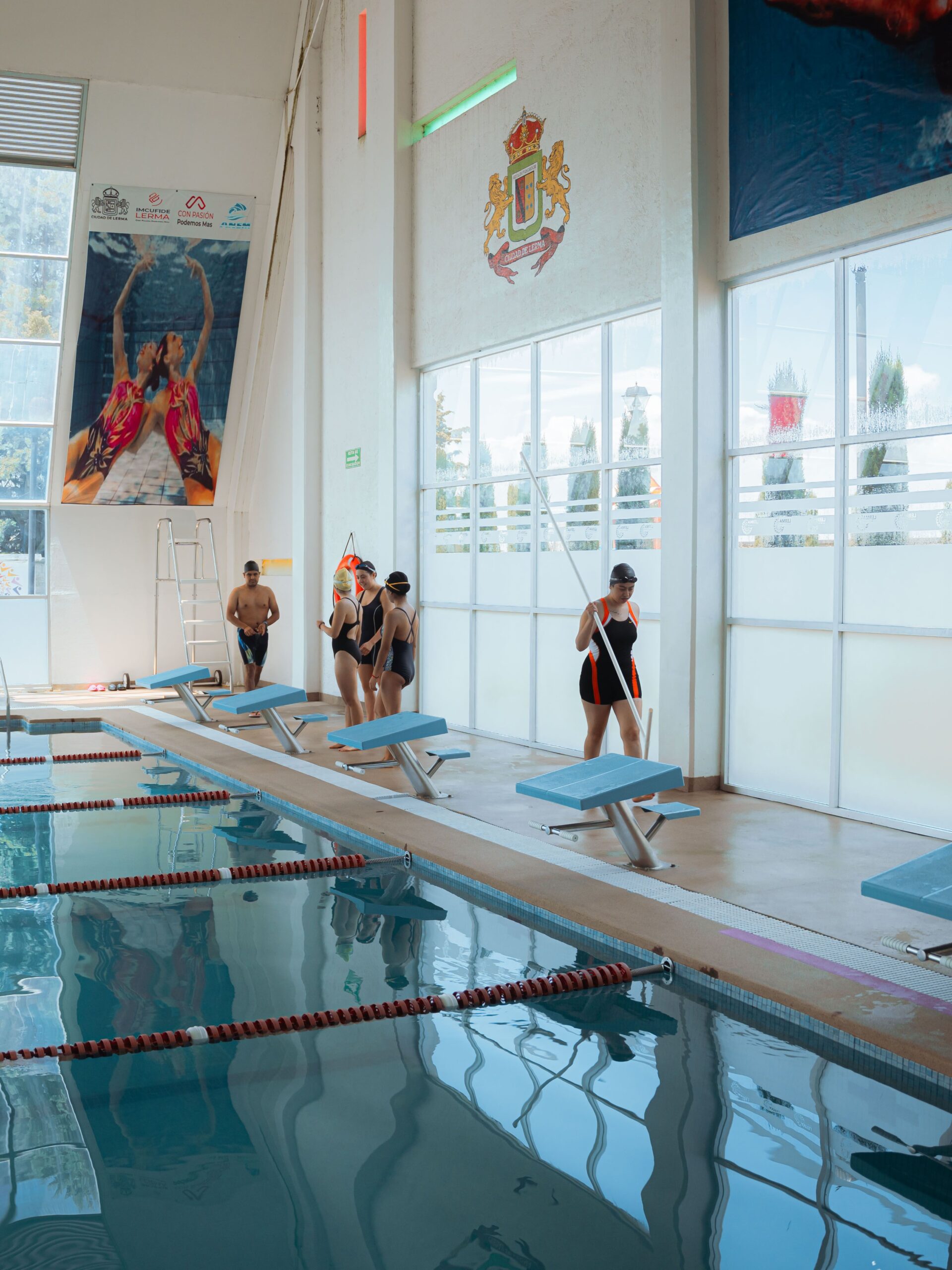
What Is an Indoor Water Facility?
A space built for water play sits under a roof, so people swim even when rain falls outside. Some hold just one pool for local swimmers; others stretch wide with lanes, slides, healing baths, plus rooms where bodies move against resistance. Inside these walls, water stays ready no matter what clouds bring.
Water spaces inside buildings let people swim, train, heal, learn, or play no matter the season because conditions stay steady, clean, and user-friendly. Indoor pools work reliably when the weather shifts outside. These areas adapt easily to different needs. Comfort matters just as much as function here. Year-round access opens options beyond outdoor limits.
Key Features of an Indoor Water Facility
Most indoor water facilities include:
- Swimming pools of varying sizes and depths
- Climate-controlled indoor environments
- Water filtration and treatment systems
- Pool heating systems
- Safety and rescue equipment
- Locker rooms and changing areas
- Ventilation and humidity control systems
- Accessibility features for users of all abilities
Types of Indoor Water Facilities
Indoor water facilities come in several forms:
Recreational Aquatic Centers
- Family-friendly pools
- Water slides
- Splash pads
- Leisure swimming areas
Competitive Swimming Facilities
- Olympic-sized pools
- Timing systems
- Spectator seating
- Training lanes
Therapy and Rehabilitation Pools
- Warm-water pools
- Hydrotherapy equipment
- Accessibility features
Educational Facilities
- School and university pools
- Swim instruction areas
- Athletic training spaces
Commercial Facilities
- Hotel pools
- Resort aquatic centers
- Private club facilities
How Indoor Water Facilities Work
Most of the time, clean water indoors depends on constant movement through purifying gear. Filters trap dirt; chemicals handle invisible stuff, keeping each drop ready for use again. Temperature stays steady thanks to heaters working behind the scenes. Air flow shifts quietly overhead, pulling out dampness and refreshing what people breathe. A smooth loop runs beneath it all: hidden pumps, silent sensors, all making swimming feel natural inside.
Benefits of an Indoor Water Facility
Water play spaces inside buildings bring solid benefits to towns, groups, and business owners. Though quiet at dawn, they stay busy through each season, offering steady value without needing open skies or sunshine nearby.
Year-Round Access
Inside pools keep going even when the sky turns sour. Rain or shine, they host swim classes without pause. Training stays on track through the winter months. Recreation finds space within four walls. Competitions happen just the same every month. Here, seasons drift by without effect.
Safer and more comfortable
Indoor environments protect swimmers from:
- Extreme temperatures
- Rain and storms
- Excessive sun exposure
- UV-related health risks
Comfort grows when settings stay predictable. A steady environment lets people relax more easily.
Health and Fitness Benefits
Swimming and aquatic exercise offer:
- Low-impact cardiovascular workouts
- Improved muscle strength
- Enhanced flexibility
- Joint-friendly rehabilitation opportunities
- Stress reduction and mental wellness benefits
Community and Recreational Value
Indoor water facilities often become community gathering places that support:
- Youth development programs
- Family recreation
- Competitive sports
- Senior wellness initiatives
- Social engagement activities
Indoor Water Facility Design and Planning
A well-run facility starts when plans are thought through and then shaped carefully. Planning comes first, followed by smart layout choices that fit how work happens.
Choosing the Right Location
Important considerations include:
- Accessibility for users
- Available utilities and infrastructure
- Parking capacity
- Population demand
- Future expansion opportunities
A spot picked today must fit what happens tomorrow, yet still serve those who live nearby. Not every choice does both – this one has to.
Space and Layout Requirements
Facility layouts should prioritize:
- Efficient traffic flow
- Pool visibility
- Safety monitoring
- Accessibility compliance
- Spectator accommodations
- Equipment and storage areas
A well-organized layout makes things easier to navigate while also smoothing daily tasks. Where things fit just right, movement stays simple while work flows easier out of sight.
Ventilation and Humidity Control
Mist builds up fast where swimming happens inside. Effective HVAC systems are essential to:
- Prevent condensation
- Protect building materials
- Improve air quality
- Reduce mold growth
- Maintain user comfort
Machines work best when the moisture in the air stays near ideal numbers. Most systems keep that balance without extra help.
Lighting and Energy Efficiency
Modern facilities increasingly incorporate:
- LED lighting systems
- Natural daylight integration
- Motion sensors
- Energy-efficient controls
- Smart building management systems
Lower expenses come through clearer oversight, yet comfort stays high. Machines run more easily when systems show what they do. People feel better when controls make sense.
Essential Equipment for an Indoor Water Facility
Water Filtration Systems
Filtration systems clear out impurities while keeping water looking clean. Typical choices involve:
- Sand filters
- Cartridge filters
- Diatomaceous earth filters
- Advanced membrane filtration systems
Clean water depends on good filters working right. A well-functioning system keeps harmful stuff out of what you drink.
Heating Systems
Pool heating options include:
- Gas heaters
- Electric heaters
- Heat pumps
- Solar-assisted systems
Whatever fits best comes down to how big the place is, what the weather’s like, plus what kind of power targets they’re aiming for.
Pool Safety Equipment
Essential safety equipment includes:
- Lifeguard stations
- Rescue tubes
- Automated external defibrillators (AEDs)
- Emergency communication systems
- Safety signage
- First-aid stations
Water Quality Monitoring Tools
Monitoring equipment may include:
- pH testing devices
- Chlorine analyzers
- ORP monitors
- Automated chemical controllers
- Digital water management systems
Water quality stays steady thanks to these devices. Tools like these keep things running without shifts in purity.
Indoor Water Facility Construction Process
Planning and Permits
Out of the gate, building work usually kicks off with;
- Feasibility studies
- Budget development
- Architectural design
- Engineering reviews
- Regulatory approvals
- Permit acquisition
Starting well ahead cuts down wait times and also keeps spending under control.
Construction Stages
Typical construction phases include:
- Site preparation
- Foundation work
- Structural construction
- Pool installation
- Mechanical and electrical systems
- Interior finishing
- Equipment installation
- Testing and commissioning
Common Challenges and Solutions
Common challenges include:
Humidity Management
- Solution: Advanced HVAC systems
Energy Costs
- Solution: Energy-efficient equipment and automation
Construction Delays
- Solution: Detailed project management and contingency planning
Water Quality Issues
- Solution: Automated monitoring and maintenance programs
Keeping Indoor Water Facilities Running Well
Machines last longer when cared for, simply put. Safety improves; routine checks make sure of that. Efficiency stays high because things run without hiccups most of the time. Neglect leads elsewhere, clearly.
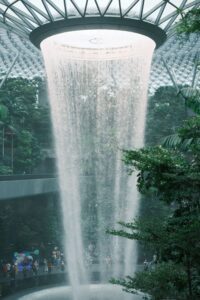
Daily Maintenance Tasks
Daily responsibilities may include:
- Water testing
- Surface cleaning
- Equipment inspections
- Debris removal
- Safety checks
- Record keeping
Water Testing and Treatment
Routine testing should monitor:
- pH levels
- Disinfectant concentrations
- Alkalinity
- Calcium hardness
- Water clarity
Corrective treatment should be performed whenever readings fall outside acceptable ranges.
Cleaning Procedures
Effective cleaning practices include:
- Pool vacuuming
- Tile cleaning
- Deck sanitation
- Locker room maintenance
- Filter cleaning
- Ventilation system inspections
Preventive Maintenance Tips
Preventive maintenance strategies include:
- Scheduled equipment servicing
- Routine inspections
- Replacement of worn components
- Calibration of monitoring devices
- Staff training programs
Maintenance done early cuts later bills. Preventing problems saves money down the road. Fixing things before they break helps avoid big expenses. Staying ahead of wear keeps costs low over time.
Indoor Water Facility Costs
Pricing shifts a lot depending on how big it is, what it includes, or where it sits.
Construction Costs
Construction expenses may include:
- Land acquisition
- Design and engineering
- Building construction
- Pool installation
- Mechanical systems
- Equipment purchases
- Regulatory compliance
Large commercial aquatic centers often require substantial capital investment.
Operating Expenses
Ongoing costs commonly include:
- Utilities
- Chemicals
- Staffing
- Maintenance
- Insurance
- Equipment replacement
- Administrative expenses
Lower Ongoing Expenses
Cost-saving strategies include:
- Energy-efficient HVAC systems
- Heat recovery technology
- LED lighting
- Automated chemical controls
- Water conservation systems
- Preventive maintenance programs
Real-World Applications of Indoor Water Facilities
Public Recreation Centers
Municipal aquatic centers provide:
- Swim lessons
- Recreational swimming
- Community programs
- Fitness classes
Schools and Universities
Educational institutions use aquatic facilities for:
- Physical education
- Athletic training
- Competitive swimming
- Research and rehabilitation
Hotels and Resorts
Hospitality facilities offer:
- Guest recreation
- Wellness programs
- Luxury amenities
- Family entertainment
Rehabilitation and Therapy Centers
Therapy pools support:
- Injury recovery
- Physical therapy
- Mobility improvement
- Pain management
Competitive Swimming Facilities
Professional facilities support:
- Elite athlete training
- Swim meets
- Diving competitions
- Water polo programs
Indoor Water Facility Safety Standards
Watching pools closely matters, since safety shapes how smoothly a water area runs. A person must stay alert, given that risks hide just below calm surfaces.
Health and Safety Regulations
Facing rules set by nearby authorities means checking every detail against city standards first. Meeting countrywide requirements often depends on how regional laws shape daily operations. Following legal steps correctly usually comes down to knowing which guidelines apply where. Staying within boundaries might involve reviewing policies that shift across borders;
- Water quality
- Building safety
- Accessibility
- Emergency preparedness
- Occupational safety
Checking things often keeps standards met.
Emergency Response Planning
Emergency plans should address:
- Medical incidents
- Water rescues
- Equipment failures
- Severe weather events
- Facility evacuations
Regular drills improve preparedness.
Staff Training Requirements
Staff training should include:
- Lifeguarding certification
- CPR and first aid
- Emergency response procedures
- Chemical handling
- Facility operations
Folks who know their job well tend to prevent more accidents. Safety gets better when experience is on-site.
Future Trends in Indoor Water Facility Design
Smart Facility Management
Advanced technology is transforming aquatic operations through:
- Remote monitoring
- Predictive maintenance
- Automated controls
- Real-time analytics
Work moves more quickly in these systems, so costs drop along the way. A faster pace means more output without extra effort trailing behind.
Sustainable Water Systems
Growing sustainability initiatives include:
- Water recycling technologies
- Rainwater harvesting
- Reduced chemical consumption
- Efficient filtration systems
Energy-Efficient Technologies
Emerging technologies include:
- High-efficiency heat pumps
- Solar-assisted heating
- Smart HVAC controls
- Energy recovery systems
Fresh ideas help both nature and budgets breathe easier. Money saved often means less waste burned.
FAQs
How Much Does an Indoor Water Facility Cost?
Construction prices swing a lot based on layout detail, dimensions, where it is built, and extras included. A modest setup might need six-figure funding just to get running. Big water hubs, though, often go way past that, hitting multi-million-dollar totals before opening day.
What Maintenance Does an Indoor Water Facility Require?
Water needs to be checked every day. Chemical levels get adjusted often. Cleaning happens on a regular schedule. Equipment receives close attention during inspections. Filters require care at set intervals. The HVAC system gets serviced routinely. Checking things for safety happens during regular maintenance.
Indoor Water Facility Construction Time?
A structure’s construction time links directly to its type. What goes up defines the timeline, nothing more. A compact facility might wrap up in under half a year. Bigger water complexes? Those tend to stretch out anywhere from twelve months to close to thirty-six, counting all phases, start to finish.
Conclusion
Water spaces inside buildings let people swim, learn, heal, or train whenever they need, no matter the season. Whether it is a local pool, a school setup, a place for physical recovery, or high-level sports training, each serves different needs throughout the year. These spots welcome everyone, offering steady conditions protected from the weather outdoors.
Water areas indoors work best when plans are clear, designs make sense, gear runs well, and upkeep happens regularly, yet safety remains a top focus. Because tech moves forward, along with green thinking, today’s pools operate smarter, leave lighter footprints, and still feel welcoming, all while shifting quietly into what comes next.