
What Is the Average Indoor Pool Project Cost?
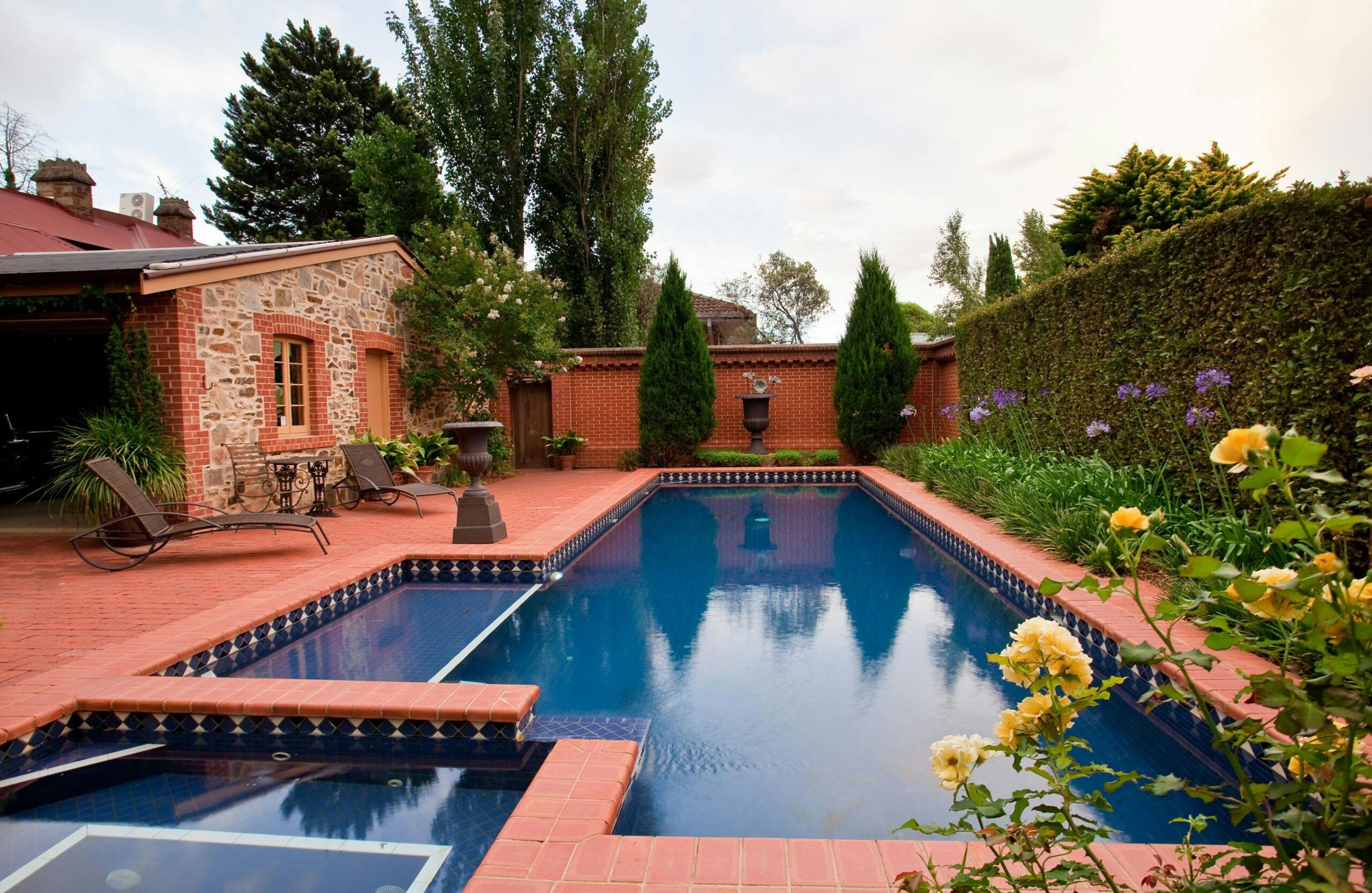
A swimming area inside the home tends to cost more than nearly any other addition someone might make to their house. Because it sits indoors, this kind of pool needs its own building space along with unique airflow setups, moisture regulation tech, heat sources, and extra build efforts. Most people don’t see the total cost until the end, when all pieces come together.
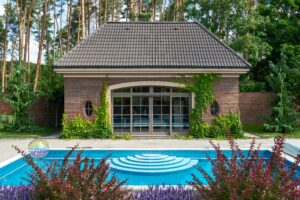
Inside home pools in 2026? Price tags often land between $100,000 and $300,000. Smaller versions could start around $75,000 if they’re simple builds. Budget depends on size, mostly. On the higher end, fancy builds with special details often go past half a million dollars. Size plays a role, sure, yet what it’s made of matters just as much. Where you live shifts the cost too, since local workers charge different amounts. Moisture control is another big piece in keeping walls and air safe and adds layers. Each choice stacks, shaping how high the number climbs by the finish line.
Indoor Pool Cost Range in 2026
Even now, building something takes more money because supplies cost more, fewer workers are around, and rules have tightened. Come 2026, most people planning a home will likely face these ballpark figures.
- Basic indoor pool: $75,000–$150,000
- Mid-range indoor pool: $150,000–$300,000
- Luxury indoor pool: $300,000–$500,000+
Out back, labor for excavation usually kicks things off. Then comes the skeleton of wood or metal holding walls in place. Concrete pours follow, shaping what becomes the basin itself. Equipment like filters and pumps gets tucked around edges later. A roofed structure overhead often wraps up the job. Choose rare finishes, think glass tiles or custom curves, and costs climb fast. Unique touches always add more digits to the total.
Cost Per Square Foot for an Indoor Pool
Most builders figure prices by the size of the space. Typically, putting in an indoor pool runs from $200 to $500 per square foot once you add the room build-out. Though some details shift numbers slightly.
For example:
- Small pool room: $80,000–$150,000
- Medium pool room: $150,000–$300,000
- Large luxury pool room: $300,000–$600,000+
Money set aside typically covers the building that holds everything inside. The shell grabs most of the budget each time. Often it’s the frame taking up the largest share. What gets built around matters more than expected. Spending leans heavily on walls, roof, and supports; those parts first.
Residential vs. Commercial Indoor Pool Costs
Most backyard pools focus on comfort; their appearance matters just as much. A pleasant vibe often guides how they’re designed. Looks play a big role, yet ease of use slips in too. Style shows up in tiles, while warmth comes through lighting choices. Pretty shapes catch eyes, but staying inviting keeps people around longer.
Typical costs include:
- Residential indoor pool: $100,000–$300,000
- Hotel or community pool: $300,000–$1 million+
- Competition or training facility: $1 million–$10 million+
Big jobs need bigger filters, extra safeguards built in, and one rule that follows another without pause. Each place has its own rules; one must keep up, never falling behind.
Factors That Affect Indoor Pool Project Cost
Pools built indoors never share identical price tags. What shapes the total? Materials, size, and location each nudge the number differently. Spotting these details upfront smooths out what could become a bumpy financial path down the road.
Pool Size and Depth
What you’re building changes everything. “Bigger” means digging wider, pouring heavier slabs, running longer pipes, hooking up bigger filters, and filling with more chemical doses. A small dip-style basin often comes in at a much lower price compared to a long swim channel, just due to thinner supplies and shorter work hours. How far down it goes plays a role, too. Digging deeper asks for extra earth removal and tougher walls, which pushes material needs higher, along with time spent onsite.
Pool Materials and Finishes
Pools built with certain materials cost more at first but might save money later. How much upkeep they need ties directly to what they are made of.
Common options include:
- Vinyl liner pools: Lowest initial cost
- Fiberglass pools: Moderate cost with lower maintenance
- Concrete pools: Highest customization but most expensive
Tile finishes might raise costs fast. Aggregate steps in with a heavier price tag than expected. Natural stone creeps up on budgets without warning. Glass mosaics bring brightness but also extra spending.
Pool Shape and Design Features
Laid out like a box, these pools usually cost less than others.
Costs rise when homeowners choose:
- Freeform shapes
- Infinity edges
- Custom curves
- Integrated spas
- Waterfalls
- Swim-up features
Building something unique means more time spent on design, which pushes costs up. Workers need extra skills when putting together unusual parts, so wages go higher. Special materials cost more because they are harder to find. Making things different from standard models adds expense at every step.
Location and Site Preparation
Weather damage raises expenses before work even begins. Dirt patches slow down material delivery. Uneven ground means extra labor hours. Hidden pipes underground add surprise fees. Sun exposure affects material choices. Wind strength changes safety plans. Tree roots interfere with foundations. Rain levels dictate drainage design. Soil type influences support structure needs. Previous use of land brings cleanup tasks.
Challenges that increase expenses include:
- Rocky soil
- Poor drainage
- Sloped terrain
- Limited equipment access
- Existing structures that require removal
Out in the countryside, wages and paperwork fees usually run lower than in city spots. Town centers tend to spend more just to keep things moving where people crowd in. Where folks cluster, expenses climb, simple as that.
Labor and Contractor Costs
Out west, labor costs can be sky-high compared to rural areas. When it comes to building indoor pools, specialists tend to ask higher fees because these jobs demand know-how in framing, climate control, sealing surfaces, and managing dampness. Paying more up front for seasoned workers might sting at first; still, errors down the road usually cost far more.
Indoor Pool Construction Costs Breakdown
Figuring out the spending breakdown lets homeowners shape a practical budget. Where cash lands matters when planning household finances.
Excavation and Foundation Costs
Most digging jobs run from five thousand to twenty-five thousand dollars, with dirt type and pool dimensions shaping the price. When placing a pool within a current building, extra support tasks might come into play.
Pool Shell Installation Costs
The pool shell forms the structural body of the pool.
Typical costs include:
- Fiberglass shell: $20,000–$60,000
- Concrete shell: $50,000–$150,000+
- Vinyl liner structure: $20,000–$50,000
Concrete remains the most expensive but offers maximum design flexibility.
Plumbing and Electrical Expenses
Modern pools require extensive plumbing and electrical systems.
These typically include:
- Water circulation lines
- Pumps
- Filtration systems
- Underwater lighting
- Automation controls
- Safety equipment
Working on pipes and wiring together usually runs from ten thousand to forty thousand dollars.
How Much Do Indoor Pool Enclosures Cost
The enclosure is often one of the largest expenses.
Costs vary significantly based on:
- New construction vs. renovation
- Building materials
- Window systems
- Roof design
- Insulation requirements
Spending on a private indoor swimming area can start at thirty grand. Sometimes it goes way past two hundred thousand dollars.
Indoor Pool Heating Affects Energy Bills
Pools inside a building need constant warmth, so cost matters right from the start.
Indoor Pool Heating Options
Popular heating systems include:
- Gas heaters
- Electric resistance heaters
- Heat pumps
- Solar-assisted systems
A heat pump usually wins when it comes to saving power over time.
Monthly Energy Costs
Monthly energy expenses generally range from $100 to $1,000+, depending on:
- Pool size
- Water temperature
- Local utility rates
- Climate conditions
- Usage frequency
Bigger pools cost more, especially when the water stays warm. Heat demands rise where size goes up.
Lower daily costs through smarter spending and resource use
Homeowners can lower operating costs by:
- Installing pool covers
- Using energy-efficient heat pumps
- Improving insulation
- Maintaining proper humidity levels
- Upgrading to smart controls
Over time, these upgrades tend to cover their own costs.
Indoor Pool Maintenance Costs
Starting with construction marks just one phase. Keeping things running means regular care; otherwise, water turns bad, plus machines wear out fast. What lies beneath clean surfaces takes effort; daily checks stop small issues from becoming big problems later down the line.
Water Treatment and Cleaning Costs
Regular maintenance includes:
- Chemicals
- Water testing
- Cleaning supplies
- Professional servicing
Homeowners usually pay somewhere in the range of five hundred to three thousand dollars every year.
Equipment Maintenance Expenses
Routine servicing may involve:
- Pump repairs
- Filter replacement
- Heater maintenance
- Dehumidifier servicing
Fifty bucks a year might cover it, though sometimes the bill hits five grand. Equipment care runs all over the map.
Yearly Indoor Pool Upkeep Cost
For most people who own a home with an indoor pool, yearly upkeep costs land somewhere between two thousand and ten thousand dollars.
Additional Features That Increase Indoor Pool Project Cost
Luxury upgrades can significantly increase the total investment.
Indoor Pool Lighting
A single custom LED setup might run you just under five hundred bucks, yet some reach into multiple thousands when things get intricate. Complexity drives price higher; simple designs stay near the lower end, while detailed builds climb fast. What you pay ties directly to how involved the system is, nothing more.
Waterfalls and Water Features
Decorative water features often add $5,000–$50,000+ to a project.
Spas and Hot Tubs
Spas built into homes often add between ten thousand and fifty thousand dollars, sometimes even higher amounts. What you pay depends on size, features, and how complex the installation gets.
Smart Pool Automation Systems
Homeowners can manage heat, lights, filters, and water balance from a distance thanks to automated systems. Usually, prices fall between two thousand and fifteen thousand dollars.
Indoor Pool Project Cost by Pool Type
Indoor Lap Pool Cost
Price usually lands somewhere from a hundred grand to three hundred thousand, shaped by how long it needs to be, plus what kind of cover is needed.
Indoor Plunge Pool Cost
Pricing for compact plunge pools tends to fall somewhere in the range of fifty thousand to one hundred and fifty thousand dollars.
Luxury Indoor Pool Cost
Spending on high-end builds typically climbs past three hundred thousand dollars, sometimes stretching into the millions. Though rare, figures can balloon well beyond that mark when materials or designs grow more intricate.
Heated Indoor Swimming Pool Cost
Built-in climate tech might bump expenses up anywhere from ten grand to fifty thousand bucks. Total price tags shift when high-end warmth solutions get folded into construction plans.
Hidden Costs of Building an Indoor Pool
Permit and Inspection Fees
Permission fees can run from a few hundred to thousands, shaped by rules nearby.
Insurance Costs
Pools inside the house can push up what you pay for home insurance. Costs rise because water brings new risks insurers watch closely.
Fixes and lasting improvements
Over time, pools go through updates, parts get swapped out, and surfaces are renewed. Change comes piece by piece, layer after layer, without rushing the process. Renewals happen when needed, not all at once but steadily along the way.
Planning Costs for an Indoor Pool Build
Planning Everyday Money
Start with construction expenses, then tack on permit charges. Include maintenance down the line, and connect utilities too. Toss in extra cash—just in case something pops up. Unexpected issues often pop up; setting aside 10 to 20 percent helps cover them without strain.
Financing Options for Indoor Pools
Popular options include:
- Home equity loans
- Personal loans
- Construction financing
- Cash payments
Compare interest rates carefully before borrowing.
Ways Homeowners Can Save Money
- Keep the design simple
- Choose efficient equipment
- Avoid unnecessary customizations
- Obtain multiple contractor bids
- Invest in quality materials upfront
Is an Indoor Pool Worth the Investment?
Some folks find it hinges on how they live, where they are, and what comes next down the road.
Benefits of an Indoor Pool
- Year-round swimming
- Weather protection
- Increased privacy
- Improved fitness opportunities
- Greater convenience
Impact on Property Value
A splash of water inside might lift a home’s worth where luxury lives, yet what it brings back shifts with the place plus who is buying it.
Long-Term Return on Investment
For many, how it fits into daily life matters more than money made later. Enjoying ease, free time activitiand comfortfort these tend to weigh more heavily than gains when selling.
Indoor Pool Project Cost: Real-World Examples
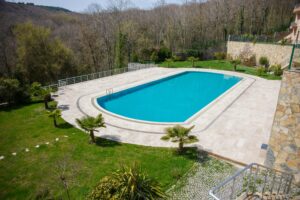
Small Indoor Pool Project
A small plunge pool tucked behind basic walls might run between ninety thousand and one hundred fifty thousand dollars.
Mid-Range Indoor Pool Project
A typical backyard oasis, built indoors for a household, might cost close to two hundred grand. Finishes matter; those choices push prices higher, sometimes near three times that amount.
Luxury Indoor Pool Project
Over fifty thousand dollars vanish fast if high-end materials pair with automated features; private pools pop up while bold architecture demands attention. A price tag climbs once sleek surfaces join hidden tech; backyard spas appear, yet beams twist in unusual shapes.
FAQs
Cost of Building an Indoor Pool?
Spending usually lands around $100,000 to $300,000 for most people who own homes. Design shapes it, sure, yet location plays a role too, along with what extras get added in later. Though some pay less, others go higher, simply because choices differ.
What Is the Most Expensive Part of an Indoor Pool Project?
Most of the budget usually goes toward the building frame, along with moisture controls. Costs pile up fast when putting together walls and climate features.
Indoor Pool Maintenance Costs?
Most years, maintenance costs, along with daily operation, add up to somewhere between $200 and $10,000. Each situation changes what you actually pay.
Can an Indoor Pool Increase Home Value?
True—though how much it matters depends on where you are. In some places, folks looking for high-end homes really want a pool inside the house.
Conclusion
Building a pool inside your home means dealing with design, airflow systems, and upkeep, yet it brings lasting personal rewards. Though some setups cost less than one hundred thousand dollars, others climb past half a million, depending on choices made early. Careful preparation shapes outcome material selection, which matters just as much as future spending plans do. Comfort, daily use, and long-run worth emerge when details are thought through before work begins. Each decision ripples forward, affecting how smoothly things run once water starts flowing.