

What Is an Energy-Efficient Pool?
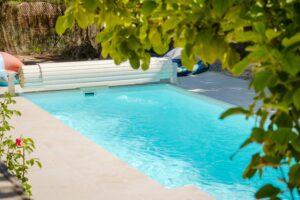
A fresh spin on backyard pools swaps clunky old gear for quiet tech that sips resources. Not stuck with thirsty single-speed motors, these setups glide along with pumps that adjust their pace as needed. Not far off, light settles in quietly through LEDs that last years, glowing steadily rather than flashing hard then dying fast. A different kind of ease shows up when warmth learns your days; thermostats adjust slowly, not by force but by watching. A soft movement of fresh water flows without rush, cleaned carefully but never overdone, guided by exact currents. Quiet gains come from when things happen, how they stay warm, along with quiet signals passing between hidden parts.
Just aim to save money while still getting strong results. When a swimming pool uses less power, it cuts down what you pay each month. This kind of setup tends to stress machines less, so they last longer. Over months and years, that choice adds up to fewer breakdowns and a smaller footprint. Less strain shows up everywhere, even where people might not notice first. Surprising how much power old-style pools gobble up, especially when pumps hum nonstop. Water heaters keep churning through watts just to maintain warmth. Homeowners now notice those spikes on electric bills. Because of this, smarter designs pop up during backyard upgrades. Builders tweak systems so less juice gets wasted. Older setups now prefer gadgets using little juice instead of draining it fast. Saving power feels less like a fad, more like common sense.
Energy-Efficient Pool Operation Explained
A well-designed pool cuts waste by fine-tuning each component’s workload. Rather than keeping gear running nonstop at maximum output, smarter setups match energy use to real-time demand. When filtering water under regular conditions, a multi-speed pump slows down, which slashes electric draw compared to older fixed-rate models. Clever control tech times scrubbing routines to coincide with cheaper grid rates. Heat lingers longer; moisture stays put, thanks to snug-fitting surface shields. Warmth comes easier now through smarter gear. Instead of old burners, solar units move heat into water using far less juice. Filters keep the flow steady while asking little power in return. Lights made with diodes sipped watts, where others gulped them whole. Together, they cut waste without cutting comfort, quiet teamwork beneath the surface.
Benefits of an Energy-Efficient Pool
Most people notice right away that a high-efficiency pool cuts down on expenses. Running pumps, heaters, and lights smarter slashes power draw so bills shrink over time. Equipment lasts years longer when it does not run nonstop. Less stress on parts means fewer repairs show up out of nowhere. Replacing big components becomes rare rather than routine. Most people notice how quiet modern pool setups can be.
Take variable-speed pumps, which run far below the noise level of older models, turning backyard spaces into calmer spots. When less energy is used, the air stays cleaner. A steady stream of water, along with a snug lid, slows how fast it disappears. Some like how automated controls take care of cleaning schedules without constant attention. Over time, a pool that uses less energy might boost what your home is worth. People hunting for houses now pay attention to bills piling up, so they like systems saving power. Green perks catch eyes too, making such upgrades quietly valuable.
Common Causes of Pool Energy Waste
Some pools use way too much power, while people just aren’t aware. Outdated gear often plays a big role here. Pumps that only run at one speed tend to guzzle electricity since they never slow down, despite needing less force most of the time. Losing warmth through evaporation also drains efficiency fast. Water escapes warmth fast when it turns to vapor, particularly after sunset or on gusty days. Because of that, heaters put in more effort if there is no lid trapping heat in.
Worse upkeep means wasted power, too. When grime builds up in filters, water moves more slowly, so pumps must push harder. Drips, blocked pipes, or wrong chemical levels each chip away at performance. Too large machinery brings a quieter kind of trouble. Out in the backyard, some pools run machines way too strong for what they need. Though powerful gear looks impressive at first glance, it burns more power while doing no extra work. Equipment sized too large ends up costing more over time, even if it promises strength. Just as crucial is poor timing. Pumps spinning beyond the needed time push electricity costs up quickly because heating units never pause their work.
Simple Guide to Pool Energy Use
Faster electricity costs climb the longer pumps operate because heaters never pause once started. Since these systems run every day, sometimes all year, a tiny waste becomes big over months. In places where electric rates climb steadily, smart energy choices start to matter deeply. People spending on better equipment tend to get that money back slowly via smaller monthly payments.

Water waste often goes hand in hand with high energy use in older pool designs. Still, cutting down on both is possible without losing comfort. A different approach runs quietly behind the scenes, technology adjusts itself, and fewer chores pile up. Performance climbs when gear works smarter, not harder. Less drain on resources shows up clearly over time, month after month.
How Pools Consume Energy
Water movement keeps pools running, powered mostly by pumps that push liquid through filters every day. Running nonstop makes these machines eat up electricity fast. Older models gulp down thousands of watts without slowing. Instead of just pumping, keeping things warm takes a heavy toll, too. When cold weather hits, heating gear kicks in hard. Whether gas-fired, electric, or pulling warmth from air, each type pulls serious juice to hold steady temps. Lights add load, sure, but nowhere near what heaters demand when winter bites. Bright lights add to power bills, especially when old-style bulbs light up pools. Water changing into steam lets heat float away. Keeping things warm takes effort if vapor carries off the heat.
Average Pool Energy Costs
Pools cost different amounts to run based on how big they are, where they’re located, what gear runs them, and also how often they’re used. Most people pay several hundred bucks a year just to power and warm their water, sometimes way more. The old-style pumps that run at one speed tend to eat up the most juice. When winter hits, keeping water hot gets pricier, especially if there’s no cover or the heater isn’t any good. Running lights, filters, and cleanup gear pile up costs each year. When upkeep slips, machines strain, making bills climb higher. A smart setup saves money, thanks to sleeker tech, sharper timing, and less waste of warmth.
Energy Efficient Pools Help the Environment
Less power used by a pool means less demand on the electricity network. Power draw drops when efficiency goes up. Fewer kilowatts are pulled alongside smarter operation. As usage falls, so does what flows from the grid. Fewer kilowatts mean fewer fumes spewed at power plants. That shift helps owners tread more lightly on the planet. Water stays put when a cover seals the surface. Instead of vanishing into the air, it remains where it belongs. Filters that work smarter, not harder, cut down how often they need rinsing.
Less rinsing means less spillage seeping out through cracks or drains. Sunlight warms homes cleanly, swapping out dirty fuels for a gentler footprint on nature. Brighter but using less power, LEDs stretch their life far beyond old-style bulbs, cutting clutter in landfills.
Best Energy Efficient Pool Equipment
Start smart; good gear sets the pace for a pool that uses less juice. Today’s tech runs strong but drinks little power or water. Think speed-adjustable pumps, heat savers, lights that sip energy, filters that catch more with less effort, plus brains behind the scenes calling the shots. They team up, cutting waste at every turn. True, buying in costs more at first.
Energy Efficient Pool Pumps
Water moves through filters because of pool pumps. These machines rank high in importance for keeping pools functional. Running slower when possible, they draw much less power while still doing their job well. Full-throttle operation stays behind when shifting to models built for smarter performance. Less energy needed means electric bills shrink over time without effort. Noise drops noticeably, and pipes and joints experience fewer stress spikes day after day.
Variable-Speed Pool Pumps Explained
Most folks see variable-speed pumps as top-tier when it comes to saving energy in pools. Because they’ve got smarter motors, these units shift gears based on what the job needs right then. Take fast settings; they suit tasks like powering waterfalls or scrubbing filters, whereas slow ones manage everyday flow. Efficiency jumps when motors run longer at reduced rates, slashing power demand across hours. Speed shifts match needs without waste.
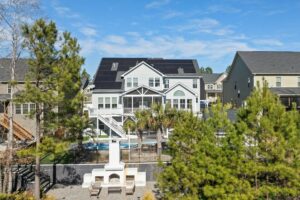
Pumps with adjustable speeds tend to help homeowners when they include ready-made settings. Since adjustments happen on their own, everyday tasks flow more easily without needing attention. Performance improves as schedules match real usage across hours. Instant reactions in certain units make transitions feel seamless.
Energy-Efficient Pool Heaters
Most heaters keep pool water warm, yet poor picks might spike power bills fast. Some types drain cash faster than others. Efficient ones maintain comfort without guzzling energy. Instead of creating heat, they pull it from nearby air. That method beats standard electric versions hands down. These units think for themselves, tweaking how they run. Waste drops when smart controls step in early.
Solar Pool Heating Systems
Water creeps through flat panels, warmed bit by bit beneath clear covers. Sunlight handles most of the heating when solar systems run pools. Back into the water it goes when warm, prepared once more for people. Costs hardly rise each month because sunlight fuels everything directly. Even if setting them up takes more money at first, years pass, and less gets spent overall. Places that see many bright days make the best match for this kind of setup. Less need remains for fuel-burning or plug-in heaters when SunPower handles most tasks.
LED Pool Lighting Options
Light shines more clearly through LEDs, although they pull far less energy than traditional bulbs. Years pass before replacements are needed, since their lifespan stretches much further. Maintenance costs drop off quietly, thanks to how steadily they perform. Some setups shift colors, responding to apps or timers for a tailored glow. Efficiency jumps fast when swapping in LED tech; no big changes are needed.
Energy Saving Pool Filters
Water flows more easily through a smooth filter. That way, the machine does not need to work hard. Less resistance means steady movement inside. When filtration is efficient, pressure demands drop naturally. Since cartridge types slow the flow less, they tend to use less electricity over time due to fewer cleaning cycles. When gunk builds up, everything has to work harder just to keep going. A clear path through the filter cuts down stress on the system, helping it run more smoothly than before. Even great parts fail quietly if dirt piles up, making clean upkeep non-negotiable for steady performance.
Smart Technology for an Energy-Efficient Pool
Pool tech makes it easier to manage power by running things on schedule. From your phone or tablet, you set when pumps turn on, heaters kick in, lights go bright, or cleaners move around. When things turn on just at the right time, life gets simpler. What happens next is machines spotting hiccups early, long before bills rise. With settings that adapt quietly in the background, steady performance sticks around; no need to tweak each day.
Smart Pool Automation Systems
From a single hub, pool parts link together automatically. Schedules for cleaning kick in when needed, without waiting. Temperature shifts happen on their own, just like that. Lights change based on time, not touch. Equipment checks itself and sends updates far away. Control spreads beyond the backyard, reaching phones or tablets.
When things run on their own, they tend to waste less power since settings respond to real conditions instead of human estimates. Reports showing how much energy gets used pop up in lots of automated setups, giving owners clear hints about where cutting back might work even better.
Pool Timers and Energy Monitoring
Most days, machines run longer than they should. Timers fix that by shutting things off on schedule. Pumps stay active just enough, not a minute more. Watching power use becomes easier with tracking gadgets. These show exactly where the juice goes. Owners start seeing patterns in what guzzles watts. Some parts work too hard without reason. Tweaks happen once those spots stand out. Efficiency climbs when changes follow clear data.

Using Smart Sensors for Pool Efficiency
Water temps, chemical levels, and gear status get watched nonstop through smart sensors. Because they track changes fast, systems adjust without delay. When it’s warm enough, heaters stay off thanks to live feedback from heat detectors. Filters run only when needed, guided by real-time water checks. Fewer guesses lead to smaller electricity costs and less surprise maintenance. Power use becomes clearer, so repairs pop up less often.
Energy-efficient pool design ideas
Starting right at the blueprint, saving energy ties closely to how a pool takes form. Its outline, dimensions, and surface textures, along with where it sits on the property, quietly steer future power demands. Well-considered decisions here cut down heat requirements, boost flow through waterways, and lessen moisture loss long before construction finishes.
Pool Size and Shape Considerations
Bigger pools need extra power to keep running. A size that matches how you really use it cuts down expenses over time. Water flows better in straightforward forms, which means fewer spots for gunk to gather. Smaller layouts bring equal fun but sip less energy in the long run.
Best Materials for Energy Efficiency
Water stays warmer when the pool uses specific materials. Down below, sunlight soaks into blackened areas, warming the fluid bit by bit. Along the sides, material traps heat much like cloth holds body warmth. Over the years, strong components that hold heat make the system run more easily.
Pool Covers That Reduce Heat Loss
Wrapped up tight, a pool lets less heat slip away. Since warmth stays trapped inside, heating takes less power. Water vanishes more slowly when evaporation drops. Fewer gallons disappear day by day. Sunlight feeds solar versions, loading them with extra warmth by afternoon. Fewer refills mean less chlorine gets used too.
Landscape Ideas That Help Pools Work Better
When trees block windy gusts, pools tend to sit more still. Because shrubs and hedges cut wind speed, evaporation drops off noticeably. Nearby ground stays cooler under broad leaves that spread wide overhead. When sunlight hits fewer spots, the space stays more comfortable without extra effort. Barriers made of plants trap leaves and dust before they land in the water. Over months, thoughtful greenery choices mean fewer chores to handle. What grows around the edge shapes how often you need to clean.
How to Maintain an Energy-Efficient Pool
Most top gear slows down when upkeep slips. Cleaning now, then keeping chemicals steady and checking machines, these keep things running smoothly. Quick fixes today mean fewer headaches later, yet unseen energy leaks still pile up over time.
Cleaning Tips for Better Efficiency
Now and then, give the skimmers a deep clean, only after that, deal with what’s clogging up the filters. Pumps should get a careful look at the same time. Check each part slowly, one after another. Before leaves and gunk sink deep, pull them off the top of the water. Less junk floating around means machines run smoother without working too hard. When the pool stays tidy, everything moves better, and water flows more freely through pipes.
Reducing Water Evaporation
Vapor forms, so warmth slips away quickly. A cover on the pool traps warmth even on still days. Less open surface means less moisture running off into the air. Cool the water just a bit, yet stay comfy while saving resources. Shutting down evaporation works quietly but adds up over time.
Pool Maintenance Schedule
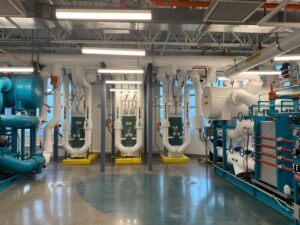
Most machines run better when cared for the same way every time. Look them over each week and wipe filters once a month. While swapping seasons brings its own checkups, these stop little hiccups from turning into big bills. Faults seen fast cut repair bills down. Early catches shrink high costs ahead.
Preventing Energy Loss
Fixing leaks fast helps stop wasted energy, while good insulation plays a key role too. Over time, small drips or blocked parts raise running expenses more than expected. Equipment set just right makes a difference, even if changes seem tiny at first.
FAQs
What is an energy-efficient pool?
A well-built pool uses less power when it has clever gadgets inside. Some gear holds heat longer, so warming needs drop off. Pumps that work smarter pull water without waste. Automation steps in quietly, adjusting things before extra costs start. Equipment choices shape how much is spent each month.
Do energy-efficient pool pumps really save money?
Exactly. When demand drops, these units scale back – unlike clunkier versions from before. Month by month, the steady thrift shows up in lower costs. Comfort stays, spending shrinks.
Are solar pool heaters worth it?
Most folks see savings over time when they go with solar pool heaters, particularly where sunshine sticks around most days. Because these systems tap into sunlight rather than power lines or fuel lines, monthly bills tend to shrink.
Does a pool cover help save energy?
True enough. A cover on the water slows down cooling and cuts how much moisture escapes, then saves energy since warmth stays put. Heat sticks around because the barrier holds it back.
Are LED pool lights more energy efficient?
True. While older bulbs drain power quickly, LEDs sip it slowly. Their lifespan stretches way beyond what you get with standard options.
What causes the most energy loss in a pool?
Water evaporating from the surface carries heat away, which drains a lot of pool warmth over time, most noticeably when there’s no cover in place.
Do energy-efficient pools increase home value?
Some people looking to buy see eco-friendly pools as worth extra money since lower running fees come with less upkeep over time.
Conclusion
Running a pool without wasting power goes beyond cutting monthly costs. Smooth running, long life, and a lighter footprint, those are the goals. Electricity used in SIPS by pumps helps cut waste. Sunlight pulls warmth into the building without burning fuel. Smart controls shift themselves when conditions change. Only energy that’s truly required gets used. Each part connects, works with the others, and keeps things balanced. Spending more at first might seem heavy, yet years of fewer repairs, steady operation, and lighter resource use tip the balance for many who swim regularly.
Efficiency grows quietly through choices made early. Pools can be smart picks when they sip power instead of gulping it. Think cool dips minus the shock on your bill each month. Choosing clever gear helps stretch every watt further. Tweak how you do things; small shifts add up quite a lot. Design matters more than most guess, shaping what happens down the line. Good habits at setup save work later. Efficiency sticks around when thought goes deep into details. Long life meets low cost when pieces fit just right.