
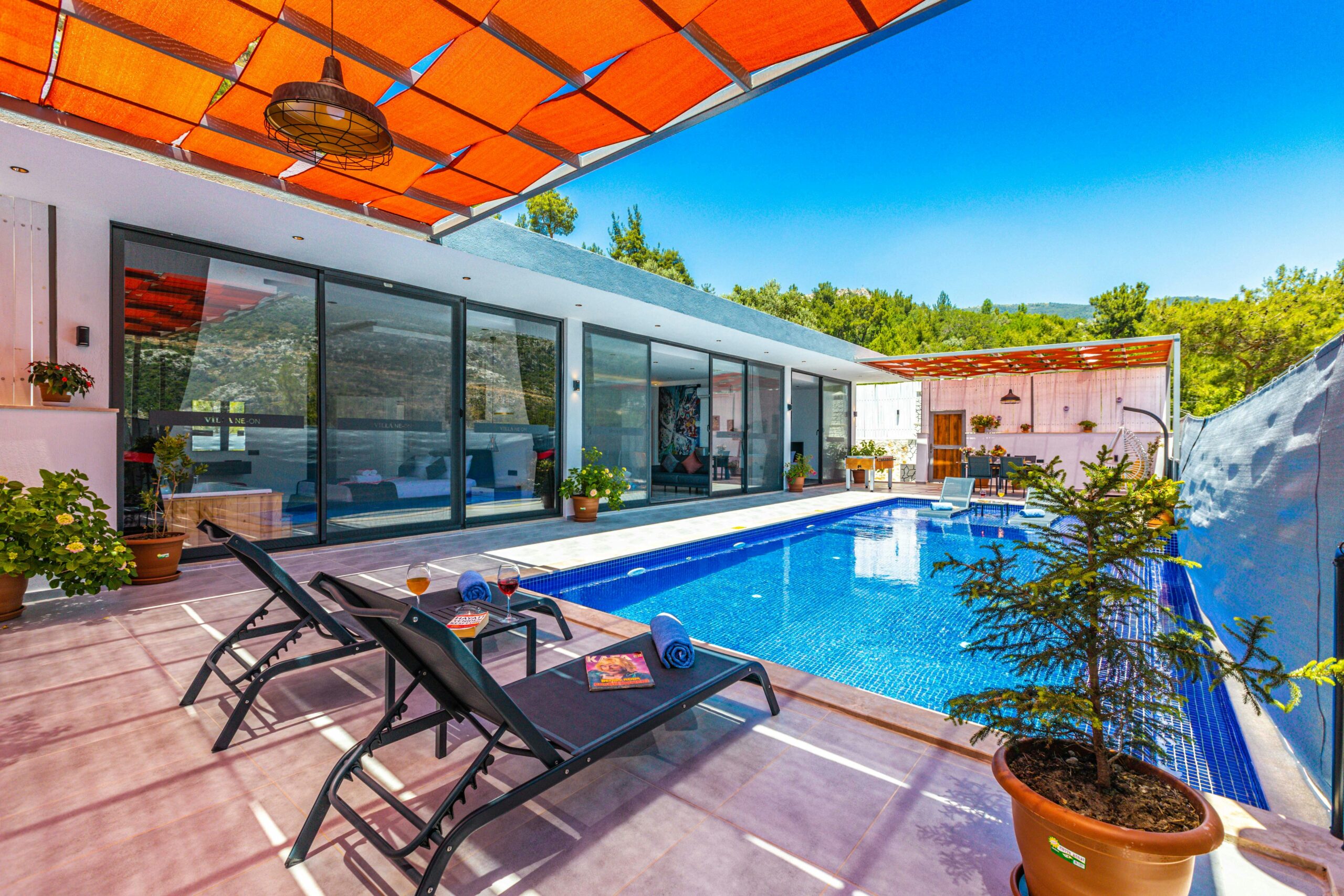
What Is Indoor Pool Window Design?

Windows around an indoor pool aren’t just holes in walls with glass. They shape how bright the room feels, manage wet air, and influence who can see in or out. Each choice of size, placement, and material affects more than appearance. Sunlight shifts throughout the day, hitting surfaces differently in the morning versus late afternoon. Inside stays warm while outdoors pulls colder, stretching window seals thin. Materials decay more slowly because dampness sticks around longer than elsewhere. Some angles block wind better when doors are open. Others let the swimmers feel connected to gardens or sky without stepping outside. Glass thickness might reduce noise from rain or nearby areas. Condensation builds where warmth meets cold panes, so spacing matters. Views change depending on eye level while floating or standing.
Sealing methods prevent slow leaks into surrounding walls. When sunlight fills a room, fewer lights must stay on. Because moisture never stops working, the materials chosen at first matter most. Sunlight softens shadows without switches being flipped. Wet conditions test durability over weeks and months. Light from windows covers the floors naturally. Picks made early shape how well things last later. So here’s the thing: windows must work as well as they look. That gorgeous expanse of glass? It might catch eyes at first sight, yet poor choices in framing or positioning often bring damp, chilly spots, or even rot down the line. Open sightlines stretch beyond wide panes where sky meets water indoors. Yet some spaces favor misty glass blocking outside eyes completely. Hidden tech hums behind thick coatings, regulating air flow season after season. Light floods in but stays controlled through careful pane choices. Brightness defines the room even when the weather turns harsh outdoors. Tough materials blend into calm scenes of glass and reflection.
Why Window Design Matters in Indoor Pool Spaces
Sunlight sneaks through the glass, changing how we see the water below. Most folks overlook what panes do beyond letting air move. Yet here, each opening shapes temperature, mood, and even comfort. Bright rooms feel larger, less like boxes trapped underground. Without daylight, walls seem closer, and moisture lingers too long. Design choices ripple outward, quiet but powerful. A well-placed window pulls the sky inside and softens edges. Fewer shadows mean fewer cold corners where damp collects. People choose large glazing not just to view gardens outside. They want warmth without switches or machines running. Light shifts across tiles during hours, marking time gently.
Glass becomes part of climate control, whether noticed or not. Enclosed swimmers depend on clarity above and around them. Darkness amplifies echo; brightness absorbs sound differently. Fresh sightlines help lungs breathe easier, literally and figuratively. Openings link interior rhythm to weather’s daily pattern. The humidity resists when the sun cuts horizontal paths at dawn. Even small high windows lift spirits without trying hard. Seeing clouds pass distracts from feeling boxed in completely. Daylight reduces reliance on artificial sources, quietly saving energy. Opening wide lets light flood in; suddenly, the room seems tidier, stretched out, and quieter. When the sun hits water nearby, it bounces softly, adding a peaceful glow most lamps can’t match.

Moisture sneaks out from indoor pools all day long. Glass spots start long. Ping when the air just sits there too long. Window choices play a big role in how well that wetness escapes. Left unchecked, dampness gnaws at frames and walls, nearby parts slowly giving way. What happens next? Surfaces weaken, peel, and crack, quietly falling apart. Windows shaped well let air move right and stopped dampness from growing. Another thing matters just as much: staying unseen. Some pools inside homes act like quiet health zones, making them a place where you put your keys. Glass type? That counts too. People living there usually wish for the sun indoors, but do not wish their pool to be seen by others close by.
Power use sneaks up when you least expect it. Indoor pools, always humming with heat and airflow, sip energy like thirsty machines.
When windows are made poorly, heat slips out fast, and bills climb along with it. Good window insulation keeps room temperatures steady, which means less energy is wasted. Windows often steal the spotlight inside a pool space. Their form, dimensions, and framing type; each detail shapes how the room feels. Glass selection ties it together, quietly defining the look.
Common Challenges With Indoor Pool Windows
Windows inside pool areas face problems that most house windows never deal with. Dampness causes the main trouble here. Steam rises off warm water, filling the room with wet air. That damp breath settles on chilly panes, turning into droplets. Cold glass meets moist heat; fog appears.
Mold might grow when moisture sticks around too much. Water damage often follows if dampness stays unchecked. Surfaces start peeling or warping over time from wet air. Poor indoor air quality shows up later because of trapped humidity.
Structural weakness sneaks in slowly with constant condensation;
- water stains on glass
- old growth around frames
- peeling paint
- wood rot
- corrosion of metal components
- reduced indoor air quality
When temperatures shift, problems often follow. Big panes of glass tend to leak warmth in winter, particularly when built with cheap components. That chill inside near the pool isn’t just annoying; it pushes energy bills higher. Openness feels great until eyes wander in from outside. Sweeping windows bring in sky and sunlight beautifully, yet poor positioning might leave swimmers on full display without meaning to.
Sunlight streaming in might lead to rooms feeling stuffy at times. Though natural light brings appeal, excessive rays passing through big panes tend to raise indoor temperatures when the weather turns hot. Cleaning becomes a task some overlook. Glass near indoor pools needs frequent attention since moist air causes minerals to build up and smears to appear across surfaces. Handling these issues is possible only if plans account for them early on.
Benefits of Well-Planned Pool Windows
Light spills in where glass meets the wall, changing how the room feels. Because sunlight reaches deep into the space, the air seems clearer, the walls farther apart. Instead of shadows lurking in corners, brightness stretches across water and tile. Mood shifts quietly when windows are placed just right, eyes lift, and shoulders relax. Design shapes experience without calling attention to itself. Windows showing greenery or distant hills bring softness into spaces where people swim beneath ceilings. A garden seen through glass makes the water feel quieter somehow. Light shifts across treetops outside while someone floats indoors. Mountains beyond the frame add stillness you sense more than hear.
Even a small yard viewed from below feels like part of the breath. Nature nearby turns routine movement into something slower. Windows built right save energy too. Glass that traps heat keeps rooms steady without wasting power. Place them where breezes flow and air swaps naturally. Moisture drops when fresh wind moves through. Less damp means fewer drips on panes. Openings thought through carefully boost what a home is worth. Inside pools dressed up with sleek glass plus smart window arrangements catch eyes today. What matters most? Design that finds the middle ground. Shut away enough to feel personal, yet open so light flows, never too hot, never fussy, and always clean in look.
Best Types of Windows for Indoor Pool Design
Window style picks shape how light moves through an indoor pool space. Because each type opens or frames views differently, the effects on air flow and the look shift noticeably. The size of the room matters when deciding what fits best visually and functionally. Outside scenery plays a role in which option feels natural beside the structure. Weather patterns influence materials and opening mechanisms over time. Home design overall guides whether a frame should stand out or blend quietly.
Floor-to-Ceiling Windows
Far above, planes rise straight from the common floor where luxury swimming halls shine. Through the panes, the landscape blurs into space, giving a sense of airiness and reach. Openness holds steady near these broad window faces. Most noticeable? Daylight spills across every surface. Sun gleams softly on ripples, wrapping walls in a calm glow that lingers from dawn to dusk.
Big windows let in more scenery from outside. When a house sits near trees, water, hills, or green spaces, wide panes make the surroundings part of daily life. Still, large openings can cause problems if not handled right. Without enough correct insulation, cold air sneaks in, and dampness builds up. Wrapped panes, maybe two or just one more stuck tight, trap heat without letting mist settle on top. Glass sandwiches hold warmth in but leave the outside clear.
Sliding Glass Doors
Glass walls slide aside, linking inside pools straight to backyards, porches, or sitting zones. Because they move easily, fresh air flows through when days are warm and muggy. Especially in hot regions, people enjoy stepping outside without crossing a barrier. These openings blend useful movement with clean lines that fit today’s homes. Out of the way they slide, freeing up floor area because doors don’t swing into the room. Perfect for tight pool spaces where every inch counts. Glass panels now come with sun-blocking layers plus solid locks, smarter protection without extra effort.
Skylight Windows
From up high, skylights pour daylight into indoor pool zones without needing windows. Above the room but part of it, these openings pull in sunshine while leaving wall views untouched by neighbors’ eyes. Dark spaces change mood when light spills across tiles and surfaces through rooftop glass. Water shimmers differently depending on the sun’s position; gentle morning ripples shift to bold afternoon reflections. Fresh air moves too if you pick models that open slightly. Up high, warm damp air drifts upward, so cracked skylights let lingering wetness escape. To work well over water, those overhead windows need glass that fights fog plus blocks harsh sun rays.
Frosted Glass Windows
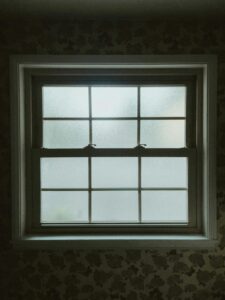
Sunlight still slips through when you choose frosted glass; privacy comes without darkness. From the street, eyes blurred instead of bedrooms or living spaces. Busy city blocks make these panes a quiet win for close-set houses. Whole panels offer full cover, though mixing in clear strips adds rhythm to the view. Today’s versions ripple, streak, or speckle under touch; each finish bends light differently. The room gains calmness when its glow feels soft, shaped by the texture on the glass.

Energy-Efficient Pool Windows
Windows that save energy matter a lot around indoor pools since these spaces need plenty of power just to keep the air warm and manage moisture levels.
Modern energy-efficient pool windows often include:
- double or triple glazing
- Low-E coatings
- insulated frames
- gas-filled glass panels
- thermal break technology
Windows like these keep rooms warm without losing heat or collecting moisture. Even if they demand a higher price at first, their savings on bills add up over time; comfort gets better, too.
Indoor Pool Window Design Ideas
Windows by indoor pools work best when they blend into the building’s shape, not stand out as an extra detail. Good setups balance how things look with everyday ease. Where some go for sleek contemporary edges and broad sheets of unbroken glass, others pick cozy organic textures along with divided window patterns to create a gentler mood.
Openings in walls shift the mood around a swimming pool. Slender glass panels rising high bring grace to the space. Broad horizontal panes stretch sightlines, making everything feel airy. Mixing different types tends to work well most times. Think full-height glazing joined by rooftop glass light moves differently as hours pass. Balance matters between brightness, airflow, seclusion, and how things look when put together.
FAQs
What Are the Best Windows for Indoor Pools?
Windows with two panes work well near indoor pools since moisture stays controlled, warmth escapes less, comfort goes up.
How Do You Stop Condensation on Pool Windows?
Mold hates fresh air, so let breezes move freely around window areas. Machines that pull water from the air help when skies turn damp outside. Glass with a buffer layer keeps inside warmth separate from cold surfaces. Moisture struggles to stick when temperature gaps shrink near panes.
Are Large Windows Safe for Indoor Pools?
Large pool windows can be safe if they are made of tempered or laminated glass instead. When built right, these panes hold up well under pressure, too. Glass meant for pools often resists cracks even when hit hard somehow. Safety depends on proper installation, along with strong materials, always. Using the wrong type of glass creates risks that grow over time.
How Much Do In-Pool Windows Cost?
Big or small, price shifts with shaped custom indoor pool panes often cost more than regular house glass. Window choice changes everything when water views matter.
Conclusion
A window by an indoor pool does way more than just look nice. Architecture meets ease of use when light flows where people swim. Bright spaces happen not by accident but through smart choices in design. Glass shapes mood, air movement, and even how warm a room feels. Linking inside with outside changes how bodies move and minds relax. Energy stays put where it should when frames seal tight without drafts. Luxury shows up quietly in clear views and steady temperatures. Seeing the sky while swimming lifts the everyday moments into something else entirely.
Windows stretch high, reaching from the ground to the ceiling, bringing light through open frames. Skylights pour brightness into rooms below. Frosted panes shield moments meant to stay unseen. Glazed units hold heat in and slow leaks out. Each choice shifts how a room feels years later. Light bends differently depending on what kind of glass fills the frame. Starting smart means fewer headaches later. Condensation, bad airflow, lost warmth, and damp troubles can fade when the setup works right. A space meant to calm eyes and nerves begins long before water fills the basin.