
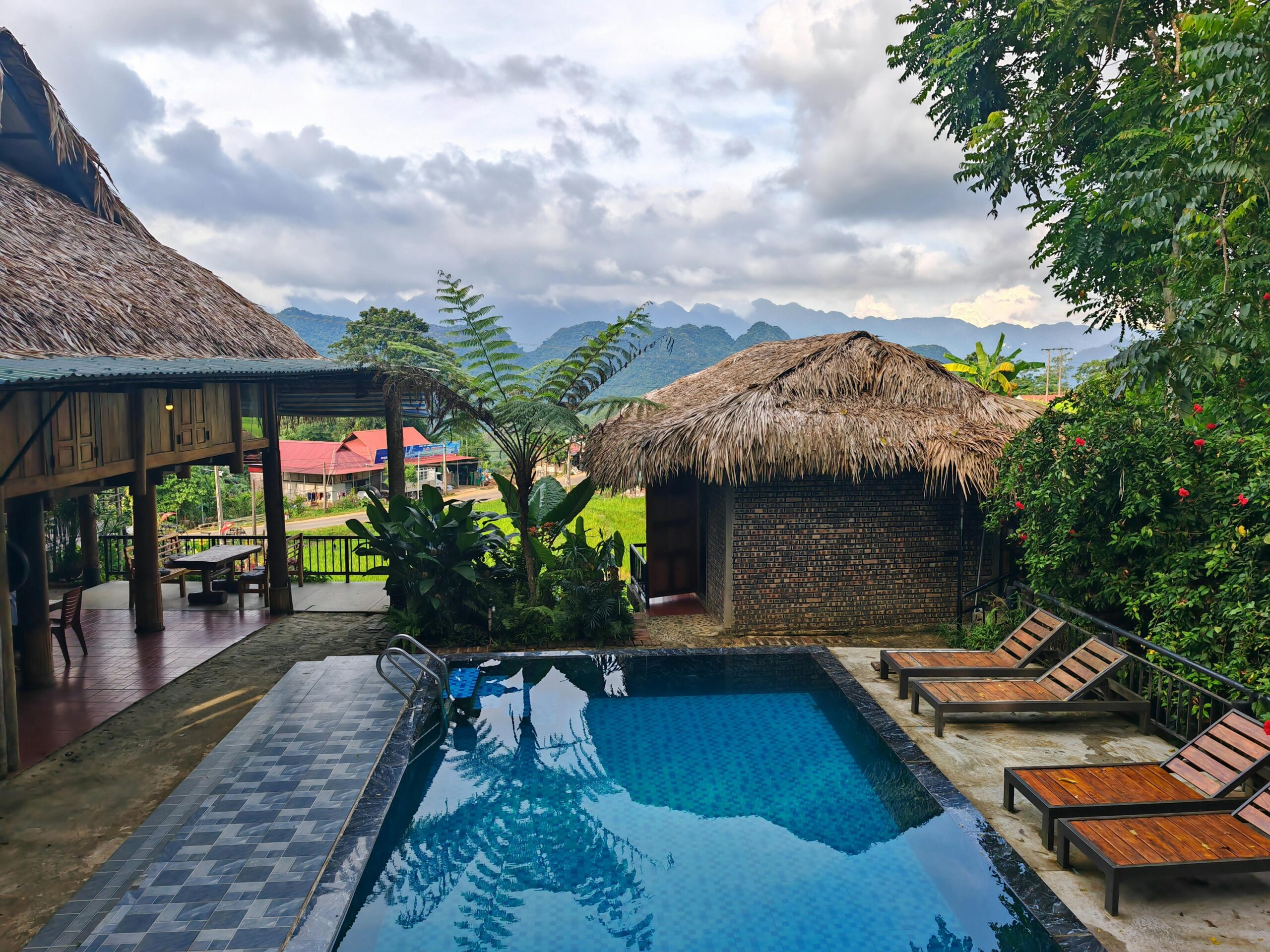
What Are Pool Enclosure Climate Control Systems?
Climate control systems are special-purpose designs that are used to regulate temperature, humidity, and air quality within a focusing swimming pool enclosure. Due to the evaporation in water, a pool enclosure turns out to become a distinct micro-climate that acts in a considerably dissimilar manner compared to any regular room. Uncontrolled warm water, humid air, and chemicals can also bring inconvenience to the swimmers and structural damage in the long term. All these factors are combined by a climate control system to create a safe, comfortable, and energy-saving environment.
Why Climate Control Matters in Enclosed Pool Spaces
An enclosed pool has to create a delicate balance: the area has to be warm and comfortable to the swimmers but dry to avoid condensation, odours, and discomfort. Indoor and enclosed pools, as opposed to the outside pools, trap moisture. Failing to control this, humidity will increase exponentially and give rise to a hazy atmosphere, unsafe floors, and the stifling odor of well-worn-out indoor pools that many individuals attribute to the indoor pool. A properly developed climate control system will ensure that the environment does not seem stale, the air does not possess a hazy appearance, and people can enjoy a nice time in the pool without experiencing any health or comfort problems.
Important Problems (Humidity, Condensation, Air Quality) that these Systems solve
The excessive humidity is the initial key problem. As the water evaporates, the air becomes saturated, and this triggers the condensation on the cold surfaces. The windows fog, the walls become wet, and eventually, the building materials, i.e., drywall, metal, and wood, begin to rot.
Condensation is not a minor inconvenience; it can drop down on the deck of the pool, making it slippery, or drop onto readily accessible structural components and lead to mold and corrosion.
Another important issue is air quality. Chloramine, which is formed due to the interactions of chlorine with the contaminants that are introduced by the swimmers, accumulates in stagnant or poorly ventilated air. These annoy the lungs, eyes, and skin and, hence, are not pleasurable to swim in.
How Climate Control Differs in Indoor vs. Outdoor Enclosures
Enclosures that are indoors work entirely through the use of mechanical systems, as there is no natural air flow. Adequate control of temperature, humidity, and specialised air movement is necessary.
Timely when the structure is open, outdoor or retractable enclosures may have fresh air as an advantage. But when they are closed, they are like indoor pools, except they are lighter-insulated and with a greater degree of temperature variation. It implies that climate control equipment should be adjustable to outdoor change conditions, particularly when it is colder. The indoor conditions are predictable, though they need to be under control all the time, whereas the outdoor enclosures need flexible systems that can adapt to changes in seasons.
How Pool Enclosure Climate Control Systems Work
The Heat, Moisture, and Air Movement
An enclosure of a pool is a closed bubble. The natural process of evaporation of warm water into the air increases humidity. The pool, sun, and HVAC system also heat the structure. These are spread by good air circulation, moisture is taken off, and there are no stagnant air pockets. The climate control system regulates the three factors of heat, moisture, and movement of air, hence they remain in balance.
The Role of Humidity Control in Pool Enclosures
The optimal humidity of a pool inside the house is 5060. The air is too dry, which enhances the evaporation of the water, raising the energy expenses. Besides this, the space is wet, cold, and subject to favouring moulds. The air is dried with gadgets such as dehumidifiers and air vent systems, which keep the enclosure cool and humid at all times.
Temperature and Comfort Requirements
To reduce the evaporation rate and ensure that the swimmers are comfortable, the temperature inside a pool enclosure should be maintained at a comparatively higher temperature than the temperature of the water, usually 2-4°F. The air is not overheated, and as a result of the properly adjusted system, it is not cold.
Dew Point Control and Condensation Prevention
Condensation is the process of warm and humid air coming in contact with a cold surface and attaining its dew point. When the windows, walls, or ceilings reach this temperature, moisture becomes visible immediately. This is prevented by climate control systems, which control the temperatures of air, air circulation over vast surfaces, and eliminate unnecessary humidity. Dew point should be managed properly; in this manner, the occurrence of condensation is minimized, and structural damage is prevented.
Essential Components of Pool Enclosure Climate Control Systems
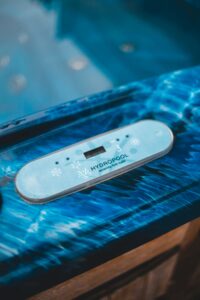
Dehumidifiers
The climate control is run by dehumidifiers. They extract the moisture in the air to maintain the humidity. In modern systems, the heat collected during the extraction of moisture is usually recycled and circulated back into the room water or pool water to maximize energy usage.
Ventilation and Fresh Air Systems
Fresh air is of importance in dissolving contaminants such as chloramines. Air is introduced to the buildings through ventilation systems, and the unclean air is eliminated. Heat recovery ventilators used in a lot of systems retrieve the heat present in the outgoing air and apply it to the incoming air, which saves energy.
HVAC Units and Heat Pumps
HVAC systems control the temperature and the general air circulation. The heat pumps are particularly efficient since they do not produce heat but transfer it, reducing the operation expenses. These systems maintain these enclosures to be warm enough to be comfortable and cool enough not to get overheated.
Air Circulation Fans and Ductwork
Conditioned air is evenly distributed through fans and ductwork that have been well-designed. They make sure that heated dry air is distributed in the areas that are vulnerable to condensation and avoid the formation of wet pockets. Good moving of air is needed to ensure good air quality and stable temperatures.
Insulation and Vapor Barriers
Insulation is used to keep the temperatures constant, and the moisture does not seep into the walls or other structural parts because of the vapor barriers. Combined, they keep the building free of mold, corrosion, and permanent damage from moisture.
Wireless Temperature Sensors and Automation of climate control.
The sensors are used to check the humidity, temperature, air quality, and even the CO2 content. This data is used by automation systems to modify HVAC, dehumidification equipment, and ventilation equipment in real-time. This maintains a constant,environwhilehiles reducing energy use.
Types of Pool Enclosure Climate Control Systems
Passive Ventilation Systems
Passive systems rely on natural ventilation. They resort to vents, openings, and the use of louvers to enable the exit of moist air. They are cheap but inaccurate and cannot work in cold or humid weather when it is not possible to have a natural airflow.
Mechanical Ventilation with Heat Recovery
These systems are dynamic in nature and circulate air in and out and reclaim heat in the exhaust air. They have a higher level of humidity control, as compared to passive systems, and minimize losses of energy.
Fully Integrated HVAC Climate Control Systems
They are a combination of heating, ventilation, air conditioning, and, in many cases, dehumidification. They are better in environmental control and are perfect in long-term and high-use enclosures.
High-Efficiency Dehumidification Systems
These systems are designed to perform fast and have high moisture removal and are very energy efficient, and are designed to serve large pools or heavily used pools. They can also possess heat reclaim capabilities, which recycle the captured heat to heat the air or the pool water.
Choosing the Ideal Climate Control System of a Pool Enclosure
Factors That Determine System Size and Type
The selection of the appropriate system varies depending on the size of the enclosure, the surface area of the pool, the water temperature, and the frequency of use of the pool. Larger pools or warmer water demand more strong dehumidification and air-handling apparatus.
Climate issues: Warm vs. cold climate
Cold weather would demand heating and insulation to prevent the occurrence of condensation on cold surfaces. Warm climate, on the other hand, would demand systems with the ability to contain high moisture content and a means of gleaning the heat accumulation during the hot seasons.
Pool Size, Bather Load, and Evaporation Rate
The humidity directly depends on the number of swimmers. Greater loads of bathers lead to more evaporation and contamination of the air. Sizing of systems should be done to correspond with anticipated use.
Materials and Energy Requirement Construction
Some of the materials are more predisposed to condensation or corrosion, big glass panels or metal framing. Operating costs in the long run are largely determined by energy issues, i.e., heat recovery, automation, and insulation.
Cost of Pool Enclosure Climate Control Systems
Installation Costs
The installation can be quite different based on the complexity of the system. Simple ventilation systems are cheaper than integrated HVAC systems, but the latter cost more in the short run and might not be as efficient in the long term.
Monthly Operating Costs
The greatest current expenditure is energy consumption. Systems have to heat air, circulate it, and dehumidify. Good insulation and high-efficiency equipment can also save on the monthly pay considerably.
Maintenance and Repair Expenses
Filters, coils, ducts, and sensors need to be serviced periodically. The timely check-ups ensure that systems are running efficiently and prevent later repair costs are kept off.
Energy Saving: Cost-Saving Ideas
The pool covers, maximization of water temperature, insulation, and installation of heat recovery systems are all useful in reducing the consumption of energy.
Real-World Applications of Pool Enclosure Climate Control Systems
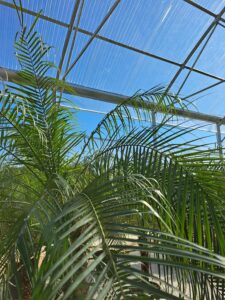
Residential Indoor and Attached Pool Enclosures
Comfort, silent workings, and energy saving are important to homeowners. Climate control systems keep the environment congenial without increasing the utility payment.
Commercial Pools and Aquatic Centers
Such facilities need powerful systems with great capacities that can be used a lot and must meet high air quality requirements.
Hotel, Resort, and Fitness Center Enclosures
Visitors want a cool room that does not smell. Climate control guarantees an excellent experience and prevents damage to the facility in connection with moisture.
Pool Enclosures in Cold or High-Humidity Regions
Harsh weather conditions subject systems to extra pressure. Chilled zones require good temperature regulation; damp climates demand high-powered dehumidification.
Common Climate Control Problems in Pool Enclosures
Overhumidity and Condensation
When the systems are undersized or are not maintained properly, the humidity increases, and condensation forms on cold surfaces, which is very uncomfortable and damaging.
Low Air Quality and Chloramine Accumulation
The exchange for fresh air, the poor exchange of fresh air results in the accumulation of chloramines, leading to odor and irritation.
The risks of Mold and structural damage
The moisture is always constant and encourages the development of moulds and corrosion rate, especially on metals.
Uneven Temperature Zones
The air circulation is uneven, which may result in the formation of colder and warmer regions, hence rendering the area unequiproportional and unlikable.
Maintenance Checklist for Pool Enclosure Climate Control Systems
Duct Cleaning and Air Filters
Clean filters and duct systems can be used to improve the efficiency and airflow to make the air good.
Calibration of the Humidity Sensor
Proper sensors make the system react properly to the changes in the environment.
HVAC and Dehumidifier Inspections
This is achieved through occasional checks that detect problems at an early stage and keep performance in check.
Seasonal Performance Tuning
Setting adjustments by the seasons can be used to conserve energy, and condensation can be avoided.
Future Trends in Pool Enclosure Climate Control Systems
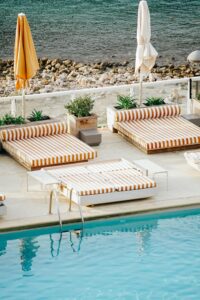
Smart Climate Automation and AI-Controlled HVAC
AI systems understand how to use the system and adapt accordingly to save energy.
Heat Recovery Technologies of high efficiency
Next-generation systems can retrieve more heat, meaning heating costs less and becomes more sustainable.
Green and energy-efficient systems
The use of solar-assisted heating and ultra-efficient heat pumps, which can be termed green technologies, is increasing in popularity.
Conclusion
The appropriate choice of climate control system is based on the size of the pool, the type of enclosure, the climate, and the practice of use. An effective system not only provides a comfortable place to swim, but also acts as a shield against the structure being destroyed by moisture and aids in maintaining the energy expenses within the budget, in the long run. You can select a system that will give you a safe, healthy, and pleasant pool enclosure to last many years by learning how all the components interact with each other to maintain temperature control, humidity control, ventilation, and air circulation.
FAQs
1. Why do pool enclosures need specialized climate control?
There is a natural ability of pools to create large quantities of moisture and warm air. This causes condensation, structural damage, mould formation, and unfamiliar terms in an enclosed space. They are overcome through a climate control system that balances the temperature of the air and surface with humidity.
2. Do both residential and commercial pools have different climate control systems?
Yes. Different commercial spaces typically have more powerful systems that are heat recovered, zoned, and have sophisticated air quality controls. Home systems are generally of a smaller size but should still be properly sized depending on the volume of the pool and the design of the enclosure.
3. Which climate control system is the best to use in my pool enclosure?
You are supposed to consider climate, pool size, enclosure material, bather load, and energy efficiency objectives. An expert estimate of the rate of evaporation and the required capacity of equipment is obtained.
4. What does an enclosure climate control system in a pool cost?
There are several different costs of installation, with the range of prices being between 8,000 to 30,000 and above, depending on the type of system and size of enclosure. The cost of operation will be determined by climate, number of uses, and efficiency of the equipment.
Related Articles