
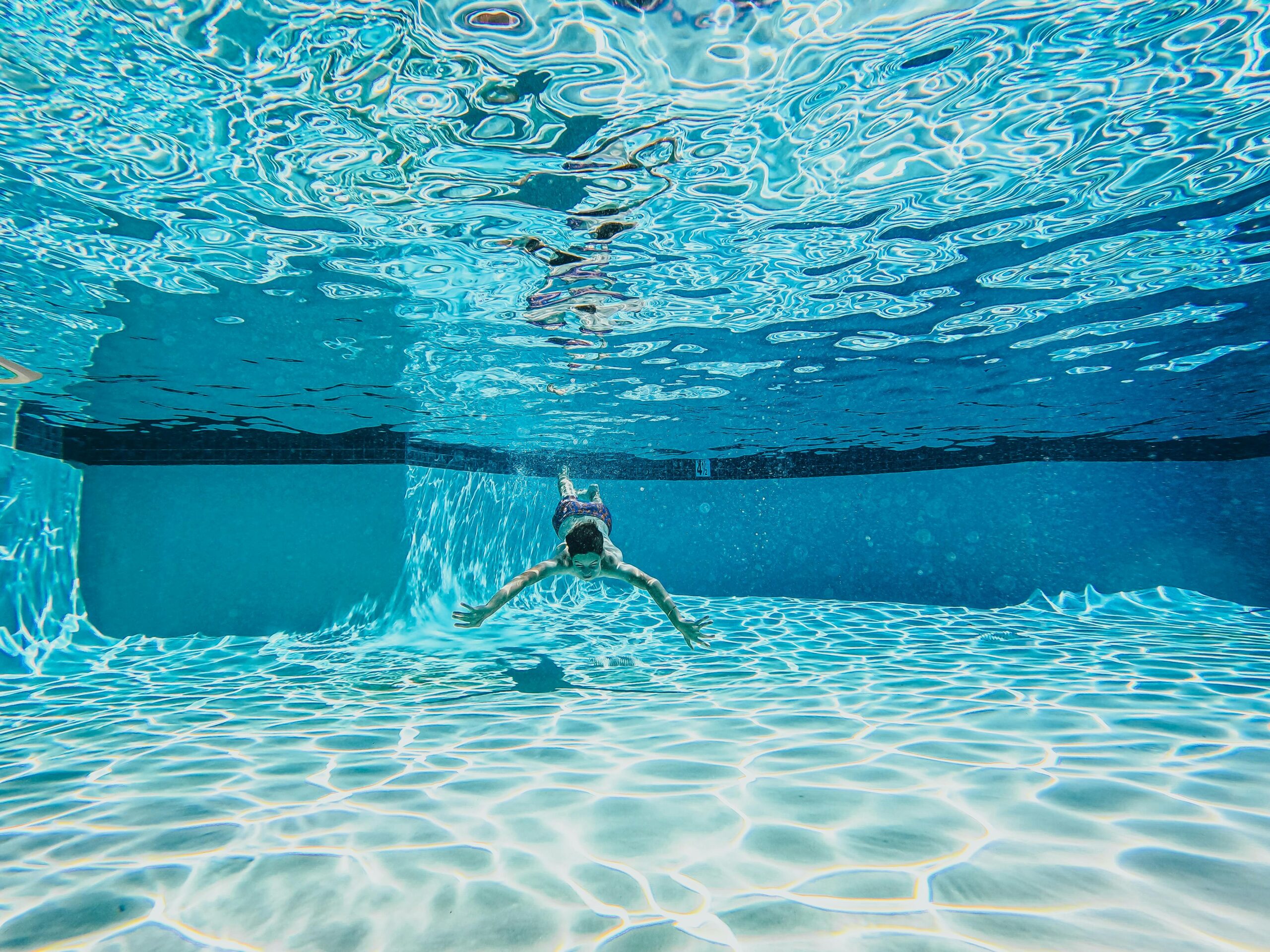
Introduction to Indoor Swimming Pool Humidity Control

The swimming pools inside the house are a source of comfort and convenience, but there is one inevitable challenge that is humidity. As the warm water of the pool evaporates in the air, it adds moisture to the enclosure. This excessive humidity may destroy the building, harm air quality and decrease comfort of swimmers and spectators without proper management. That is why humidity control is the most critical aspect of the design and operation of the indoor pool.
Why Humidity Control Matters for Indoor Pools
Humidity may cause destruction to health and infrastructure without the owner knowing. The condensation of moisture corrosion affects metal fixtures, degrades building materials, creates favorable environments to grow mold and mildew, which may reduce the life of the facility. On human side, the mixture of humid air and chloramines (byproducts of chlorine) causes irritation to the eyes, skin, and breathing system, so the stay at the pool is not such a pleasant experience, even safe. You save your investment in a building, guarantee the comfort of the swimmers, and a safe breathable environment by keeping the humidity at recommended levels.
Common Misconceptions About Pool Humidity and Air Quality
There are some myths that complicate humidity management to a greater extent. Some will think opening a window or turning up the heat will correct the problem but these are only short-term solutions that do not correct moisture accumulation in the long run. Some assume that chlorine is the cause of bad air quality but in fact, it is the chloramines in the still humid atmosphere that causes the irritation. Others even believe that a warm and steamy indoor pool is normal. As a matter of fact, the noticeable condensation or the heavy air are indications that the humidity control is not working.
Basics of Indoor Swimming Pool Humidity Control
Fundamentals of a good humidity management are knowing the fundamentals.
Why Does the Indoor Pool Humidity High?
The major cause is evaporation. The moisture is discharged to the air by every square foot of water surface and increases with the temperature of water, and the temperature difference of air, and the activity of swimmers. As an illustration, when a busy pool evaporates during peak hours, it evaporates much more moisture than a still unused pool.
Ideal Humidity Levels for Indoor Swimming Pools
It is recommended that relative humidity should be maintained at 50-60 percent by analysts. Less than 40 per cent can be dusty and can be damaging to building materials and much over 65 per cent can result in condensation, mould and building rot.
Methods and Technologies for Humidity Control
Humidity control involves design, technology and maintenance.
Ventilation Systems and Air Circulation
The first line of defense is to have a well-designed ventilation system. It constantly puffs out moisture filled indoor air to drier outdoor air and maintains a balance of temperature and pressure. In modern systems, they operate air handling units (AHUs) that circulate the air as well as filter the air to get a better air quality in general.
Dehumidifiers for Indoor Swimming Pools
Most pool enclosures have to have dedicated dehumidifiers. In comparison to domestic types of dehumidifiers, pool-grade dehumidifiers are designed to accommodate large amounts of moisture. They remove the vapor of water in the air, pump the dry air, and in many cases, recycle the recovered heat to the pool area making it more efficient.
Energy-Efficient Solutions for Humidity Management
Humidity control is a power-hungry operation, however more advanced systems are now fitted with heat recovery, variable speed fans and intelligent sensors that will change its performance depending on the usage of the pool. A solution that is efficient in terms of energy consumption will reduce the operating cost and at the same time, the environmental impact is reduced.

Indoor Swimming Pool Humidity Control in Practice
Theory will only take a person to a certain extent, the true worth is the performance of the strategies in practice.
Case Studies of Effective Pool Humidity Management
Take the example of a fitness club where there was a problem with condensation of windows. They save 25 percent of energy expenses and remove any cases of moulds by replacing current dehumidifier with a high capacity dehumidifier with heat recovery. There is also the case of a house that fitted automated ventilation. Sensors of humidity regulated airflows in the system so the same level of comfort could also be maintained even without the need to constantly adjust the system manually.
Common Challenges and How to Solve Them
- Windows and ceiling condensations: Improved insulation and air circulation.
- Chlorine odor persists: Enhance the ventilation of the room to eliminate chloramines.
- The absence of equal humidity levels in the air, in turn, presupposes the equalization of airflows in the enclosure and eradication stagnant areas.
Maintenance Tips for Long-Term Air Quality and Comfort
Performance is of utmost importance. The filters must be cleaned or changed accordingly, the dehumidifiers must be checked once in a year, and the air ducts must be checked as to whether they are blocked. Humidity sensors help to monitor the humidity level and make sure the problems are detected in time before they transform into expensive troubles.
Choosing the Right Humidity Control System

Each pool is different in needs and as such careful planning is needed on the selection of the system.
Factors to Consider (Budget, Pool Size, Climate)
- Budget: The bigger and more progressive systems are more expensive in the short term, but less expensive in the long term.
- Size of the pool: A residential lap pool will not require the same installation as an aquatic center.
- Climate: Depending on the climate, humid areas might need systems that are stronger than dry areas.
Comparing Popular Humidity Control Solutions
- Simple Ventilation Systems: cheap and less effective.
- Self-contained Dehumidifiers: Good in small medium pools, medium prices.
- HVAC and Dehumidification: This is the most appropriate system when the facility is large so that it can offer complete climate and humidity regulation.
Professional Installation vs. DIY Options
Even the smaller pools may be able to cope with simpler units; however, the majority of the systems require professionally installed systems. Experts will be able to maintain proper sizing, compatibility with the current HVAC, and building codes adherence. Self-assembled systems are likely to be inefficient and expensive and can be damaged.
Conclusion – Best Practices for Indoor Swimming Pool Humidity Control
Key Takeaways
- And also maintain the humidity level at 50-60 percent of optimal comfort and safety.
- Combine ventilation, dehumidification and energy saving technologies.
- Installation is as crucial as regular monitoring and maintenance.
Future Trends in Pool Humidity and Air Quality Management
In the future, smart technology will keep changing the humidity management. Smart devices such as artificial intelligence-powered sensors will streamline the humidity parameters online, and renewable energy will decrease the energy requirements. Swimming pool environment is more comfortable indoors than in outdoor because in the future it would be sustainable and healthier.

FAQs
Q1: What is the optimal humidity of a swimming pool inside the building?
The optimum humidity is 50-60%. More than that, it exposes the risk of condensation, moulds, and structural damage whereas less than that may cause discomfort and material problems with the building.
Q2: Do I always need a dehumidifier for an indoor pool?
The majority of indoor swimming pools need a dehumidifier since a normal HVAC system is not intended to have such high moisture volume. A pool grade dehumidifier guarantees uniform humidity and security of your plant.
Q3: Are there energy-efficient ways to manage pool humidity?
The contemporary systems have smart sensors, variable speed fans and heat recovery technology to regulate the humidity but end up using little energy. These solutions reduce the cost of operation of the organization and they are environmental friendly.
Related Articles