

What Does “Do Indoor Pools Increase Home Value” Really Mean?
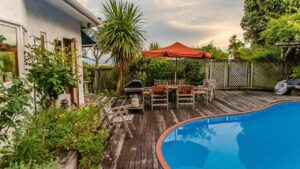
Whenever homeowners inquire about the effect of indoor pools on the value of the home, they tend to be attempting to know whether an indoor pool is a good long-term investment. It is not a question of the price at which it will be sold, but also whether the amount of money outlay it costs to build and maintain the pool will yield a higher property value. Indoor pools are regarded as luxury features, and luxury features may have various impacts on home value. Indoor pools are equally desirable to some buyers and unnecessary costs to others.
Due to this, the indoor pools lack a definite effect on the price of the home. Realizing the meaning of this question can aid in making real decisions by the homeowners. As opposed to believing that an indoor pool is sure to add value, one should learn under which circumstances it will and will not add value to the property.
Simple Explanation for Homeowners
Simply put, the question entails whether a house that has an indoor pool will fetch more money than one without an indoor pool. In some cases, yes, particularly in the luxury properties. In other instances, the value growth is minimal or non-existent. The value of a home varies based on how much the buyers are ready to pay and not on what the owner used in constructing the pool. The financial benefits of indoor pools can be different according to the market; however, they can also be used to enjoy and feel more convenient.
How Indoor Pools Affect Property Value
The presence of indoor pools has an impact on the property value in that it impacts the perception of the buyers towards a home. An indoor pool is a property that can be singled out as it is not like other houses offered in the market. An interior pool should be well-designed to ensure a home looks luxurious and beautiful.
Consumers who desire high-quality features can pay more. Nevertheless, indoor pools, too, may raise some concerns. The buyers can be concerned with fuel, repairs, and maintenance. When the pool appears expensive or complex to the buyer, the value might be less increased. The indoor pools have an impact on property value primarily based on the perception of the buyer.

Indoor Pools vs Outdoor Pools for Home Value
Outdoor swimming pools are more typical and known to the majority of buyers. Due to this, they tend to attract more people. The benefits associated with indoor pools include the use throughout the year and protection in times of inclement weather, although they are costlier and more complicated.
Indoor pools are common in luxury homes since the buyers are attracted to the high-end products. Outdoor pools can be more convenient and more desirable in an average neighborhood. The impact of indoor pools on the value of homes is thus more variable than that of outdoor pools.
How Indoor Pools Influence Value
Indoor pools affect the values of property by altering the ability of buyers to compare a house to others. They do not charge a specified premium. They instead influence the perception of buyers about the home as less desirable or more desirable. When an indoor pool helps a property to be more appealing, buyers can present higher prices.
In case buyers perceive the pool as a drawback, the price can possibly be curbed. The strongest impact on the pricing is with indoor pools that are of the same style and value as the home. The value brought about by indoor pools is a combination of design, utility, and demand by the buyer. The addition of value associated with an indoor pool is decided on by three factors.
Luxury Appeal and Buyer Interest
Indoor pools correlate with high-end houses. Customers who aspire to having high-quality properties usually demand unique features. A good indoor pool will not only make a property unique but also appeal to serious buyers. Luxury is an enhancement of the preference that consumers will pay more for.

Location and Market Demand
One of the most significant ones is location. Indoor pools might also be preferable in colder areas since outdoor pools are not available all year round. In more affluent areas, the customers will tend to request luxurious touches. Indoor pools have the potential to cause a low value addition in average neighborhoods due to the tendency of buyers of houses to consider affordability.
Pool Quality and Design Impact
The quality of construction plays a major role. The construction is a significant factor. Indoor pools with good lighting and ventilation add more value than old pools. The ill-conceived pools might decrease the interest of buyers. Buyers would like to see attractive and well-maintained pools.
Why Indoor Pools Can Increase Home Value
The addition of indoor pools can also add value when it has any significance.
Year-Round Usability
- The indoor pools may be employed at any time of the year.
- This renders them more realistic compared to outdoor pools in most climates.
- The feature can be used throughout the year, which makes it more useful.
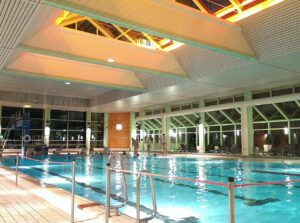
Privacy and Comfort
- Outdoor pools cannot always give privacy as indoor pools do.
- Customers tend to value secluded areas where they can have some rest.
- Weather conditions are also safeguarded through indoor pools.
Luxury Home Features
- The indoor pools are regarded as luxury facilities.
- Perceived value is raised by luxury features.
- These features can be priced higher by buyers of high-quality homes.
When Indoor Pools May Not Increase Home Value
Indoor pools might not add value when purchasers perceive them as unnecessary and costly.
High Maintenance Costs
- Indoor pools should be cleaned and maintained regularly.
- Buyers can be concerned with the time and cost.
- Buyer interest can be lowered through high maintenance.

Energy Expenses
- It needs heating and ventilation for indoor pools.
- The cost of energy may be high. Some buyers would like to own houses that have a very low operating cost.
Limited Buyer Interest
- Not all buyers want pools.
- Other families opt to have additional living space.
- Value growth can be decreased by a lack of interest.
Indoor Pool Cost vs Added Home Value
The prices of indoor pools are usually higher than the increase in property prices.
Average Indoor Pool Costs
- Indoor pools may go up to tens of thousands of dollars.
- Constructs, heating, and ventilation are all costs.
- After installation, maintenance is involved.
Expected Return on Investment
- These indoor pools fail to recoup their building value.
- To some degree, they can add value.
- The payback is determined by the demand.
Long-Term Financial Impact
- The indoor pools are more costly to operate.
- They can, however, enhance quality of life.
- Depending on the situation, financial gains are involved.
What Real Estate Experts Say About Indoor Pools
Artists deem indoor pools a luxury.
Buyer Preferences
Some buyers are
- I’m fond of indoor pools.
- Others prefer simpler homes.
- Preferences vary widely.
Appraisal Considerations
- Similar homes are compared by the appraisers.
- When there is a limited number of houses equipped with indoor pools, valuation is more complicated.
- There is the likelihood that indoor pools will not get the full cost value.

Market Trends
- Luxury markets are more in demand.
- Mixed demand is exhibited in the average markets.
- Trends vary by location.
Real Examples of Indoor Pools and Home Value
There are real-time examples of the influence of indoor pools on value in various scenarios.
High-End Homes
- Up-market houses usually have indoor swimming pools.
- Customers are demanding high-quality features.
- More importantly, the increase in value becomes more probable.
Average Homes
- There can be minimal increases in the value of average homes.
- Pools will not be as expected by buyers.
Small Homes
- Small houses hardly prosper.
- Pools can decrease the available space.
- There might be a lack of interest on the part of buyers.
Should You Install an Indoor Pool to Increase Home Value?

The choice to install an indoor pool is a decision that one should think about.
When It Makes Sense
- It is logical in high-end-living houses.
- It is reasonable in case homeowners intend to use it in the long term.
- Logically, customers demand high-quality features.
When It Does Not
- It is not necessarily logical in small houses.
- It does not necessarily make sense in low-budget districts.
- It might not be logical from a short-term ownership perspective.
Best Situations for Indoor Pools
- Ideal scenarios are big houses and high-priced communities.
- Indoor pools are better when they are in line with the property.
How to Maximize Home Value with an Indoor Pool
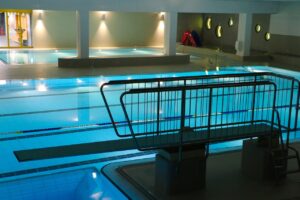
Value can be added through proper planning.
Smart Design Choices
- The contemporary design makes it more attractive.
- Natural lighting enhances beauty.
- Open layouts attract buyers.
Energy Efficiency
- Effective systems save on expenses.
- Reduced operating expenses are influential in buyers.
- The value is added with energy-saving features.
Proper Maintenance
- Properly serviced pools appeal to buyers.
- Clean and functional systems enhance confidence.
- Maintenance protects value.
FAQs About Do Indoor Pools Increase Home Value
Do indoor pools add resale value?
The addition of resale value to indoor pools in some markets (mostly luxury homes) is inconsistent, with variation in the rate of addition.
Are indoor pools worth the investment?
Often, it is worth it in personal enjoyment, and the returns in terms of financial gains hinge on the market with respect to indoor pools.
How much value does an indoor pool add?
Appreciation is arbitrary and usually just a proportion of the cost of installation.
Do buyers want indoor pools?
Indoor pools are demanded by some buyers, particularly in the high-end market, whereas others as traight forwardard with simple homes.
Conclusion: Do Indoor Pools Increase Home Value
The effects that indoor pools have on the value of homes are not always assured. They work depending on the location, type of property, and tastes of buyers. For luxury homes and long-term house owners, indoor pools may be an option that enhances lifestyle as well as house value. With ordinary houses, it might not have monetary rewards despite the pool being enjoyable.