
Introduction to Robotic Pool Cleaners and Algae
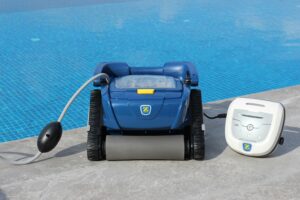
Do robotic pool cleaners remove algae, and why do they need to? The need to know whether a pool cleaner is a robot that cleans up algae is one of the most raised questions by pool owners. It is a legitimate concern since algae is not only unattractive, but it can also easily transform a crystal-clear pool into green opaque water unless addressed.
Many types of algae in swimming pools are of green, yellow, or black color and each is associated with its difficulties. These small plant-like organisms live in warm stagnant water, and survive on sunlight and organic matter. Algae will cause the surfaces of pools to be slippery, block filters and in the long run even damage the pool equipment when it is left untreated.
That is why lots of pool owners resort to robotic pool cleaners. and hope that these appliances will help them save several hours of cleaning the pool by hand and keep the algae level under control as well.
Basics of Do Robotic Pool Cleaners Remove Algae
What Robotic Pool Cleaners Are Designed to Do
Robotic pool cleaners are intelligent, self-cleaning devices that can vacuum, scrub and filter the surface of the pool without having to attach to the pump system of the pool. They have brushes, suction power, and fine filters so as to remove dirt, sand, and leaves as well as microscopic debris. Their primary aim is to decrease the accumulation of pollutants that support the growth of algae and ensure that the maintenance of the pool does not require much work.
How Algae Grows and Spreads in Pools
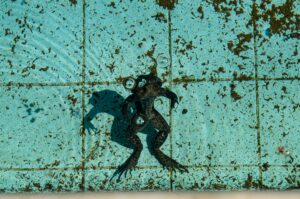
Algae spores are never far away – these can get into your pool by rain, wind or on the swimsuits of swimmers. Spores can multiply at an alarming rate whenever there is insufficient chemical balance in the pool water or water circulation. High temperatures, lack of proper filtration and high phosphates or nitrates stimulate growth. When algae develop, they are able to adjoin to the pool walls, steps and floors, forming slimy green spots or orborex black spots.
Can Robotic Pool Cleaners Remove Algae Effectively?
Robotic cleaning pool cleaners are able to eliminate a large amount of algae, particularly loose or newly formed algae. Their scrubbing brushes scrape the algae off the walls and the bottom of the pool, and their filtration system captures the particles before they can be spread. Effectiveness, however, depends on the type of algae and the developmental stage. Generally, robotic cleaners are very effective in handling algae but can fail to eliminate it fully without the use of chemical treatment.
Types of Algae and How Robotic Cleaners Handle Them
Green Algae Removal
The most prevalent and the least difficult to treat are green algae. It swims in water and attaches itself to surfaces, rendering pools to appear cloudy or swampy. Green algae responds well to robotic cleaners that scrape it off the wall and vacuum off the loose particles. Green algae may be managed with regular water usage and with proper water chemistry.
Mustard/Yellow Algae Challenges
Mustard algae is more difficult since it is powdery and sticks to dark places and cannot be removed by regular brushing. Robotic cleaners can assist in loosening and vacuuming the algae, however, due to the rapid recurrence of this type, pool owners use them as supplements to cleaning using algaecides or shock treatments.
Black Algae and Its Limitations
The most difficult one is the black algae. It spreads its roots in pool plaster or grout, and it develops dark, stubborn spots. Even powerful brushing robotic pool cleaners can only clean the top layer of the black algae. To eliminate it fully, one has to scrub it manually with a stiff brush and treat it with chemicals.

Factors That Affect Robotic Cleaner Performance on Algae
Pool Size and Shape
A robotic cleaner is usually efficient depending on the design of a pool. The bigger the pools are, the longer time it takes to clean them, and the irregular shapes with tight corners can leave some algae-prone areas uncleaned.
Filter Quality and Brush Technology
Robot cleaners that have ultra-fine filters and powerful scrubbing brushes are better against algae. Rotating or high-grip brush models are able to dislodge slimy patches more easily than simple suction-only models.
Frequency of Cleaning and Maintenance
Consistency is key. Routine cleaning of the robotic cleaner does not allow the algae to create a presence. Little washing leaves the spores of algae to proliferate, and the work of the cleaner becomes even harder.
Do Robotic Pool Cleaners Replace Other Cleaning Methods?
When Manual Brushing Is Still Necessary
Still stubborn algae, particularly yellow or black, have to be pulled off by hand. Robotics are not always able to cleanse all the crevices, and corners occupied by algae.
Role of Chemicals in Algae Prevention
Robotic cleaners are great to remove algae but are unable to kill algae. Chemicals such as chlorine, algaecides and shock treatments are essential in the pool to kill spores and to avoid regeneration.
Best Practices for Algae-Free Pools
The best will be a combination of all three of them: robotic cleaning, manual cleaning where it is necessary, and appropriate chemical balance. Frequent water testing, circulation and shock treatment is used to make sure that algae do not occur again after cleaning.
Real-World Applications and Case Studies
Success Stories from Pool Owners
According to many pool owners, algae issues were much lower because of the cleaners as a robot. Indicatively, users who had issues with green growth realized that operating their robotic cleaner every day to clean their pool maintained it in a clean state during the hot seasons.
Common Issues and Troubleshooting
Flipping the other way, there are owners who observe algae returning soon enough in the event the owners have an incorrect pool chemistry. Some discover that their robotic cleaner leaves some steps or dark areas that algae grow. These problems demonstrate the necessity of integrating robotics into the usual care of the pools.

Pros and Cons of Using Robotic Pool Cleaners for Algae
Advantages for Pool Maintenance
- Saves on time and work as opposed to manual scrubbing.
- Scrubs and vacuums algae particles well.
- Enhances the flow and alters the environment of algae.
- Can be booked to clean regularly.
Limitations You Should Know
- Maybe not effective at all in eliminating mustard or black algae.
- Still – Still needs to be chemically treated to prevent in the long term.
- High initial cost of investment in comparison with hand tools.
- May wrestle in big pools or irregularly shaped ones.
Final Verdict – Do Robotic Pool Cleaners Pick Up Algae?
Yes, robotic pool cleaners are able to remove algae, particularly algae that is green and they are useful in maintaining clean and safe pools. Nevertheless, they do not provide a complete solution in themselves. To control the algae long-term, the robotic cleaning should be used in combination with the appropriate chemical treatments, as well as with the regular manual cleaning. Consider robotic cleaners as a great ally in the war against algae- not a full substitute to other strategies.
FAQs About Robotic Pool Cleaners and Algae
Do robotic pool cleaners work on all types of algae?
They are most effective on green algae and can be used to cut down on yellow and black algae but not necessarily eliminate the more stubborn strains without further manual and chemical intervention.
How often should I use a robotic cleaner for algae control?
In hot seasons or when the chances of algae are high, cleaning every day or every other day is the most appropriate. To maintain it, it is typically run 2-3 times a week to maintain the algae under control.
Can robotic cleaners prevent algae growth completely?
No, it will not be possible to prevent algae growth only with the robotic cleaners. They are able to minimize build-up and circulation problems, at which the sole manner of ensuring complete prevention of algae formation is by maintaining the correct levels of chlorine and water balance.