
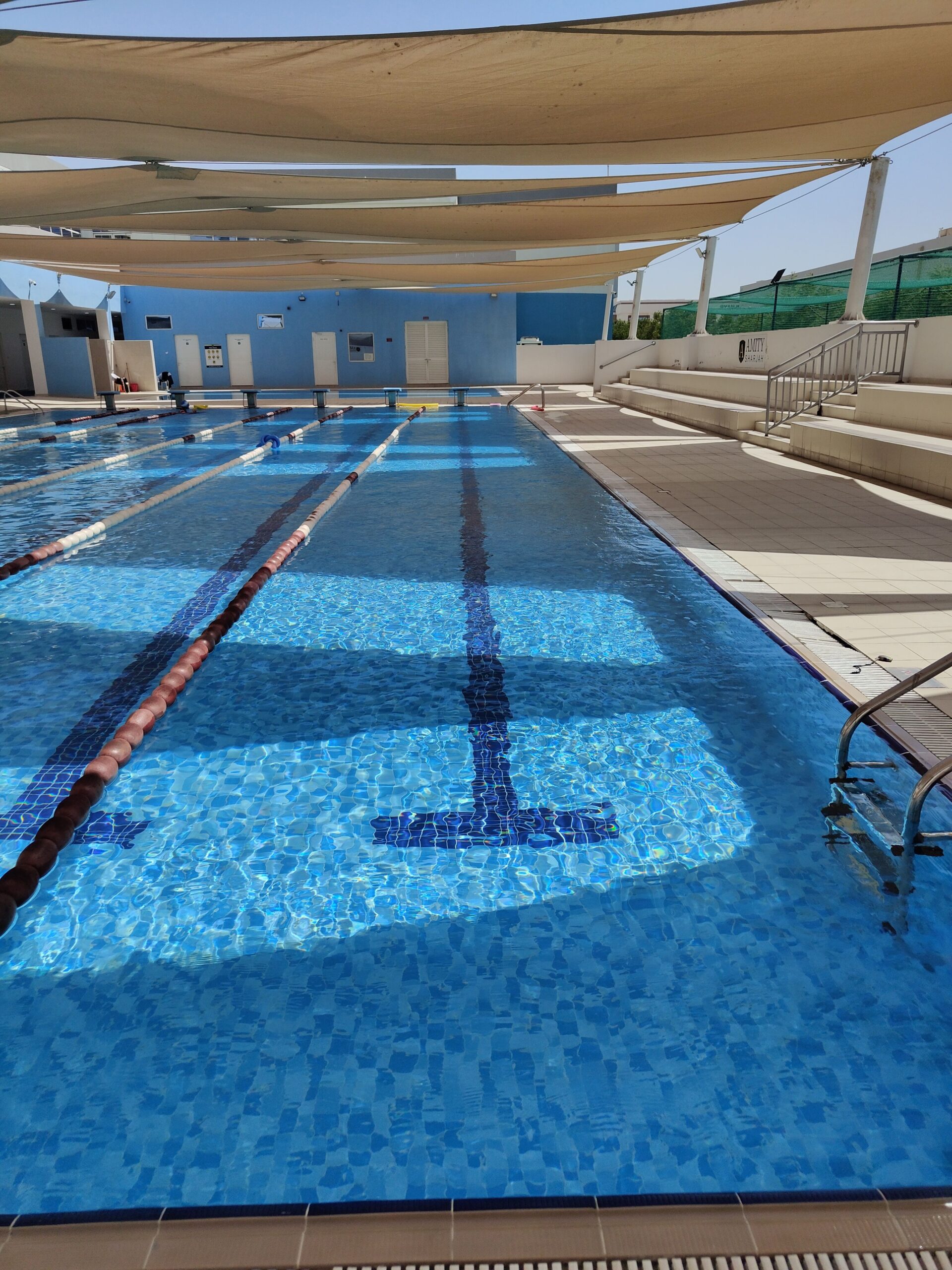
What Is Swimming Pool Anatomy?

Water moves because parts connect beneath the surface. Though many view pools as open basins, hidden layers manage flow and safety. The frame contains liquid while machinery pushes it through pathways. Instead of just seeing blue, consider what runs below: Pipes twist, filters trap debris, and pumps hum steadily. Each piece has a purpose. The equipment works quietly, so swimmers feel nothing but calm. When pools run smoothly, it is because pieces do their jobs; recognizing each role helps people manage care without confusion. A strange noise today might mean less trouble tomorrow if noticed fast.
Understanding Pool Anatomy Matters
Pools rely on hidden systems doing their job behind the scenes. When something goes wrong, water turns hazy, flow slows down, and drips appear; you stand a better chance of spotting clues if you grasp how pieces connect. Miscommunication fades when talking with service people once you know which part does what. Staying ahead means recognizing which chores matter most to avoid bigger headaches later.
How Swimming Pool Systems Work Together
From each pool, water moves out via skimmers and floor openings. Through pipes, it flows, reaching the pump before passing through a filtering unit. Back into the basin it goes, exiting at jet outlets placed along the walls. Heaters sometimes join the loop. So do devices that add chlorine or manage timing. One broken piece can slow down everything else. The whole setup depends on steady movement.
The Main Parts of Swimming Pool Anatomy
Water moves through pipes after being cleaned by filters. A concrete shell holds everything in place beneath the surface. Pumps push liquid in loops so it stays fresh. Tiles line the edges where swimmers grab when resting. Equipment like heaters adjusts temperature quietly behind walls. Each piece works whether sunny or still.
Pool Shell
Water stays inside because of the pool shell. Built into different depths and shapes, it defines how the pool looks. Concrete might hold it together; er, sometimes fiberglass takes over instead. A strong frame wrapped in vinyl works too, based on what kind of pool gets built.
Pool Floor and Walls
Water presses against the surfaces inside every time someone uses the space. Built to handle long-term wetness, these parts hold up under stress from weather too. How they feel when touched changes how safe swimmers think it is. Lasting performance ties closely to what happens where wall meets floor.
Pool Coping
Starting at the rim, pool coping wraps the outer edge like armor. This layer seals against moisture creeping into the structure beneath. Instead of sharp concrete, people meet a smooth surface when stepping in or out. Finished looks come naturally since gaps and rough spots disappear under its cover.
Pool Deck
Surrounding the pool, the deck gives space for moving around or relaxing. Materials like concrete show up often underfoot, and pavers, stone, and even composites appear. Safety gets a quiet boost when the layout prevents slipping while guiding water off to the side.
Pool Tile and Finish
Starting at the edge, tiles boost looks alongside practicality. Near the water’s rim, they block stains because they’re easier to wipe down. Smooth inside layers guard what lies beneath even as they make strokes through water feel clean. Protection meets comfort where surfaces meet skin.

Understanding the Pool Circulation System
Pipes carry water like roads do cars, keeping it flowing without stopping. Water travels through filters and chemicals because movement keeps everything working right.
Pool Skimmers
Water surfaces often carry bits of nature’s mess; skimmers grab them first. Near the top, these openings trap drifting leaves, bugs, and oily films. Floating junk never reaches the deep if caught up front. Less gunk inside means filters work slower and last longer.
Main Drain
Down near the bottom, where the water sits thickest, the main drain pulls flow from below. Because it moves liquid upward, every section gets cleaned and balanced evenly across time.
Return Jets
Water flows out through return jets after being cleaned. Where these jets sit shapes how water moves around the basin. Movement from them spreads treatments uniformly across the space. Still, spots are less likely when flow is guided well.
Pool Plumbing Lines
Pipes link every key part of the system. From the pool, water moves through suction lines toward the gear. Return lines carry cleaned water back into the basin. Good pipe layout keeps flow smooth and steady.
Water Flow Explained
Water flows into skimmers and exits via drains to start things off. From there, movement happens as the pump draws liquid toward the filtering unit; grit stays behind. What follows depends on equipment present: warmth gets added sometimes and chemicals too. Out it goes again, back into the main body, slipping through return openings along the sides.
Pool Equipment Basics
Water flows via pipes because pumps push it along. Debris gets trapped, thanks to filters doing their job. Chemical systems keep the water clean by balancing pH levels. Heat regulation happens using heaters or solar covers. Equipment works together so swimming stays comfortable.
Pool Pump
Water moves because the pump pulls it in right away. This device sits at the center of everything the pool does each day. When it fails, cleaning stops dead in its tracks. Most problems begin once flow drops too low.
Pool Filter
Water passes through the filter, leaving behind dirt plus larger chunks of junk. Tiny bits stay trapped inside as clean liquid moves forward.
Sand Filters
Water moves through layers of fine grains, catching dirt along the way. Built to last without costing much, these units hold up well over time. Their upkeep takes little effort or special tools.
Cartridge Filters
Pleats inside cartridge filters trap dirt as water passes through. Great at cleaning water, these units often need less backwashing compared to sand types. Instead of draining large amounts, they rinse with a fraction. Their design keeps efficiency high while using fewer resources. Maintenance feels lighter simply because refilling isn’t constant.

DE Filters
Water clarity jumps when tiny bits get trapped. Tiny particles vanish because diatomaceous earth filters work at a microscopic level. Clarity like glass comes through, simply due to how fine the filtering is.
Pool Heater
Water stays warm longer when a pool heater runs through cooler months. Gas units fire up quickly, while heat pumps pull warmth from the air instead. Solar panels rely on sunlight, slowly boosting temperatures over time.
Saltwater Chlorinator
Out of salty water comes clean swimming, thanks to a device that zaps salt into sanitizer. Not every system runs as this one does—it keeps working without constant refills.
Pool Automation Systems
From a phone or wall unit, pump settings respond at once. Lights shift with daybreak; heaters follow temperature dips. Water elements turn on when needed. A single tap sets everything in motion. Efficiency rises as actions align to habits.
Swimming Pool Anatomy Above the Waterline
Several important components remain visible above the water’s surface.
Pool Coping and Edging
With these details, the structure gains strength along with a cleaner look. Because of them, the water area stays distinct from nearby surfaces.
Pool Deck Features
Pools feel better when decks hold spots to sit, places to cook outside, covers for shade, and room to relax. A space like this makes hanging by water more comfortable through small changes adding up quietly but clearly.
Safety Fencing and Barriers
Fences block entry while self-closing gates shut on their own after someone passes through. Safety barriers stand guard where people shouldn’t go, cutting down how often mishaps happen near risky spots.

Pool Lighting
When night falls, lights help swimmers see better while making the space around the water look more inviting. Brightness after dark does not just guide steps; it quietly transforms bare concrete into something warmer, easier on the eyes.
Swimming Pool Anatomy Below the Waterline
Below the surface, some key parts of a pool stay out of sight. Hidden underwater are several crucial elements that keep it running.
Main Drains
Water flows better when main drains pull from below, spreading motion evenly across the entire pool area. Deep currents stay steady because these openings guide how it moves underneath.
Suction Lines
Pipes carry water pulled from skimmers, moving it toward the pump. Drains feed into this flow, guiding liquid along. The journey ends at the filter, where cleaning begins. Treatment follows, preparing water to return clear.
Return Fittings
Backflow fixtures send purified water returning to the basin while shaping how it moves inside. Water reenters smoothly thanks to these parts guiding its path naturally. Circulation improves because each piece aligns with the flow’s rhythm. These components work quietly even when doing heavy lifting. Movement becomes balanced once cleaned liquid rejoins the main volume.
Underwater Lighting
Lights beneath the water help you see better when night falls. A swim feels nicer under their glow, too.
Popular extras and options for swimming pools
Fancy details show up in certain pools, adding charm along with comfort. A touch of design lifts both appeal and ease when you step near.

Waterfalls and Fountains
Light dances on water, alive with every tiny wave that moves across the surface. Now and again, a small splash cuts through quietness, adding pulse to still moments.
Infinity Edges
Water seems to spill into the sky where infinity-edge pools blur the line between structure and landscape. The edge fades, making space feel open, almost weightless. A still surface stretches toward distant views, merging with light in quiet ways.
Spas and Hot Tubs
Spas built into pools bring calm, offering healing perks through shared gear. Equipment used by both cuts down on clutter without losing function. A single system powers water flow, easing maintenance tasks naturally.
Pool Covers
Because covers sit on top, less water escapes into the air. They also keep people safer around the pool. Temperature stays steady when covered.
Pool Cleaning Systems
Pools stay clearer when machines handle scrubbing, lifting grime off surfaces without people needing to step in. Machines take over, brushing away gunk from both bottom and sides while effort drops sharply.
How All Pool Components Work Together
Pools work best when each piece does its job. Not one detail sits idle inside that system.
The Water Circulation Process
Pools stay fresh because water flows out through openings in the surface. From there, it travels into filtering systems. After cleaning, it slips back in quietly near the edges. Movement never stops, always cycling, always shifting. Equipment works without pause during this journey. Clean liquid reenters just where needed. Flow finds its way again and again.
Filtration and Water Treatment
Past the filters goes water, carrying junk that gets stuck along the way. Still, tiny life, algae, and bacteria slip free until chemicals step in. What eyes spot ends up held by grit and sand inside the system. Only after treatment do invisible risks finally fade away.
Heating and Temperature Control
Water warmth stays just right because heating units do their job. Yet smart controls cut power waste by adjusting how they run.
Pool Issues and Why They Happen
Peering into how a pool is built helps spot issues faster. When you see its guts, fixes become clearer. A look under the surface changes everything. Knowing what lies beneath cuts through confusion. Seeing each piece shifts your view entirely.
Poor Water Circulation
Water flow slows when skimmers get gunked up. Plumbing lines sometimes trap debris inside. Filters coated in grime stop working right. Pump hiccups show up without warning.
Cloudy Pool Water
Water turning cloudy often comes from filters that are worn out. When sanitizers run low, clarity takes a hit. Chemistry levels need checking if things look off. Too much junk floating around muddies it up just the same.
Leaking Pool Equipment
Water could escape from pumps, maybe even filters, perhaps at valve points. Plumbing joints sometimes fail too, as does heater housing. Fixing any spot right away delays leading to bigger issues. A drip near a connection? Look closer. Leaks hide in odd spots, like under seals or behind mounts. Address them fast before the mess spreads.
Blocked Skimmers and Drains
Water movement slows when gunk gathers inside. Efficiency drops because of blockages forming over time.
Swimming Pool Maintenance Based on Pool Anatomy
Pools stay safe when each part gets checked often. A steady routine keeps everything working without surprise issues. Every piece lasts longer if care happens on time. Neglect invites trouble where water flows. Smooth function follows consistent attention.
Weekly Pool Inspection Checklist
Start by glancing at the water level. Move on to giving the gear a close once-over. Skimmer baskets? Pull them out and dump what’s inside. Take a moment to check how things are mixing in the water. Spot anything dripping or cracked while you’re at it.

Cleaning Key Pool Components
Brushing comes first; hit the walls early. Loose grit? A vacuum pulls it away clean. Pulling stuff out is what vacuums do best. Baskets in the skimmer slip up now and then, dropping gunk they caught; that means someone has to scoop it out by hand. Dust builds fast when no one checks. Drains hide trouble unless someone peers inside regularly. Filter gear hums smoother if eyes visit more than rarely.
Equipment Maintenance Tips
Look first at the manufacturer’s guidance. Their advice comes before anything else you might try. Worn seals need swapping out—do it early. Pressure numbers tell a story; keep an eye on them daily. When something feels off, pump and heater tune-ups make sense soon after.
Swimming Pool Anatomy for Different Pool Types
What lies beneath the surface stays mostly unchanged, even if how it’s built shifts from one type to another. Construction choices differ, yet the core layout holds steady.
In-Ground Pools
Out here, creativity gets plenty of room to grow in these kinds of pools; wiring and pipes stretch through much of their setup. Twisting into new shapes comes naturally. That happens because unseen systems below do most of the work.
Above-Ground Pools
Water flows through these backyard basins much like any other, even though their design stays simpler. Aboveground models skip the heavy construction but still keep things circulating well. Still, their design stays straightforward compared to what’s buried underground.
Concrete Pools
Over time, concrete pools need extra care despite their long lifespan, yet they let owners shape them however desired.
Fiberglass Pools
Prefabricated long before installation, these pools feature a smooth surface that means fewer chores later. Because they arrive fully formed, setup happens quickly, which leads to lighter maintenance demands down the road.

Vinyl Liner Pools
Smooth inside, these pools rely on bendable liners. Their setup tends to cost less compared to rigid types.
FAQs
The Heart of a Swimming Pool?
Pumped along, water flows because each piece plays its role. Still, nothing works without the rest helping out. Still, people tend to see it as the center of everything.
How Does Pool Water Circulate?
From skimmers and drains, water moves into the pump. After that, it flows through a filter. Treatment happens only when needed. Water flows back into the pool through return jets after being cleaned.
Skimmer Versus Main Drain Explained?
Stuff moving across the surface gets caught first. The skimmer handles what rides high while water moves below through the main opening. From down below, the main drain pulls in liquid, whereas floating leaves and junk get caught up above.
How Often Should Pool Equipment Be Inspected?
Once every week, take a quick look at things. A few times annually, go through gear thoroughly instead.
Conclusion
A swimming pool isn’t just what meets the eye: a basin holding water. Hidden beneath lies an arrangement: supports, pipes, pumps, filters, and safeguards all lined up like parts of a quiet machine. Each piece plays its role, so swimmers get clarity, safety, and comfort. When things sync well, trouble stays low. Knowing how one part tugs another matters whether you manage it daily, plan to own one, or service it now and then. Long life comes not by chance but through a grasp of connections.