
What Is an Indoor Gunite Pool?
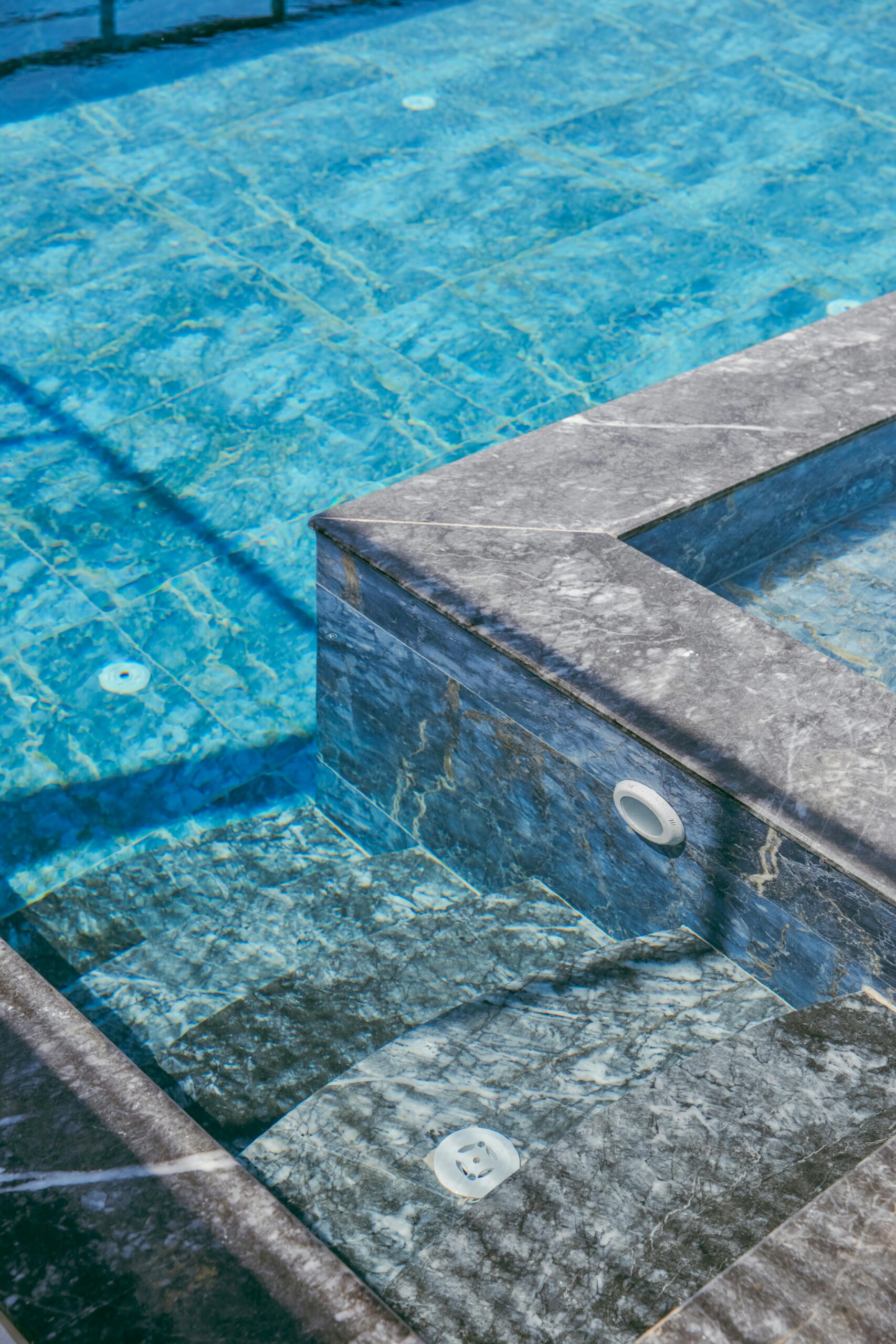
Gunite pools indoors are custom-designed pools made with spray-on concrete and installed within a fully enclosed area. Unlike fiberglass shell pools, which come in one piece, a gunite pool is constructed on-site. This means the form can be made any way desired, with choices in depth, shape, and onsite features.
When you create an indoor pool, it is no longer simply another feature of the backyard but is now also part of the actual home. A properly installed pool must also work together with regard to how the entire structure will transfer air, provide temperature control/insulation for the entire structure, and provide long-term water management.
Ultimately, an indoor gunite pool is about developing the best-controlled indoor water feature for use now and in the long term.
What Is Gunite?
Gunite is a dry mix of sand and cement that is forced through a high-pressure spraying process to apply water during the time of application through the nozzle of the spray gun directly onto the surface of the sprayed area being placed on top of the rebar before it fully cures on its own and bonds with the other.
After it sets, the end result would be a thick and solid structure, made of concrete alone, as it is engineered to withstand the original structure’s water pressure at all times. This is one of the biggest advantages.
After it has cured, it will form a solid, thick concrete shell. It is extremely durable and will endure constant pressure from water when gunite is utilized in high-end or indoor pools.
The Key Differences Between Gunite and Shotcrete
Both gunite and shotcrete are forms of concrete, but they have very different properties and uses. Gunite is most commonly used for permanent indoor swimming pools because it has a thicker, stronger quality than standard concrete. There is a dry mix of gunite and a wet mix of shotcrete that is delivered through the hose.
The quality of durability in each type of aquatic shell is present in both, and residential projects are generally performed the same way for either type. However, gunite is preferred by some builders because of the detailed shaping and vertical surfaces that can be created with a dry mix.
Why Gunite Is Ideal for Indoor Pools
Indoor pool builders create pools to be permanent features of the home; therefore, using gunite for the construction of their pools allows them to provide:
- Total design flexibility
- More than 50 years of structural integrity
- Ability to be finished with tile, stone, and some of the highest quality finishes
- Ability to support the structure of your home and be integrated with it
If you are designing a pool to be enjoyed for over 20 years, it would be smart of you to choose to build one using gunite.
Benefits of an Indoor Gunite Pool
The biggest benefit is easy: you can swim all year round.
- Rain, snow, and wind do not affect an indoor gunite pool at all. The environment stays controlled.
- You also get privacy. No leaves blowing in. No neighbors watching. No weather damage.
- Then there’s customization. Because the pool is built on-site, you’re not limited to factory molds. You can create lap lanes, custom curves, or an attached spa without compromise.
In high-end homes, an indoor gunite pool successfully adds value to the property; although this may differ from market to market, many people see indoor gunite pools as a large asset in luxury housing markets.
Indoor Gunite Pool vs Fiberglass and Vinyl Pools
Fiberglass pools are very easy to install, and they are pre-built. Depending on the size of your home, an installation can take 1 day or less, or several days or more, and there is a limit to the shapes and sizes of the pools. Also, if you install a fiberglass pool indoors, getting a large fiberglass shell inside the home can be a challenge.
Vinyl liner pools have a lower initial cost than both fiberglass and gunite pools. However, if you have to drain and replace the liner, it may be very inconvenient; any liners must also be replaced every 7-10 years.
Gunite pools will take longer to build than fiberglass and vinyl pools and cost more money initially; however, the benefits of possessing a gunite pool will far outweigh any disadvantages. Gunite pools offer:
- Longevity = durability
- Endless shape and size options
- Compatibility with premium finishes, bathhouse, etc
- Better integration with indoor structures
Indoor swimming pools are some of the most popular types of pools. Gunite is typically the best option for a permanent indoor swimming pool, as it is much stronger for long-lasting use.
Indoor Gunite Pool Design Options and Custom Features
When you’re looking for the most durable type of pool for an indoor, permanent installation, gunite is your best bet by far. When you choose gunite, you have a lot of planning and design flexibility that is not usually found in a traditional pool.
Lap Pools
Gym-style lap pools, as they are also known, are designed for people who want to swim and use them for their fitness. They can be customized to be any length and any depth in order to fit individual fitness needs.
Plunge Pools
If you do not have enough space to accommodate a traditional pool, many homeowners choose to install a “plunge” pool because of their compact size; they still possess the ability to provide an enjoyable experience for the homeowner and family. Many homeowners choose to add jets or heat to a plunge pool so that they have a spa-like experience when using it.
Indoor Infinity Edge Pools
You can also have a “negative edge” or “infinity edge” on an indoor pool. Achieving this requires careful engineering and planning beforehand. When planned carefully and placed next to large glass walls or windows, it can create an outstanding visual effect.
Indoor Gunite Pool With Spa
Many people choose to incorporate a spa into the main pool structure. The spa flows seamlessly into the pool body, so there is no difference in plumbing and finishing materials.
Lighting and Tile Finishes
The use of proper lighting will greatly impact the overall look of your pool and spa. In addition, LED lighting systems can create ambiance and highlight the beauty of your water. When it comes to the type of tile that you can use in your pool, you have plenty of options,s from standard ceramic tile to glass and intricate mosaics on your pool floor. The gunite structure supports all of these choices.
Step-by-Step Process on How to Build an Indoor Gunite Swimming Pool
Digging out the hole before building your indoor swimming pool requires proper planning and design, so please have your plans completely finished before starting any construction (you should not fill the pool with water until the pool has been built).
- The design and structural engineering aspects are first, and the load calculations and moisture planning take place early in the process. After this is done, the excavation and foundation preparation must be completed. Even in an indoor setting, the base needs to have a good, solid base underneath it.
- After the base is set, steel rebar is put into place as the structure’s framework. Gunite will be applied and formed into the pool shell after that. It is very important to let the shell cure properly for at least a period of weeks, as rushing this process would cause damage. After the curing has taken place, the plumbing and electrical systems will be added, the finishes will be done, tiles will be installed, and HVAC and dehumidification systems will be installed.
- Finally, the pool will be filled, balanced, and tested.
Indoor pools are typically constructed over many months due to multiple components of the construction process needing to work together with respect to the structural integrity, airflow, and moisture control.

Indoor Gunite Pool Cost Breakdown
Indoor Gunite Pools are an expensive investment; therefore, it’s easy to see why they have become more prevalent.
Average Indoor Gunite Pool Cost
The Basics of Residential Indoor Gunite Pools generally range from $100,000 to $250,000; however, as with other projects, high-end projects will cost much more significantly mort.
Construction Costs
A majority of the overall budget is composed of the excavation, steel reinforcement, applying gunite, and the addition of interior finishes.
HVAC and Dehumidification Costs
Climate control is being put into the indoor pools of the future; therefore, these systems play a key role in regulating the pool enclosure environment. The cost associated with these types of systems will depend on the size of the systems needed, and they range from approximately $20,000 to $50,000 or more.
Operating and Maintenance Costs
In addition to the purchase of the swimming pool, homeowners will have to spend money each month after they are built on the costs associated with heating, electricity, chemicals, and air treatment.
Cost by Size and Features
From the outset, pools that are larger will cost more; infinity edges, spas, and premium tiles will add significantly to the price, and any custom feature will add to the final cost quickly.
Indoor Gunite Pool Ventilation and Dehumidification Requirements
HVAC systems will be necessary for indoor gunite pool areas due to the constant evaporation of water off the surface of your indoor pool, thus creating humidity that must be properly removed or controlled. If you do not have these types of HVAC systems for controlling this excess humidity, it could permanently damage the walls/ceilings/windows of your indoor pool area, surrounding your indoor pool (and/or possibly the entire building).
Why Indoor Pools Need Specialized HVAC
Normal HVAC systems for the home are not intended to be used in swimming pool areas. Because of the above-mentioned reasons, swimming pool areas require HVAC systems designed specifically for removing excess humidity through the exchange of the atmosphere.
Perfect Relative Humidity in Pool Room
A typical humidity level for an indoor pool facility is about 60 percent relative humidity. This is to provide for the comfort of the swimmer and reduce any potential for condensation problems.
Reduction of Mold and Problems from Condensation
Proper circulation of air, proper vapor barriers, proper insulation of the windows, and proper installation/use of dehumidifiers are key components of long-term damage. Ignoring this will be a costly mistake.
Natatorium Design Basics
A natatorium is a room that was specifically designed for an indoor pool (all surfaces are moisture-resistant) and has controlled air circulation with respect to humidity levels in the natatorium.
Indoor Gunite Pool Maintenance and Long-Term Care
While maintenance is similar to maintaining outdoor pools, the controlled environment of an indoor pool will differ a little. Water chemistry and proper balance of water are key to preventing damage to the pool’s interior surface as well as any equipment associated with the pool. While there is generally less waste produced with an indoor pool than with an outdoor pool, HVAC systems must be maintained on an annual basis.
Common Problems With Indoor Gunite Pools (And Solutions)
- Most issues arising from gunite indoor swimming pools happen mainly due to moisture management and not due to any issues with the concrete, as most issues that arise with these types of swimming pools will be a result of bad moisture management.
- When there are high humidity levels inside the pool area, this will put additional service and or replacement needs on the dehumidification unit that is functioning as designed.
- The detection of condensation in windows typically indicates that the space in a pool is not being adequately circulated with air.
- Chlorine odour can also indicate poor air flow and/or poor pool water chemistry.
- Over time, movement in the structure may cause cracks in the floor; however, if left unattended, these cracks will develop into larger repairs.
Real-World Applications

Residential Indoor Gunite Pools
The owners of many single-family homes are putting in indoor swimming pools for privacy and for the health benefits of swimming year-round.
Luxury Estate Indoor Pools
Many luxury estates with larger indoor swimming pools are offering skylights, glass-enclosed walls, and retractable roofs along with their indoor swimming pools.
Indoor Swimming Pools in Hotel and Resort Setting
Indoor pools are typically located in hotel and resort properties to offer guests a swimming and/or recreation amenity regardless of weather conditions.
Rehabilitation and Therapy Pools
Medical and therapeutic facilities often build indoor pools to allow for temperature control and ease of accessing the water.
FAQs
How long does an indoor gunite pool last?
Most hotel and resort properties with larger indoor pools are designed to serve the guests for 50 years or more with a proper maintenance regimen.
Is an indoor pool higher in cost than an outdoor pool?
Yes, an indoor pool typically costs more due to the costs associated with heating, cooling, and structural development of a climate-controlled building.
Does it increase property value?
In the luxury market, usually yes; in the mid-range market, only if there is buyer demand.
Can it be added to an existing home?
Before starting your project, a structural evaluation is vital.
Conclusion
An indoor gunite pool is not merely an additional feature of a residence; it is a long-lasting commitment to the space. An indoor gunite pool gives you total isolation from other people, makes swimming available to you every day of the year, and allows for complete personalization of the pool. But for this to be successful, moisture control and proper engineering must be considered. When these criteria are met, your pool becomes one of your home’s most beautiful and enjoyable living areas for many years, not just for a couple of seasons.