
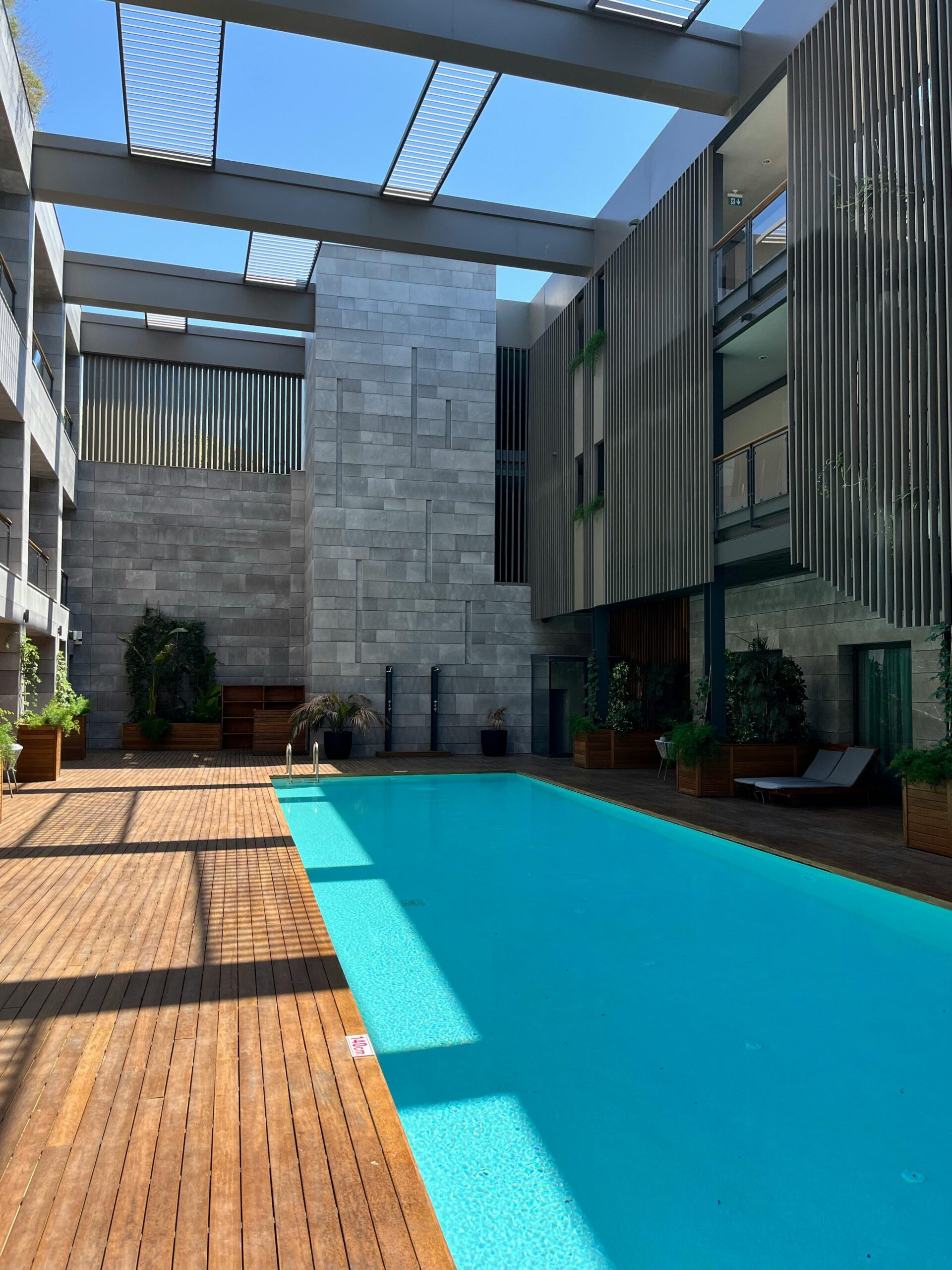
What Is Indoor Pool Design with Natural Light?

Daylight shapes the space when a covered swimming area is designed with open skies in mind. Instead of electric fixtures doing all the work, walls, roof lines, surface textures, and airflow join forces to guide sunbeams across water surfaces. Sun angles matter here, how light slips in during morning hours, climbs higher at noon, then stretches long again by late afternoon, plays out like choreography. Shadows creep across surfaces, pulling hues into new shapes. Sunlight slips in, not tagged on, just built right into its bones.
The building breathes differently because glass meets steel in ways meant to capture brightness without glare. Time of day changes mood inside, not due to switches or settings, but thanks to window placement and ceiling slopes working behind the scenes. Instead of just putting in windows or a roof window, this method thinks bigger. Facing matters, so does glass type, how light bounces inside, air dampness, and power use. Get it right, and rooms feel wide, fresh, bright, tied to nature outside. Still shielded when storms hit or heat builds up.
Why Natural Light Matters in Indoor Pools
Heavy air hangs in indoor pools, stuck under ceilings without breath. Yet sunlight spills in, shifting everything. Water catches the glow, dancing with ripples only daylight makes. Reflections slide along walls, bending through waves, giving shape where flatness lived before. Warmth appears not from heat but from golden angles slicing down. Space stretches when eyes follow light instead of edges. Invitations form silently, built by brightness, not design.
Light changes how we feel, deep down. When the sun reaches inside, body clocks sync naturally while spirits lift especially where low light once made swimmers feel trapped below ground. Homes gain more than just bright pool rooms; they shape quiet zones meant for calm, instead of mere use.
Better Light Inside Pools
When natural light is integrated strategically, the benefits are as follows;
- Lower electricity consumption
- Passive solar heat gain in cooler climates
- Improved property value and architectural appeal
- Enhanced visual clarity and water color
Flooded with sun, the space feels more secure. Suddenly, shadows vanish when strong light spills across a room. Steps show up plainly where floors change height. Light makes hidden dips appear without warning. Edges stop being surprises once brightness fills every corner.
Common Design Challenges
Yet sunlight brings challenges when shaping spaces for indoor pools. Thought must guide every angle where daylight enters.
Most tough problems involve these areas;
- Preventing UV damage to finishes
- Ensuring structural support for large glazing systems
Mold might grow if air does not move well, while dampness builds up inside the walls. So, lights should shape their layout only after heating and cooling plans settle into place.
Key Design Principles for Indoor Pool Design with Natural Light
A well-lit, harmonious pool space needs more than just transparent panels. Shaping it right means aligning structure, mechanics, with surface details each playing its part. Light shifts when design elements move together, not alone.
Orientation and Sun Path Planning
Light shifts throughout the day depend on which way your pool space points. Facing south means steady sunshine most months, especially warmth when it is cold outside. Openings to the east bring a gentle glow early, before things get bright. West windows often mean sharp light late, along with too much heat later in the day. Tracking where sunlight travels helps shape window placement bright interiors without stuffy temperatures become possible.
Glazing and Window Placement
Where you put a window changes how light fills the room. Higher up, they reach farther inside with daylight. Lower ones make walls glow yet often leave ceilings dim. Putting glass on more than one wall smooths out shadows and glare. The kind of glass matters just as much. Two or three panes inside a unit help reduce dampness while holding warmth more effectively.
Skylights vs. Clerestory Windows
Floating down from above, light cuts through glass, skimming ripples that shiver across the surface before leaping onto soft walls. Upward it climbs, sharp flashes flickering where water meets air, caught in sudden bursts along quiet edges. Yet harsh shine may appear when that light hits without softening. High wall openings let daylight slip in quietly instead. This kind of window spreads illumination gently, reducing hot spots. Layered effects emerge where both types meet inside one space.
Reflective Materials and Light Amplification
Light jumps off anything glossy when the sun touches it. Bouncing through space, beams find their way onto pale overhead surfaces. These bright tops send a glow deeper inside. Soft-colored walls pass the light along rather than trap it there. Shiny textures on surfaces keep the glow going. Pool tiles change how bright everything feels. When water sits inside dark tiles, light disappears into them. But go with paler tones down there, and that same light lifts back out, lifting the whole space.
Architectural Features That Maximize Natural Light
Light reaches inside the pool area depending on the building’s shape.
Floor-to-Ceiling Glass Walls
Sunlight spills through the walls of glass, blurring where the room ends, and the orest begins. A tree branch taps near a corner high above ground level. Outside air feels close even when inside. Light shifts across clear surfaces as day moves slowly forward. Glass stretches far up, meeting sky at the top edge. Nature presses against transparent boundaries without breaking them. Where walls stop, views keep going. Light floods through uninterrupted frames. Inside spaces breathe into open air beyond. Boundaries fade when windows erase corners. Light spills across the surfaces, stretching walls in your mind. Because air changes happen here – moisture shifts, heat pushes frames need breaks against thermal flow. Glass units stay locked tight, built thick, made to resist what weather brings.
Retractable Glass Roof Systems
When the sun shows up, roofs that slide away let everything breathe. Opened wide, they turn enclosed pools into airy spots between inside and outside. With more airflow comes less dampness hanging around just until conditions shift again.
Atriums and Courtyard Designs
Light fills the middle of a house when a courtyard is tucked inside behind glass walls. Above, open space lets sunshine pour down, while gaps on each side guide it gently inward. This setup keeps views private yet brightens rooms evenly. From every angle, natural glow slips through without needing outside windows.
Light Wells and Solar Tubes
When outdoor walls can’t be used much like in tightly packed city houses open shafts or narrow light pipes pull sunshine down through the top. Especially helpful below ground, these setups bring natural brightness into pool areas where tall glass sections on walls won’t work.
Materials and Finishes That Enhance Natural Lighting
Light might vanish inside, even when the structure shines boldly. A room’s glow depends not just on shape, but on what covers its walls. Surfaces that drink in brightness leave spaces feeling dim. Design strength fades where finishes trap light instead of sharing it. What looks striking outside may feel dull within, depending on texture choices.
Light-Colored Tiles and Pool Interiors
Starting with soft blues, then aqua shades slip in – both team up with pale neutrals to make water look clearer while lifting room brightness. Light bounces lower when ceilings wear white or creamy hues, spreading glow across spaces without shouting about it.
Glass and Polished Surfaces
Light bounces softly off glass barriers, smooth rock surfaces, then glides across quiet, shiny layers. Daylight spreads calm instead of sharp brightness through these materials.
Moisture-Resistant Reflective Materials
Fog hangs heavy here, so surfaces need to push back against rust and mildew. Instead of crumbling, porcelain stays bright when drenched. Stone holds its shine only if locked tight by sealants. Metals made for boats won’t flake under damp skies. Wood lasts longer once soaked in preservatives.
Energy Efficiency in Indoor Pool Design with Natural Light
Flooded rooms work better when they don’t overheat. When sunlight increases, it helps only if keeping cool stays affordable.
Passive solar heating benefits
Sunlight slips through thoughtfully placed windows, warming rooms when the air turns cold. As heat builds inside, demand for furnace output and hot water drops. Smart layout delivers results while staying low-key. Heat gets held in the floor or wall materials, then slips out slowly when things cool down.
Insulated Glazing Systems
Windows with special coatings keep warmth inside without blocking daylight. In chillier areas, three layers of glass help stop fogging and hold steady temperatures indoors.
UV Protection and Heat Control
Light passes through today’s glass, yet most damaging UV rays stay outside. Because of special layers, sunlight brings warmth under control – eyes feel less strain, and rooms hold steady temperatures. Blinds become less necessary when windows work this way.
Dehumidification and Ventilation Systems
Windows let in more daylight, yet they also create spots where water might gather. Moisture control near pools demands a separate dehumidifier to stay effective. Air must move steadily over glass – this keeps surfaces dry while shielding building materials behind them.
Cost Considerations and Budget Planning
When sunlight fills a space, initial expenses shift along with those that come later.
Cost of Skylights and Structural Modifications
Up top, skylights need stronger framing along with tight seals against leaks. Price shifts based on dimensions and glass grade yet figuring out load support usually eats deep into the budget.
Glass Wall Installation Costs
Framing these big glass walls means using special supports along with careful attention to keeping water out. The higher they go, or the more unique their shape, the trickier it gets to put them in place.
Long-Term Energy Savings
Though the upfront price might climb, less need for electric lights plus sunlight warmth helps balance things later. Fitted tightly, windows that seal properly reduce how much heat escapes or enters a room. That means less need for heaters or air conditioners to run often. Over time, using fewer machines like these shrinks what you pay each month.
Real World Uses and Examples
A single beam of daylight can shape how a pool inside feels. Where glass meets water, brightness spreads differently. Sunlight shifts across surfaces throughout the day. Open spaces respond to sky conditions above. Reflections move as angles change. Each layout uses openings in its own way. Light enters then transforms the room below.
Modern Luxury Indoor Pools
Floor-to-ceiling glass meets skylights in luxury houses, bouncing light through shiny surfaces. Daylight floods these spaces, shaped by mirrors and open panes. Brightness wraps each room, guided by the thoughtful placement of windows above and walls of glass. Natural glow defines the mood, built using clear views out plus clever angles indoors.
Small Residential Indoor Pool Designs
Brighter inside when high windows let daylight spill down through tight spaces. Light climbs up walls where small rooms keep their quiet.
Indoor Lap Pools with Natural Light
A stretch of light runs above slim pools, tracing their full span. Where water meets structure, brightness stays even through each lane. Along this line, daylight filters down without breaks. Above, a long opening frames the sky. Light moves with the sun, sliding across surfaces below.
Basement Indoor Pools with Daylighting Solutions
A dim basement space opens up when light finds its way through a courtyard dropped into the ground. Light climbs in via window wells dug along the walls. Solar tubes shoot brightness down from above, slicing through shadow. Each method pulls daylight deeper without reshaping the structure.
Common Mistakes to Avoid in Indoor Pool Design with Natural Light
A design might mean well, yet tip too far one way. Balance keeps it steady.
Overexposure and Glare Issues
When the sun hits hard, it brings glare along with faster moisture loss from the soil. Using filters or shadow solutions helps balance the brightness while keeping plants cool.
Poor Humidity Control
Much trouble starts when dampness goes unchecked walls sweat, then rot sets in; meanwhile, hidden puddles feed stubborn spores that chew through beams slowly.
Inadequate Structural Support
Heavy glass sections need stronger frames around them. Skipping details when designing supports might cause dangers later on.
FAQs
How do you bring natural light into an indoor pool?
Flooded with daylight, thanks to skylights working alongside clerestory windows, glass walls link spaces while atriums rise into open air above. Light wells channel brightness deep inside where needed most. Which solution fits best comes down to how the structure faces the sun. Local weather patterns shape choices just as much as who might be watching from outside.
Are skylights good for indoor pools?
A solid seal matters when gaps vanish, so does heat loss. Proper setup turns walls into quiet keepers of warmth. Only then does efficiency truly show up. Overhead light works well here, though managing moisture matters just as much as blocking ultraviolet rays.
Could sunlight lower the cost of warming an indoor swimming area?
When temperatures drop, sunlight through windows helps warm buildings. Still, glass needs high performance so warmth stays inside after dark.
Which kind of glass works well inside pool covers?.
Windows built with two or three layers work well when they include special coatings plus spaces between panes. These features slow moisture buildup while helping homes use less power.
Conclusion
Light inside a pool area does not just mean seeing better. It means feeling right. Where structure meets sun, through smart glass and surfaces that respond, spaces breathe easier. Efficiency hides in choices of how walls reflect, how roofs open, how air moves. With everything linked, not stacked, the room lives differently. What could feel shut gets lifted by sky showing through. Daylight acts when parts listen to one another. The result? A place you want to stay in, even if you are not swimming.
Start strong with purposeful design choices. Sunlight flows easiest when spaces face the right direction. Large glass areas shape how light behaves inside. Surfaces around it reflect or absorb brightness in different ways. Heating and ventilation gear keep everything stable through the seasons. Put them together just so, and a room opens up like it has no roof, yet stays sealed against rain and cold.