
Table of Contents
ToggleWhat Is a Mediterranean-Style Outdoor Pool?
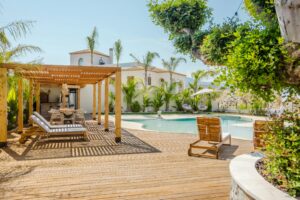
Sunlight bakes the stone near a backyard pool shaped by villages along southern European shores. Water rests easily among rocks and weathered tiles, nothing sharp or new about it. Old-world charm seeps through hand-laid details, each curve grown instead of built. Time seems to slow beside its edges, helped by earthy colors and shadows that stretch long.
You notice cracks filled gently with moss, signs of years passing without hurry. Not sleek, not flashy – just a quiet presence under open sky. Its look belongs there, as if roots run deep beneath the surface. Curved lines show up more than corners, stone takes the place of poured concrete, while design hints pull from rustic European homes. Building a pool matters less than shaping a space where house and nature meet without clear borders.
Origins of Mediterranean Pool Design
Old Spanish, Italian, and Greek homes often placed water at the heart of their outdoor layouts. Water danced in courtyards, sending cool air through stone enclosures. Light leapt from moving pools, reaching into shadowed spaces. People met by these basins, drawn not only by beauty but by daily comfort. Water did more than look good – it shaped how life unfolded outside.
Stone placed by hand once defined these first versions, alongside ceramic tile work, shapes mirroring each other, bordered by greenery. With years passing, usefulness mixed with grace turned into something rich but calm, which now feels familiar. Quiet strength lives here, where modern shapes hold their ground – built for doing things, shaped by hands that see beauty.
Spanish, Italian, and Greek architectural influences
A touch different here, every corner of the Mediterranean shapes the style in quiet ways;
- Fresh from Spain come warm earth shades, patterned tile work full of color, and elaborate touches in design. While old-world charm shows through clay-based hues, small glazed pieces form intricate layouts; decoration leans heavily on fine craftsmanship seen across centuries.
- Mirroring the old European balance, shapes repeat in harmony across the space. Water flows through carved stone basins like quiet centerpieces. Solid rock forms pathways and edges with a polished grace. Instead of clutter, careful placement gives each element room to be seen.
- Fresh whites appear everywhere, while cobalt touches pop beside them – both pulled straight from horizon views. Sea breezes seem built into the design, just like open windows facing endless skies.
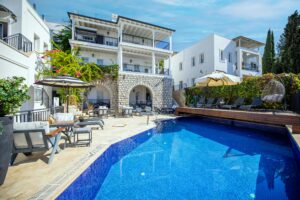
Together, these elements shape a space full of charm without tipping into excess. Stucco walls often appear alongside clay tile roofs, while arches and rough-hewn surfaces add depth – each detail lending balance to the water’s edge.
How It Differs From Modern & Tropical Pool Styles
Mediterranean Style Outdoor Pools skip clean lines. Instead of flat surfaces, they build depth through materials that catch light differently. While today’s designs lean on simplicity, these rely on stone, tile variation, and color shifts; each piece adds character. Smoothness takes a back seat to tactile detail. They feel lived-in, even when new.
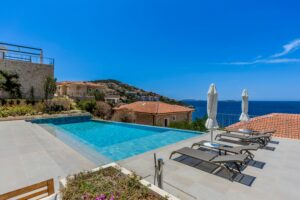
Instead of flowing plants and rocky edges like tropical setups, Mediterranean pools lean into clean lines and clear shapes. Balance guides the garden layout here, not chance. Order shows in every planted row, each stone placed with purpose.
A shift happens here: today’s pools chase sharp lines, while tropical ones dream of getaway vibes, yet Mediterranean styles lean into old-world grace that just won’t fade. Then again, it shows how each water space tells a different story.
Essential Design Elements of a Mediterranean Style Outdoor Pool
What stands out most about this approach shows up close. Not just how things fit together – it’s the grain, the texture, the way light hits each piece that builds something whole. Craft matters here, along with an honesty found in raw materials, doing what they do best.
Natural Stone & Travertine Decking
Stone shapes spaces in quiet ways. While travertine feels soft beneath bare feet, limestone brings a calm gray tone that changes slowly over time. Textured marble invites touch, its surface marked by nature’s hand. Because these materials breathe with the years, each scratch tells part of a longer story.
Favored especially, travertine stands out since it;
- Resists heat absorption
- Provides a non-slip surface
- Complements earthy color schemes
A rough edge here or there keeps things honest. What matters is how the colors shift just a little under light.
Mosaic & Hand-Painted Tiles
Art brings life to tile work. Around Mediterranean waters, you’ll spot ceramics painted by hand, tiny pieces forming border lines at the pool’s edge, or detailed designs built into stairs and seating areas.
Blue shades near the sea shift into soft greens, then warm reddish browns. Light bounces off tile faces, making ripples look alive. When used with care, never too much, a quiet shift happens, turning ordinary into something that catches the eye.
Arches, Columns & Stucco Finishes
Pillars curve into openings where light slips through slowly. Stucco barriers rise without shouting, holding space like quiet thoughts. Colonnades step forward not to impress but simply to stand. Shape finds grace when lines soften at the edges.
Warmth seeps through stucco walls when they wear pale shades like sand or creamy white. A quiet shift happens where columns rise, arches curve, and suddenly the pool feels like it belongs in a sunlit courtyard. Villa echoes linger without trying too hard.
Earthy & Coastal Color Palettes
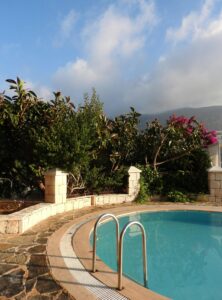
Blue tiles catch the eye first. Yet water depth changes how light bounces through. Sunlight shifts hue by hour. Shadows add cool tones near edges. Stone coping bleeds natural pigments over time. Algae growth tints grout lines greenish. Reflections from nearby walls alter perceived shade. Evening lamps warm the surface glow. Weathered surfaces tell age through subtle fade.;
- Warm neutrals (beige, sand, cream)
- Terracotta and clay tones
- Broad blue and turquoise accents
- Soft white finishes
Coastal towns kissed by sunlight inspire these tones, weaving warmth into open-air spaces. Golden light touches seaside villages, shaping colors that bring heat to airy rooms. Quiet lives on in shades like paths of sand lit by late sun.
Water features, fountains, spillways
The sound of water adds calm while the eyes enjoy the view. Think fountains, maybe a small cascade near classic Mediterranean pools.
- Wall fountains with decorative spouts
- Tiered spillways
- Stone scuppers
- Courtyard-style reflecting elements
Floating through the air, the soft murmur of moving water settles into the quiet mood.
Planning Your Mediterranean Style Outdoor Pool
A dream shapes the look, yet careful steps make sure grace works well.
Choosing the Right Pool Shape
Corners rounded on rectangular pools show up often, tied to balanced old styles. Still, smooth bends bring something tender into the picture. Start simple when shaping the water area. Aim for harmony, not complexity. Let the design echo the house, not clash with it.
Ideal Backyard Layout & Orientation
Out back, where things settle. Pools in Med-style yards tend to sit centrally, held by stone terraces or low enclosures built around them. Something to think on;
- Sun exposure throughout the day
- Wind direction
- Sightlines from the home
A backyard pool can blend right into how you live inside the house. What happens outdoors might mirror your home’s everyday rhythm. Inside habits often flow easily into the water area. The way you use your rooms could continue outside without effort. Water space may simply pick up where furniture leaves off.
Climate Considerations
Warm places love this look, yet it still works up north when you pick tough materials and add heat below. Ice tests stone strength, yet some endure its grip. Cold presses down, but a precise adhesive holds tile edges secure.
Budget and Cost Details
Pricing shifts depending on dimensions, what it’s made of, and what extras are included. Typically:
- Basic Mediterranean-inspired pool: moderate range
- Besides custom shapes, stone work adds price. Tile patterns? They push expenses higher, too
- Architectural features (arches, fountains): premium range
Fine workmanship alongside raw, natural elements lifts costs, yet these choices often boost a home’s worth in meaningful ways.
Materials & Finishes for a Mediterranean Style Outdoor Pool
Fabric choices shape how long things last; truth shows in what they’re made of.
Best Tiles for Mediterranean Pools
Blue bits of broken pottery often begin the scene – ceramic, glass, or porcelain fit right in. Hand-shaped tiles catch eyes, bringing soul into walls and floors. Yet durability leans toward fine porcelain, sneaking strength beneath surfaces that mimic the handmade look.
Coping & Deck Materials
Favored by many, travertine coping stands out. Meanwhile, limestone pairs well with tumbled marble, which fits just right, too.
Plaster, Pebble & Interior Finishes
A gentle ripple of pebbles shapes the surface like ocean edges. Light-toned plaster makes the water seem clearer, almost glasslike. Instead of sharp lines, soft blue walls bring to mind old seaside villages where sun meets stone.
Landscape Plants Matching the Design
Choose drought-resistant, architectural plants such as:
- Lavender
- Rosemary
- Bougainvillea
- Olive trees
- Cypress
Fresh greenery brings a real feeling of ease to care for, yet is full of presence. Now and then,n a little care keeps them rooted, still breathing where they stand.
Mediterranean Style Outdoor Pool Landscaping Ideas
Olive Trees & Cypress Accents
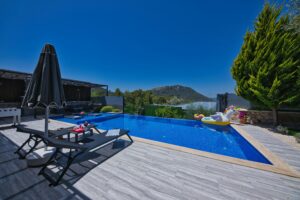
With olive trees, a garden feels like it belongs beside the sea. Cypress rises high, giving shape through height while blocking outside views.
Pergolas And Shade Structures
Faint light slips between leaf edges while tendrils climb rough timber posts. Courtyards take form under these quiet canopies. Shifting shade plays across stone when breezes stir.
Outdoor Kitchens and Courtyard Ideas
Fresh air shapes daily life across the Mediterranean. Out here, breaths come easy. Along the coast, a kitchen sits close to the waves, where slow afternoons gather around food served without walls above. Moments stretch when breezes move through.
Fire pits and lounge areas
A stone fire pit brings heat that pairs well with nearby water elements. Cool air feels less sharp when warmth is close by. Evening time grows more inviting as flickering light fills the space. Water reflects the glow, softening edges after sunset. Heat lingers longer near solid materials like rock. Moments stretch further when comfort does too.
Modern Features for a Mediterranean Style Outdoor Pool
Old ways mix with new ideas to keep things comfortable over time.
Smart Pool Technology
Freshen up care routines using automated cleaners while keeping looks intact. Remote switches manage light settings through handheld signals instead of changing the design flow. Temperature tweaks happen smarter now, adjusting behind the scenes without shifting visual charm.
LED Lighting with Warm Tones
Stone surfaces come alive at dusk under soft white LEDs. Light dances across rough edges, adding depth when darkness falls.
Saltwater vs Chlorine Systems
Fresh on sodium-rich setups brings gentler water along with fewer chemical needs, yet standard chlorinated variants cost less when first installed.
Real-World Mediterranean Style Outdoor Pool Examples
Small Backyard Mediterranean Pools
Small yards gain charm when a fountain covered in tiles sits beside a narrow pool. A tight space feels complete with water sounds plus smooth shapes fitting just right.
Luxury Estate-Style Pools
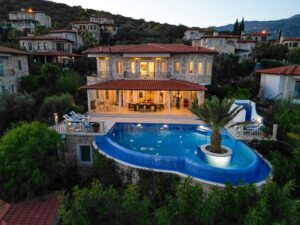
Some big homes feature terraces that stack upward, flow into endless-looking pools, then open onto wide stone areas.
Budget-Friendly Mediterranean Pool Ideas
Flat stones lay down first, one level thick. Tiny tiles step in afterward, bringing soft differences where they land. Simple plants around the edges tie it together without costing much at all.
Maintenance Tips for a Mediterranean Style Outdoor Pool
Cleaning Natural Stone Surfaces
Start by picking cleaning products that won’t eat away at surfaces. Once a year, wrap the stone in a shield so water can’t sneak in.
Tile and Grout Care
Now and then, swipe the area with a brush to stop hard gunk from sticking. As time passes, grout fades and cracks open; reapply sealer every single time.
Seasonal Maintenance Checklist
- Inspect the tone for cracks
- Check fountain pumps
- Balance water chemistry
- Clean debris from landscaping
Years go by without fading its look when care stays steady. Beauty lasts long if attention never slips away.
Pros and Cons of a Mediterranean Style Outdoor Pool
Pros
- Timeless elegance
- High property value appeal
- Strong indoor-outdoor integration
- Durable natural materials
Cons
- Higher upfront cost
- Requires consistent maintenance
- Each careful touch adds hours behind the scenes
FAQs
How much does a Mediterranean Style Outdoor Pool cost?
Fresh stones, careful tiling, and detailed structures tend to lift prices fast. Spending more shows up where craft meets material choice.
What tiles are best for a Mediterranean pool?
Painted by hand in aged studios, these ceramic tiles are made strong. Their colors stay bright through years of use. Deep blue mosaics follow a different path – rich in color, strong over time. Each piece holds its ground through years of use.
Are Mediterranean pools good for small backyards?
True small areas work just fine with open-center designs, along with mini pools tucked into corners.
What colors define Mediterranean pool design?
Soft white mixes with earthy neutrals, bringing calm. Terracotta adds warmth where deep blue holds space. Turquoise steps in, cool and quiet.
Conclusion
Flickering light leaps across clay touched by forgotten fingers, making liquid glow. Water catches fire where ancient shapes guide the sun’s path. Each ripple answers a shadow left behind long ago. Stone curves follow hills that have held olive trees for ages, linking garden to sky. Each step near the edge meets soft grays and worn beiges, colors learned from coastal cliffs. Water rests like glass until a breeze or a body breaks its quiet.
This isn’t built just for cooling down. Motion slows here, thoughts stretch out. Hand-laid patterns echo courtyards where time once moved without clocks. Heat rises not only from the sun but from surfaces storing light through long afternoons. No sharp corners cut the air; instead, edges fade like dunes. Plants creep close, some fragrant, others spiky, their nature nudging human order. The whole scene feels less made, more uncovered, as if it grew waiting to be found.