

Indoor Pool Ceiling Rust: Causes, Risks, Prevention, and Remedies

The benefits of indoor pools include the comfort of year-round use; however, they also pose one of the most hostile environments for building materials. It is warm water, evaporation, and vapors of chemicals combined to make air that eats away slowly at anything metallic, ceilings in particular. What starts as some slight discoloration may speed up to structural corrosion, health hazards, and expensive maintenance. It is necessary to know the cause of ceiling rust, how to prevent it, and the ways of detecting it early enough so that it can be prevented. It is vital for any person in charge of an indoor swimming pool.
What Is Ceiling Rust in Indoor Pools?
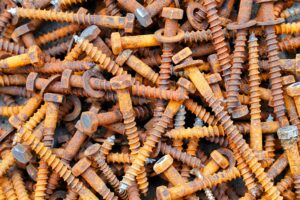
Ceiling rust is a process that is used to refer to the corrosion of metal ceiling products that were previously exposed to humid and chemical-filled air over an extended time. This can be intruding on steel beams, fasteners, suspended ceiling grids, light housings, ducts, and even painted surfaces. Protective coatings are destroyed over time in the presence of moisture and chlorine gases, such that oxygen can react with the metal underneath. The outcome is rusting, peeling, pitting, and ultimately structural weakening.
In comparison to outdoor corrosion, indoor pool rust may be unnoticed until the time the serious damages are already done, as they are formed higher than eye level and behind the ceiling finishes.
What People Mean When They Search “Ceiling Rust in Indoor Pools”
The majority of individuals who enter this query are not simply interested in knowing about such a problem, but they already see some indications. They are able to see brown spots on the ceiling, peeling paint, or rust, or smell a lot of chlorine. Homeowners may be concerned about the high costs of repairs, whereas facility managers may be concerned with the safety breach.
But in fact, this search normally implies:
- Why is my indoor swimming pool ceiling rusting?
- “Is this dangerous?”
- But how can I prevent it and correct it before I make matters worse?
Why Ceiling Rust Is a Serious Indoor Pool Problem
Ceiling rust is not an aesthetic feature but an indicator that the building is being ruined by the environment. Corrosion causes structural components to be weak, shortens the life of HVAC systems, and emits particles into the air. Otherwise, it may cause falling debris or water leaks, or ceiling collapse, or mold. It could also mean that there are code violations, insurance, and liability issues in commercial spaces.
Introduction: Who This Guide Is For (Homeowners, Builders, Facility Managers)
This guide is written for:
- Homeowners with inside pools who desire to hedge their investment.
- Construction and architects who make the pool rooms durable.
- Safety, air quality, and compliance managers of the facility.
This information has a direct impact on the health of your building in case you are managing, owning, or designing an indoor pool space.
How Ceiling Rust in Indoor Pools Develops
The rust process does not occur instantly. It is developed gradually through the rise of warm and wet air, which carries vapors of chlorine to the ceiling, where they condense on cold metal. In the event of protective coating failure, corrosion starts beneath the surface and spreads without visible evidence until damage occurs.
Role of High Humidity and Condensation
Moisture is emitted by indoor pools all the time. As the humidity goes above the safe levels, warm vapor escalates and condenses on cold ceiling materials. This free water allows oxygen to react with the bare metal, accelerating the rusting process.
Sulfur IV Chloride and Corrosive Pool Air.
The chlorine combines with the organic contaminations and forms the chloramines, which are highly corrosive gases that rise to the ceiling. Such vapors hit the surfaces of metals, eliminate paint coats, and seep into joints and fasteners.
Poor Ventilation in Pool Rooms
When there is no circulation of the air, polluted humid air does not have a way to escape into the air. This clogged layer produces an area of corrosion that erosion eats through structural elements at a high rate.
Metal Ceilings and Structural Vulnerabilities
Particularly vulnerable are light fixtures, the HVAC ducts, and steel beams, as well as the suspension grids. It becomes rusty and then spreads between the layers, leading to loss of strength.
Risks & Consequences
Structural Damage
Rust compromises load-bearing structures, increases collapses, and impacts roof decks and ductwork.
Health and Air Quality Risks
Metal rusts and deteriorates the quality of the indoor air. Gases of chloramine have the ability to irritate the eyes, the lungs, and the skin.
Cost of Ignoring Ceiling Rust
The cost of postponed repairs includes complete ceiling coverages, HVAC repairs, and even shutdown of the building, which is much more expensive than timely repairs.
Inspection & Early Detection

Signs of Ceiling Rust
Brown spots, cracking paint, falling metal, dripping water, and the smell of chlorine beside the ceiling.
How to Inspect Safely
Inspect suspended ceilings using a flashlight and protective equipment. Search on ducts, beams, and fasteners.
When to Call a Professional
In case rust is rampant, structural, or falling, a pool HVAC or structural expert is necessary.
Solutions (Fixes)
Removing Rust
Light corrosion is wire-brushed and subjected to rust converters.
Anti-Corrosion Coatings
Metal can be shielded by the use of epoxy and zinc-rich coating against chemical attack.

Replacing Materials
The damaged parts should be replaced with noncorrosive materials.
Short Term vs Long Term
The solution helps to alleviate the symptoms in the short term, and the temperature and humidity control help to overcome the problem.
Prevention Systems
Proper Ventilation
A natatorium HVAC system eliminates humid, corrosive air prior to it touching the ceiling.
Dehumidification
Seals the moisture to prevent condensation.
Safe Humidity Levels
Maintain a humidity of 50 to 60.
Corrosion-Resistant Materials
Painted with PVC, stainless steel, aluminum, and closed finishes.
Real-World Applications
- Residential pools: They are the victims of inadequate HVAC.
- Hotels & gyms: Corrosion is prone to high use.
- Case study: A hotel changed corroded beams and installed the dehumidifier—no more corrosion several months after.
Maintenance & Best Practices
Checklist
- Monthly visual inspections
- Clean vents
- Monitor humidity
Inspection Frequency
Every 3–6 months.
Common Mistakes
Lack of humidity, ordinary paint, and stuffing of vents.
FAQs
Can chlorine cause ceiling rust?
Yes. Chloramines are very aggressive corrosives of metals.
Ideal humidity level?
50–60% RH.
Cost to fix?
Between simple surface finishes and complete replacement of the ceiling, depending on the extent of damage.
Conclusion
The problem of ceiling rust in indoor pools is not only very superficial: it is an obvious indication that there is an imbalance in the environment inside the pool room. The humidity level, the presence of vapors of chlorine, and the lack of proper ventilation of the premises, together with the sensitive metal material, are the combination of which the corrosion process starts and develops noiselessly over your head. What may begin as a few stains or, at this point, as flakes may easily grow into structural damage, health risks, and expensive repairs when it is not handled.
The positive side is that the rusting of the ceiling can be prevented and managed. The right ventilation and dehumidification systems, the corrosion resistance of the materials, and the frequent schedule of the checkups can help maintain your indoor pool area in decent condition during the next few years. As a homeowner, builder, or facility manager, it is cheaper to procrastinate than wait until the damage is clear.