
Basic Chlorine in Outdoor Pools: Explanation
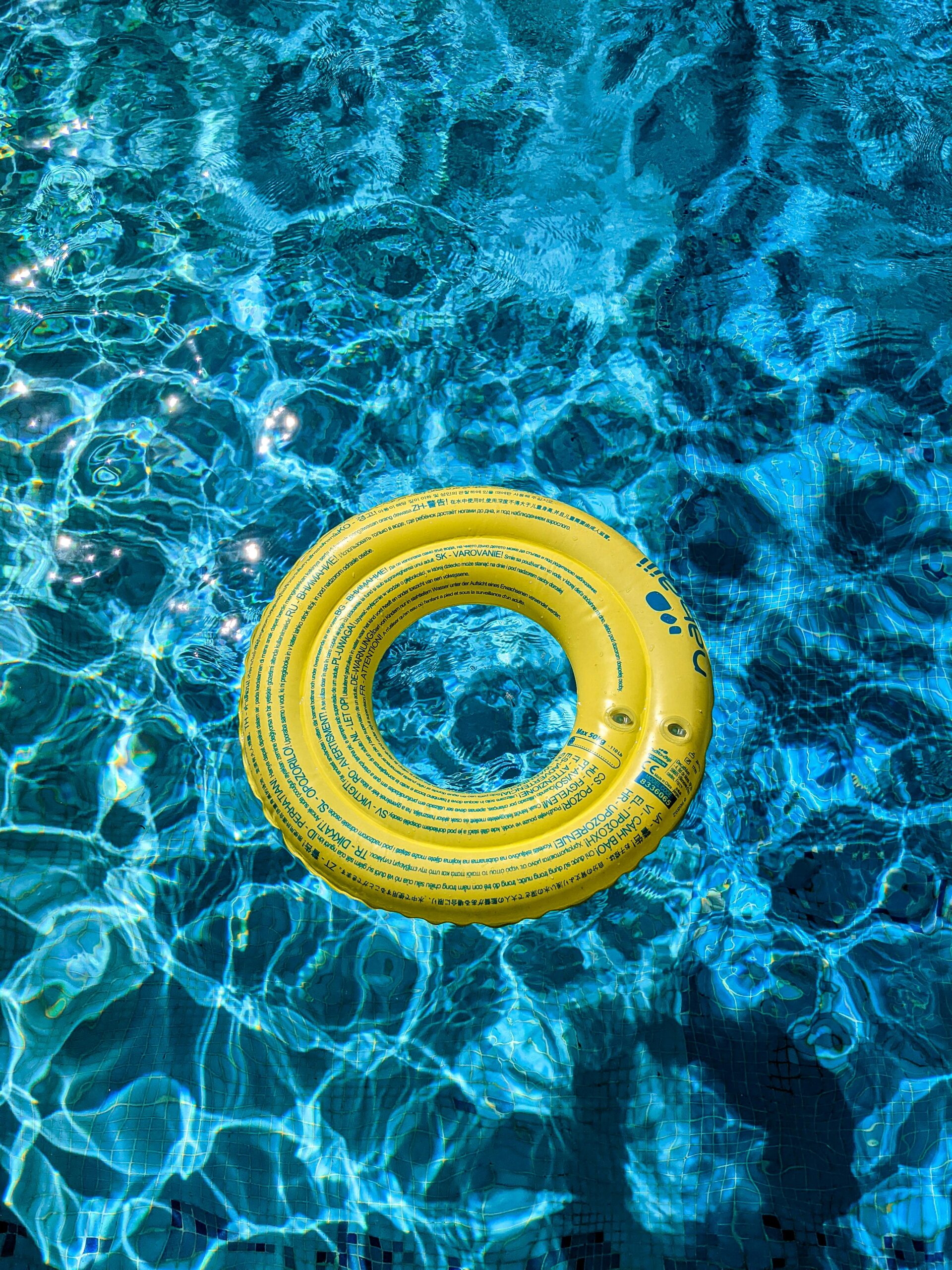
Chlorine is the primary chemical used in maintaining the water in outdoor swimming pools. It works by killing the germs, bacteria, and algae that naturally grow in the water as individuals swim, sweat, or bring dirt into the pool. Outdoor pool water would soon be unsafe, slick, and opaque without the addition of chlorine. In simpler terms, chlorine is the reason why swimmers do not get ill when resting in an open pool.
What People Mean When They Search “Chlorine in Outdoor Pools”
When individuals use this phrase in search engines, they are likely to be looking to learn such things as
- Is chlorine safe?
- Why does my swimming pool stink of chemicals?
- How much chlorine is required in the water?
- Is it bad for the skin or the eyes?
Not only is chemistry a matter of concern here, but so are matters of health, comfort, and water quality. People are curious to learn whether their pool is safe and how they are to use chlorine.
The Reason Why Chlorine Is In the Outdoor Pools
Examples of repeated exposure to outdoor pools include:
- Sunlight
- Wind and dust
- Leaves and insects
- Sweat, sunscreens, and body oils of swimmers.
All this nourishes bacteria and algae. Chlorine is employed as it is fast to kill these disease-causing microorganisms and will ensure the water is clear, odourless, and safe. No other is such a dependable and economical one for a large outdoor pool.
Who This Guide Is For (Homeowners, Swimmers, Pool Managers)
This guide is for:
- Owners of backyard pools.
- Athletes who are concerned about their skin and health.
- Managers in charge of pools in the public, hotel, or school pools.
Every person who goes swimming or maintains an outdoor pool will find it easier to know more about chlorine.
The operation of Chlorine in outdoor pools
The way Chlorine kills Bacteria and Algae
Once this chlorine is added to the water of a pool, it is mixed with water to form a strong disinfectant called hypochlorous acid. This material destroys the cells of bacteria, viruses, and algae before they can reproduce. It is what makes the water clear and inhibits infections.
How Sunlight Affects Chlorine in Outdoor Pools
Chlorine is destroyed by the UV radiation of sunlight. This occurs very fast in an outdoor pool, particularly during hot sunny days. This implies that the amount of chlorine in the pool can decrease at an unanticipated rate and thus become unsafe without supervision. That is the reason why outdoor pools require a higher rate of chlorine adjustments as compared to indoor pools.
Free Chlorine vs Combined Chlorine Explained
- The active chlorine that is killing germs is free.
- Combined chlorine, referred to as ‘reactive chlorine’, is chlorine that has reacted with waste and sweat.
The odour of strong chlorine indicates that it has excessive amounts of combined chlorine and not an overabundance of clean chlorine. Good pool water contains a higher level of free chlorine and a low level of combined chlorine.
Chlorine in Outdoor Pools vs Indoor Pools
Excess chlorine is lost in outdoor pools due to:
- Sunlight
- Wind
- Higher contamination
The indoor pools retain chlorine longer but entrap the chemical fumes. Outdoor pools are also more frequently tested, and their air is healthier.
Is Chlorine in Outdoor Pools Safe?
Short Answer: Is Pool Chlorine Harmful?
Chlorine is harmless and can be used in an appropriate amount. It is dangerous only in excessive and inadequate quantities.
Health Impact of Chlorine in Outdoor Swimming Pools
Proper chlorine prevents:
- Ear infections
- Stomach illness
- Skin infections
Lack of balanced chlorine may result in:
- Eye irritation
- Dry skin
- Breathing discomfort
Skin, Eye, and Hair Effects
Natural oils are stripped by chlorine, and this is the reason why the skin becomes dry and the hair rough after swimming. Rinsing and moisturising help avoid damage.
Correct Chlorine Content in Swimming Pools
Optimal Chlorine concentration for safe swimming
The safe range is between one and three parts per million (ppm) of free chlorine.
What Does Chlorine do when it is too high or too low
Too low:
- Bacteria grow
- Water turns cloudy
Too high:
- Eyes burn
- Skin irritates
- Strong chemical smell
Testing Chlorine in Outdoor Pool Water
Test strips or liquid kits should be used at least 2 or 3 times a week, particularly during hot weather.
How to Maintain Chlorine in Outdoor Pools

How Often to Add Chlorine
In the majority of outdoor pools, chlorine is required within a few days, more frequently during summer.
How Weather and Sun Change Chlorine Levels
Chlorine is reduced at a quicker rate by heat, sunlight, and rain, as well as heavy swimming.
Stabilisers and Chlorine Protection
Cyanuric acid (pool stabilisers) ensures that chlorine is not destroyed by the sun, and therefore it lasts longer without the need to add additional chemicals.
Using Chlorine in Outdoor Pools in Real Life
For Backyard Pool Owners
Test frequently, stabilise, and maintain chlorine within the safe range.
For Public and Hotel Pools
Check the pool regularly every several hours and shock the pool.
For Families and Children
Train children to take a shower bath before entering a swimming pool and to rinse after taking a bath to reduce the irritation of chlorine.
FAQs
Is chlorine bad for your skin?
Not at the right levels, but it is capable of drying skin.
How long does chlorine last in sunlight?
A few hours without a stabiliser.
Can you swim if chlorine smells strong?
No, that is to say, bad water quality.
Does saltwater make better sense than chlorine?
Chlorine is also utilised in the saltwater pools, but it is made differently.
Conclusion
Clearness and purity of water require chlorine in the outdoor pools. Used in proper ways, it shields swimmers against disease-causing germs and keeps water comfortable. Learning the properties of chlorine that keep pools clean, the effect of sunlight on chlorine, and the way to maintain adequate proportions will help the pool owners and swimmers to enjoy outdoor pools without health hazards and inconvenience.