

Introduction: Why High-Tech Indoor Pool Maintenance Matters
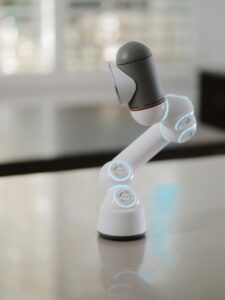
The process of keeping an indoor pool is way beyond swimming in the water and checking the chlorine levels. The system of indoor pools is complicated, involving water quality, air quality, humidity, and circulation. The conventional ways of maintenance are not usually sufficient in providing a really healthy pool environment. Here is the role of the high-tech indoor pool maintenance, i.e., a combination of automation, sensors, and the latest water treatment systems, i.e., the one that simplifies the maintenance, enhances the water safety, and minimizes the operational costs.
What is High-Tech Indoor Pool Maintenance?
High-tech indoor pool maintenance is the tendency to use modern technologies in every sphere of pool maintenance. These are intelligent chemical dosing systems, automatic water sensors, hi-tech filtration, UV or ozone water purification, robotic cleaners, and environmental management systems. With the help of these tools, the owners of the pool, as well as the facility managers, can maintain the good quality of water, humidity, and the development of algae, and reduce the number of manual activities.
How Indoor Pools Differ From Outdoor Pools in Maintenance
There are several special problems of indoor pools as opposed to outdoor ones:
- Air quality issues: The accumulation of chloramines due to the lack of proper ventilation leads to strong smells and respiratory irritation.
- Humidity management: Indoor pools produce a lot of moisture that may destroy structures without its management.
- Scarce natural light: This makes natural algae control limited, altering chemical stability.
- Energy efficiency requirements: Indoor systems can need heating, ventilation, and dehumidification, which are less of a concern when it is outside.
Sophisticated solutions directly meet those issues that are indoor-specific.
Key Benefits of Using Advanced Maintenance Technologies
The installation of high-tech maintenance systems has many benefits:
- Uninterrupted water quality: Sensors and automatic dosing maintain the accurate chemical balance.
- Less work and human error: Automation will reduce the amount of human involvement.
- Improved air and humidity regulation: Smart HVAC and dehumidification systems avoid structural losses and offensive smells.
- Energy efficiency: Modern circulation and heating technologies reduce the costs of operation.
Active problem identification: Active monitoring establishes problems before they are expensive to correct.
Understanding the Basics of Indoor Pool Maintenance
Knowledge of the basics of indoor pool care is necessary, even with the high-tech systems. Technology is improving the maintenance, but does not replace the knowledge of fundamentals.
How Air Quality and Humidity Affect Maintenance
The comfort of the swimmers and the construction of a pool directly depend on the air quality of the interiors:
- Chloramine buildup: When there is no adequate ventilation and air cleaning, there is an accumulation of chloramine, which causes strong odors and breathing problems.
- Over moisture: May cause condensation, fungal growth, and rusting of the metal parts.
- Temperature gradients: This is because water evaporation and energy consumption will be hindered due to poor air distribution.
These factors are automatically controlled and monitored by high-tech systems to have a healthier environment.
Common Mistakes in Indoor Pool Maintenance
- The typical errors made in the maintenance of indoor pools.
- Based on hand-drawn chemical testing and dosing.
- Neglect of the air quality and humidity control.
- Failure to take the initiative to maintain pumps, filters, and the HVAC system.
- Applying old cleaning techniques that are not able to access concealed areas.
Libraries of High-Tech Tools and Systems
The present-day maintenance of indoor pools is based on the library of new equipment and technologies. These systems collaborate to streamline pool health and minimize the workload.

Smart Chemical Dosing and Automated Monitoring Systems
Automated dosing systems are sensors that continuously control chlorine and other water parameters as well as pH. They control chemical concentrations in real time, keeping them flawlessly balanced and minimizing chemical waste.
UV, Ozone, and Advanced Oxidation Technologies
Chlorine is not the sole requirement in UV and ozone systems in order to disinfect water. The main benefits of advanced oxidation processes are the elimination of organic contaminants, minimization of chloramine generation, and enhancement of water clarity.
High-Tech Filtration and Circulation Systems
Recent filtration types like the regenerative DE filter and variable speed pumps boost water circulation and save power consumption as well as efficiency in clearing debris.
Indoor Pool Dehumidifiers and Air Quality Control Systems
To avoid condensation and structural damage, high-tech dehumidifiers can sustain optimal indoor humidity (4060). These systems also eliminate chloramines and enhance the quality of air in general, coupled with smart HVAC.
Smart Pool Robots and Robotic Cleaning Solutions
Robot pool cleaners minimize the amount of scrubbing done by hand, and reach the bottom, side, and stairs. They are mostly linked to smart systems so that they can operate as per maximized cleaning schedules to promote effectiveness and reliability.
Step-by-Step High-Tech Indoor Pool Maintenance
How to install Smart Monitoring Systems
- Install sensors to control the quality of water at various locations.
- Link sensors to one of the automated dosing systems.
- Establish warning levels of pH, chlorine, temperature, and humidity.
- Connect to a remote monitoring mobile or web application.
Using Automation to Maintain Water Chemistry
Automated chemical dosing minimizes the errors of humans. The system uses real-time data to adjust the levels of sanitizers and records the data to comply with or review maintenance.
Best Practices for Cleaning and Filtration with Modern Tools
- program robotic cleaning machines and pumps to optimally clean.
- Filters should be checked and changed regularly to ensure efficiency in the flow.
- Supplementary disinfectant is UV or ozone treatment.
Scheduling Preventive Maintenance Using Technology
Smart systems will be able to send alerts about:
- Filter backwashing or replacement.
- Pump lubrication and inspection.
- HVAC and dehumidifier inspection.
- Calculation of water parameters.
The preventive approach will reduce the waste of money on downtime and life support equipment.
Case Studies and Applications in the Real World
How Commercial Facilities Use High-Tech Pool Systems
Hotels, fitness centers, and wellness centers are fitted with integrated systems in order to keep the water clean, humidity controlled, and energy used efficiently, where various pools are remotely controlled via centralized screens.
Residential High-Tech Indoor Pool Examples
Smart sensors, robot cleaners, and anenergy-efficientnt pumps are also part of luxury homes to ensure the pools are pristine, and a few hands-on efforts are required to keep them clean.
Energy-Efficient Maintenance Solutions
Variable-speed pumps, heat recoveries, and smart HVAC fitments can decrease the use of electricity and water, and thus, high-technology maintenance is environmentally friendly and affordable.
Troubleshooting Common Problems with Advanced Tools
The majority of problems are sensor calibration errors, the work of the pump, or software glitches. These problems are avoided by checking the system regularly and following the instructions of the manufacturer.
Maintenance for Different Indoor Pool Types
Heated vs. Non-Heated Indoor Pools
Heated pools must be carefully observed in terms of temperature to prevent a chemical imbalance. Automation will provide a stable temperature and heating that is energy-efficient.
Saltwater vs. Chlorinated Pools
Chlorine is obtained by means of saltwater systems. Intelligent monitoring will make sure that the levels are not corroded or that the skin does not get irritated.
Pools With Special Surfaces or Features
The pools of fiberglass, vinyl, or tiles in question demand special cleaning procedures. Robotic cleaners, surface-specific brushes do not cause damage and guarantee complete maintenance.
Maintenance Add-Ons, Tools, and Accessories
IoT and Smart Pool Apps Integration.
Remote control, data logging, and real-time alerts are offered in mobile apps, so the owners of the pool can check various parameters remotely.
Automated Cleaning Devices vs. Manual Methods
Robot cleaners save labor, and cover parts of the house which manual cleaners overlook, whilst still permitting the manual repairs of corners and edges occasionally.
Accessories to Monitor and Optimize Indoor Pool Performance
- Water chemistry kits
- Flow meter and pressure gauges.
- HVAC monitoring sensors
- Automation systems of pool covers.
Common Problems in High-Tech Indoor Pool Maintenance
Problem of Advanced Systems Failure and its Cure
The most frequent failures are incorrect sensor calibration, clogged filters, or software glitches. Routine system maintenance and check-ups ensure that systems remain in operation.
Signs You Need Professional Intervention
- Continued turbidity of water even after automation.
- Abnormal smell or more than normal chloramine concentration.
- HVAC/dehumidifier failure.
- Irregular chemical measurements.
Elimination of Malfunctions and Downtime-saving
- Normal check and calibration.
- Documenting performance examination.
- Anticipating parts replacement.
- Redundancy integration in the key systems.
FAQs About High-Tech Indoor Pool Maintenance
What Are the Most Effective High-Tech Tools for Indoor Pools?
The most effective ones are automated chemical dosing, UV/ozone systems, smart filtration, robotic cleaners, and dehumidifiers.
How Much Does High-Tech Indoor Pool Maintenance Cost?
Depending on the complexity of the system, the pool size, and residential/commercial type, he prices vary. Under automation, labor cost is likely to be reduced over time against the cost incurred.
Can Smart Systems Replace Manual Maintenance Entirely?
No, though automation saves manual labor, periodic inspection by man, surface cleaning, and preventive maintenance should be done.
Conclusion: Keeping Your Indoor Pool Clean, Efficient, and High-Tech
The high-tech maintenance of the indoor pool is a complex of automation, intelligent sensors, and new technologies in the maintenance of water purification to simplify care and guarantee an ideal environment. Through this combination of modern tools and good practices, owners of the pools and managers of the facilities will have access to cleaner water and safer environments, less labor, and operations that are energy efficient. Indoor pools of all types visitation be it residential pools or commercial pools, it is advisable to implement hi-tech maintenance methods to keep your swimming pool clean and efficient to use all year round.