
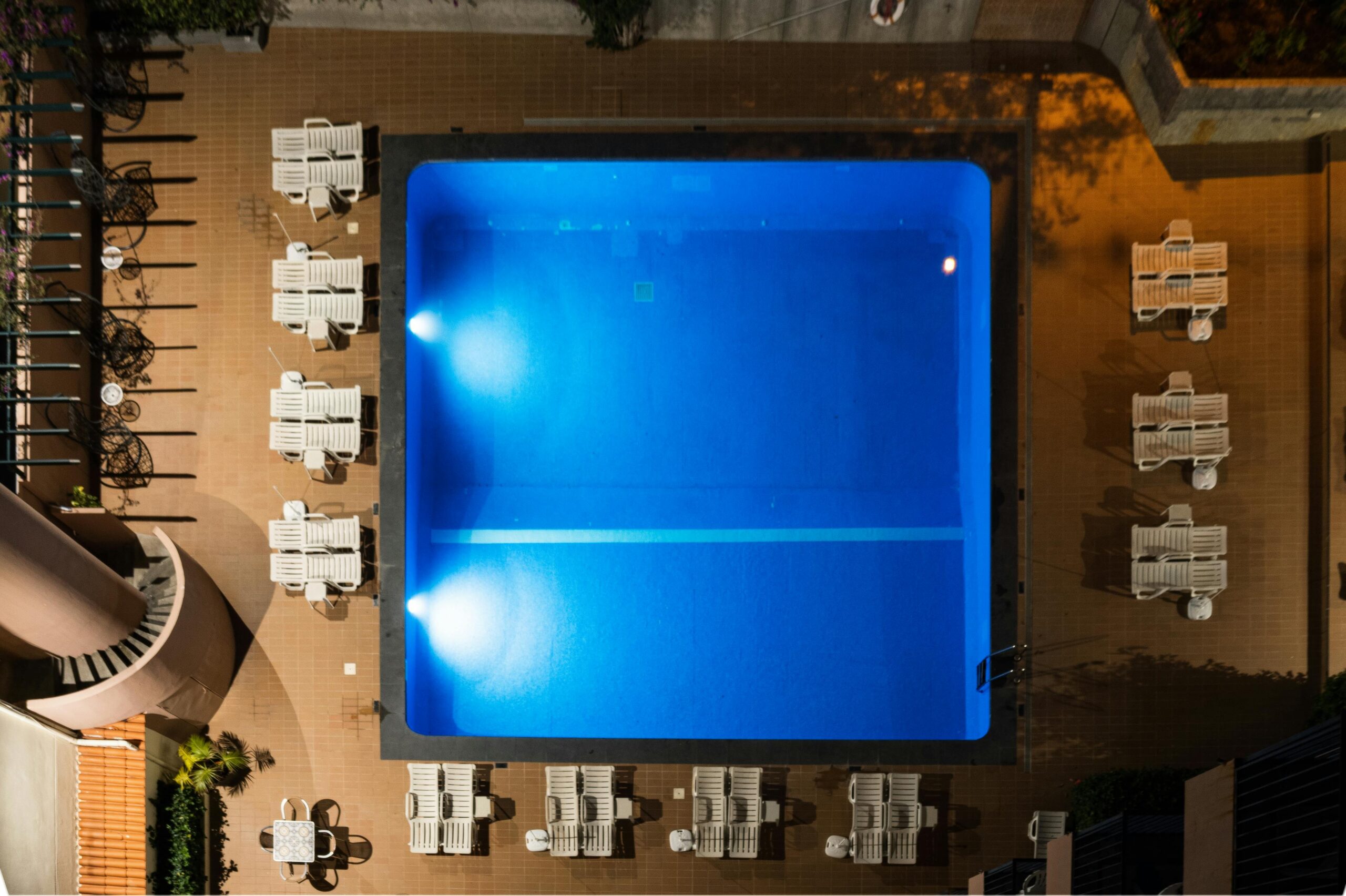
What Is Pool Resurfacing? (The Basics Explained)

Pool resurfacing is a process that uses a new coat to cover/treat the existing coating/finish of your pool; essentially, to restore its look, safety usage (non-slip), and structural soundness (not developing hardware problems) to how it looked, & was safe and structurally secure when it was new. All surfaces of your pool have had constant exposure to water, chemicals, UV rays, and changes in temperature; thereby causing each of them to deteriorate over the life of the pool. Stain or rough patches on the surface of your pool can develop into large cracks, leaks, and be the source of costly repairs to your pool.
To resurface your pool does not mean rebuilding your entire pool; it means applying a new finish to the inside of your pool (the part that you see and touch). A properly done resurface usually will make your pool look brand new and extend its life for many additional years.
What Does Pool Resurfacing Involve?
At a fundamental level, pool resurfacing consists of four parts: draining your pool, performing any surface preparation necessary for good adhesion of your new finish, applying your new finish, and then curing the new finish properly before refilling the pool.
To prepare your surface for the application of your new finish, the contractor will remove either the entire surface with complete removal of any old coating through chiseling it off, or remove it by the grinding or blasting method to create a suitable surface to apply the new coating. While the previous finish is being removed, the contractor will also repair any structural issues with the previous pool surface (cracks, hollows, etc) to provide a suitable surface upon which to apply your new interior pool finish (plaster, pebble, quartz-anodized or plated, fiberglass coating, or tile). When this is completed, a blank surface will be available for the new interior pool coating to be installed.
When a new pool surface has been added, there is one last, and often unappreciated, stage in this project: curing. The purpose of curing is to ensure the longevity, smoothness,s and chemical resistance of the new surface. Most people skip curing or just hurry through it. When that happens, the fresh surface won’t last nearly as long. Each moment saved now costs months later. Patience here shapes how well it holds up.
Pool Resurfacing Keeps Surfaces Safe and Functional Over Time
Pool surfaces are not permanent. The constant pressure from the water, fluctuations from chemistry balancing, and exposure to the sun will all contribute to the degradation of almost any pool surface, even the highest quality products available on the market.
If a pool starts to show small surface problems, and it is not resurfaced, these small issues can develop into much larger and more expensive problems. A pool that has a rough finished surface will cause skin abrasions. Water sneaking under a cracked pool surface might slowly eat away at the structure, inviting leaks. Discolored patches often whisper of chemicals gone rogue, biting into the finish.
Resurfacing:
- Provides structural protection
- Maintains waterproof integrity.
- Provides a comfortable experience when swimming
- Restores aesthetic appeal
- Increases the value of the property
Most times, fixing a pool’s surface costs less than ignoring it until bigger damage shows up.
Pool Resurfacing Frequency?
The frequency at which a pool will need resurfacing will be greatly dependent upon the material used and the degree of care and cleaning the pool has received during its lifetime.
- Plaster Pool Surface: 7 to 12 Years
- Quartz Pool Finish: 10 to 15 Years
- Pebble Pool Finish: 15 to 25 Years
- Fiberglass Coating: 15 to 20 Years
- Tile Surface: More than 20 Years if Installed Correctly
However, regardless of the type of material utilized, resurfacing can be accelerated by excessive use, poor water quality, and extreme weather conditions. A properly cared-for pool might last longer than the typical lifespan of its new surface material.
Signs that a Pool Needs Resurfacing
While hairline cracks often appear to be harmless and may not appear very large, they will likely widen as time passes. Structural cracks, hollow spots,s or flaking plaster can cause surface problems to develop into major problem areas. Some pockets of water can develop under a finish, causing a lack of water integrity for the pool shell. While not all cracks will result in a complete pool resurfacing, if there are numerous cracks, you almost always should resurface.
Cracks and Structural Damage
Walking across a pool floor that feels off, maybe rough or uneven, means the surface has started to break down over time. If the surface of the pool has an extremely rough appearance, there is a good chance that the cement layer supporting the pool surface (underneath the finish) is not a sturdy surface to walk on, leaving, with the cement missing, there will be exposed aggregate underneath the pool finish.
Rough or Stained Pool Surfaces
Resurfacing your pool starts with a decision on the material to use. Each type of resurfacing option has advantages and disadvantages. There is variation regarding longevity, aesthetics, feel, and price on all resurfacing options. If the surface of the pool has an extremely rough appearance, there is a good chance that the cement layer supporting the pool surface (underneath the finish) is not a sturdy surface to walk on, leaving, with the cement missing, there will be exposed aggregate underneath the pool finish.
Stains that appear to be on the pool surface and do not respond to any cleaning methods or harsh chemicals may be indications of heavy etching in the pool surface and are generally an indication to resurface.
Water Leaks and Lost Supply
Water slipping away from your pool without reason might point to worn pipes, tiny splits in the shell, or spots where material has washed out. When pipe issues are confirmed absent, renewal of the interior layer becomes essential to bring back a full seal against leaks.
Fading, Discoloration, or Etching
When you have low pH or a chemical imbalance, the finish will be chemically etched and result in a permanently discolored finish. Finish can also fade due to prolonged exposure to the UV factor of the light.
Pool Resurfacing Materials and Finishes
Pool resurfacing? Material choice matters more than most think. One after another, options show up with trade-offs: longevity here, look there, texture somewhere else, cost always tagging along. Pick one; you’re stuck balancing these things.
Plaster Resurfacing
Plaster is the most widely used and inexpensive material option. It provides a classic smooth white or light surface. Although inexpensive, compared to higher-quality materials, plaster is much more porous. Most of the time, plaster doesn’t hold up as well as higher-end options. Though it works okay at first, its life span tends to be shorter when compared side by side.
Perfect if you want a fresh surface without spending much, yet still like something simple and timeless. Homeowners on a budget often pick this for its straightforward charm.
Pebble Finish Pool Resurfacing
Starting smooth, pebble pool coatings mix cement with bits of real stone. Tough stuff handles heavy use without wearing down fast. Chemicals splash around? No problem here. These surfaces shrug them off easily. Colors pop in many shades you might not expect at first glance. Textures range from fine grains to bumpy feels underfoot. Each finish brings something different to the surface.
Perfect if you want a tough coating that still feels elegant, like it belongs on fine woodwork at a quiet country estate. Homeowners who pick this usually care about long life plus how softly light plays across the surface. Toughness matters, yet so does warmth – a balance few finishes manage well.
Quartz Pool Finishes
A Quartz Finish combines plaster with crushed quartz crystals, ls making them very strong and more resistant to stains compared to plaster only. They have a smoother texture than pebble and last longer than regular plaster.
Best for people wanting a good combination of durability and smooth,oth relaxing comfort.
Fiberglass Pool Resurfacing
Fiberglass resurfacing uses a gelcoat to cover over the current surface, creating a very smooth and nonporous surface that resists algae growth.
Best for: Pools that were originally built out of fiberglass or those wanting less maintenance.
Tile Pool Resurfacing
Tile is the best and most expensive option available. Beauty like nothing else, yet the price tag for setup bites hard. Built to last, though getting it in place drains wallets fast.
Perfect when luxury pools matter most, also ideal for those focused on long-lasting beauty. Homeowners pick it because its looks stay sharp over time, plus materials hold up well under the sun and water. Style stays strong even after years of use, making it a go-to where appearance counts but toughness matters just as much.
Average Pool Resurfacing Cost
Most homeowners will spend $4000-$15000 to have their pools resurfaced; prices vary greatly between pools based on their size and the material chosen, and it is not uncommon to find that larger pools of premium materials will cost more than $15000. All additional upgrades would add to the total resurfacing cost.
Cost by Material Type
- Plaster: typically the lowest cost
- Quartz: mid-range pricing
- Pebble: higher-end
- Tile: premium pricing
Material choice significantly impacts the total investment.
Labor vs. Material Costs
Resurfacing a pool can cost you between 40%-60% labor. Because a professional who has experience preparing the surface of your pool will directly affect how durable your new surface will be, you must choose a qualified contractor.
Factors That Affect Pool Resurfacing Cost
- Size/Shape & Depth of Pool
- Condition of Surface
- Repairs Required
- Finish Material
- Geographical Area
- Accessibility of the Pool
Additional upgrades, such as tile replacement or coping repair,r increase costs.
Pool Resurfacing Steps
Homeowners who understand resurfacing tend to estimate timing more clearly. What happens step by step shapes what comes next. Each stage sets the pace without surprises. Time shifts based on what the work involves. Clarity about tasks keeps guesses close to reality.
Draining the pool
Water leaves the pool entirely while workers watch pressure levels closely. This keeps the structure stable during the process.
Surface Preparation
Chips come off first, either scraped, sanded, or blasted from the pool’s face. Cracks show up next – each one checked before patching begins. Once filled, the base stands ready, set for what sticks to it later.
Applying the New Finish
After that, spread the selected coating across every part of the pool without skipping spots. Using the right method while working helps keep the layer consistent and avoids rough patches. A steady hand leads to a flat, uniform result.
Curing and Refilling
After the coating hardens fully, refill the pool slowly. Watch pH levels closely at first; off-balance minerals can eat away at new surfaces before you notice. Unexpected shifts happen fast in those first few weeks.
DIY vs. Professional Pool Resurfacing
Though home repair sets are available, tackling this job isn’t meant for newcomers.
Pros and Cons of DIY Pool Resurfacing
Pros:
- Lower upfront cost
- Flexible scheduling
Cons:
- High risk of improper bonding
- Surface imperfections
- potential voided warranty
- Deciding on Hiring a Pool Resurfacing Professional
When to Hire a Pool Resurfacing Contractor
All a pro to redo the pool surface. A solid fix often needs more than just patching; skilled hands make it last longer. Should the damage look serious, skip shortcuts and bring someone experienced on board. Tough wear means tough choices: better materials usually mean hiring out.
How Long Does Pool Resurfacing Last?
A fresh pool finish can last quite some time when the materials are solid and the work is clean. How often you care for the water plays a big role, too. A few seasons might pass quickly under rough conditions. Good steps taken early tend to stretch things out. Longevity hides in the details most overlook.
Lifespan by Material Type
Compared to plaster resurfacing materials, pebble and tile resurfacing materials will last longer and will require less frequent resurfacing. However, plaster resurfacing is less expensive initially than tile or pebble resurfacing.
Maintenance Tips to Extend Surface Life
- Keep the pool water chemistry balanced
- Regularly brush the pool surface
- Do not use abrasive cleaning tools for cleaning
- Have hairline cracks repaired before they turn into larger cracks
Using proper maintenance will add years to the life of your resurfaced pool.
Real-World Pool Resurfacing Examples
Having real examples will help you visualize the effect that resurfacing a pool will have.
Residential Pool Resurfacing Case Study
Out back, a fifteen-year-old plaster pool had started to stain. Rough patches showed up under fingers running along the sides. A new quartz-based coating changed how it felt beneath the hands. Water took on richer tones after the work finished. Cleaning slowed down, too; fewer chemicals were required each week. Toughness increased where cracks once formed near steps. Smooth surfaces now stayed clear longer between washes.
Before and After Pool Resurfacing Results
Crystal water now replaces what once looked tired and worn. Cracks used to split the old shell like dried earth. A fresh coat hides those flaws completely. Stains that stuck for years are gone without a trace. The texture feels even under bare feet today. What was rough now runs smooth to the touch. Light bounces off differently across the new layer. Modern lines give it a look built for right now.
Common challenges and solutions
Hidden cracks sometimes show up mid-job, catching even seasoned crews off guard. When repairs go beyond plan, price tags shift without warning. When clouds gather or skies clear, routines tend to follow the weather’s lead, not our own. People familiar with such shifts adapt quickly, holding steady even when arrangements fall apart.
FAQs
Why does pool resurfacing usually take around ten days to finish?
Pool size matters when figuring out timing. Repairs needed play a role, too. The curing speed of the fresh surface changes things. Some jobs wrap up in five days. Others stretch close to ten.
Could you renew a pool without draining it first?
Oddly enough, you need to drain all the water out first when resurfacing a pool – this helps the new layer grip properly. If even a little remains inside, the surface prep fails, so adhesion breaks down fast.
What is the best finish for pool resurfacing?
Peeling back the layers, pebble and quartz stand out when it comes to lasting appeal. Still, what ends up swaying choices often boils down to cost alongside individual taste. One leans on budget realities, the other on how things feel to the eye.
Is pool resurfacing worth it?
Without a doubt, refreshing the surface helps keep your pool strong over time – while also improving safety and looks. This kind of update quietly boosts property worth, too, turning it into a smart move that pays off later.
Conclusion
Pool resurfacing isn’t just about appearance actually protects what lies below. Cracks widening? Tiles shifting? These hint at deeper damage taking place. Catching them sooner prevents minor flaws from turning into major fixes. Materials react differently when facing the sun, rain, or constant use. A few endure years longer, though they ask for more money at the start. Later on, how well it holds up counts more than a slick surface that pleases at first touch. Not every affordable option lasts without extra care, showing up earlier than expected.
When numbers line up side by side, what happens years down the road weighs more heavily than price tags alone. Getting the upkeep right from the start shapes how things turn out much farther ahead. Guesses fade once real details step into view, making decisions settle faster.
Whatever finish you pick, plaster for savings, quartz for charm on a budget, pebble if it must last, fiberglass when upkeep needs to stay light, or tile for elegance, the real secret hides beneath the surface. Getting the base ready right comes first. Then, hands that know how to make it stick. Afterward, only steady care of what floats in the water keeps it right. Miss one step, and the whole thing fades faster.