
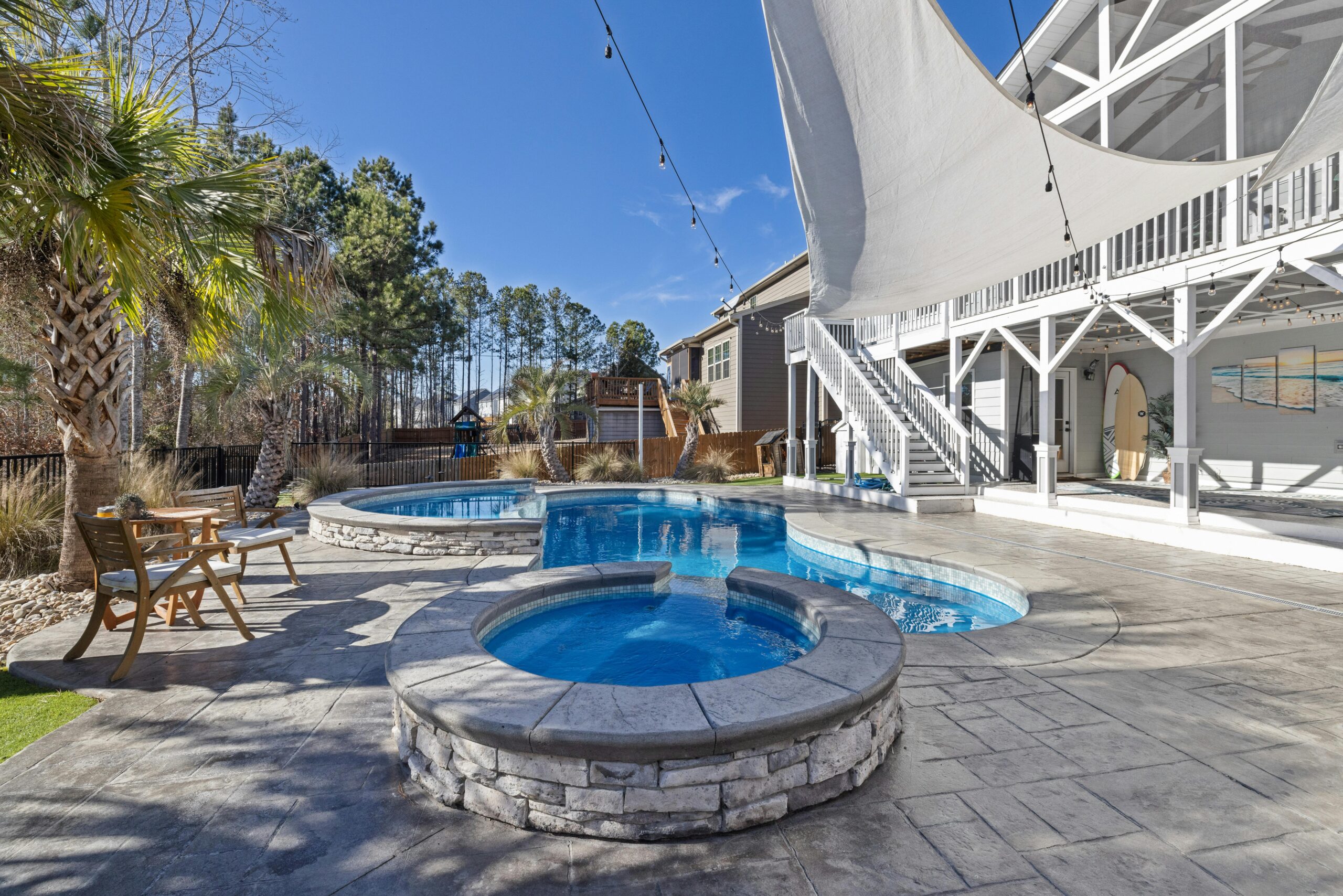
What Is a Paver Patio with Pool?

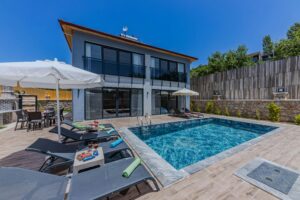
Starting at the edge of the house, small stone blocks lock together to make a solid surface near the swimming pool. These pieces handle foot traffic, furniture, plus daily use without cracking easily. From stepping out the back door to sunbathing nearby, each section supports movement and rest. Unlike flat concrete, the layout allows slight shifts in terrain while staying stable under bare feet.
Pouring rain or freezing temps? Pavers cope, thanks to how they’re set; each piece is laid separately on firm ground. Not one solid sheet like poured concrete, but loose units working together under stress. Movement happens without cracking because the gaps between allow subtle shifts. Heavy steps, wet soil, seasonal swell, and shrinkage of the layers underneath support motion while staying strong up top. Most old-style surfaces resist change poorly by comparison.
A single step beyond edging, this patio sets the stage for how your yard comes together. Where paths lead shifts because of its layout. Seating finds shape around it instead of filling gaps. Plants meet hardscape where it draws the line. Mood follows its lines more than you might expect.
Key Features and Benefits
A well-designed paver patio with a pool offers both structural and lifestyle advantages:
- Shifting soil makes most paths crack, but here the stones give a little. Movement flows through them rather than splitting seams. Where rigid blocks would fail, these adjust without snapping apart. Their linked design handles stress without snapping apart.
- Wet surfaces? Some deck tiles come with a rough finish to help prevent slips. Bumpy textures grip your feet better near water.
- Puddles? Not here. Joints let water slip away, so it doesn’t pool up or rush off messily.
- Fixing them is straightforward since one broken piece can be swapped out without touching the rest.
- Shapes shift easily, options pop up in bright tones, soft curves, bold repeats. Color choices stretch wide while styles adapt without effort.
- Footsteps on travertine feel less warm when the sun hits hard. Some stones handle heat without baking your soles.
A closer look shows how it handles everyday challenges like sun exposure, shifting seasons, wet surfaces, and contact with pool treatments. Even after facing typical outdoor challenges, the coating holds its ground. What doesn’t crack under pressure shows strength where it counts.
Homeowners Pick Pavers Instead of Concrete
Pavers tend to win out over time, even if concrete feels like the easier pick up front. What starts as a practical choice usually becomes about looks plus how well things hold up.
Frozen patches inside the slab can push outward when they melt, cracking it slowly. Shifts deep below might twist the surface until it breaks apart. Those breaks tend to show clearly, often needing expensive fixes. Individual pavers go down piece by piece. Should one section sink, just pop it up and reposition – no need to redo everything around it.
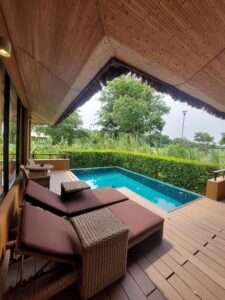
Pavers bring variety through looks alone. Not stuck with dull, solid gray, mix in borders using contrast or curves matching the pool’s outline,e along with how the house sits. Shapes twist beyond basic squares by blending surfaces that follow architectural lines nearby.
Poolsides often get paved because these slabs hold weight while looking good. Their strength matches their look, making them a go-to choice where feet meet stone near water.
Pros and Cons of a Paver Patio with Pool
A single flaw exists in every substance. Seeing what works, along with where it falls short, shapes clearer plans.
Pros:
- Firm yet bends without breaking. Tough stuff that moves when needed
- Attractive, upscale appearance
- Easier spot repairs
- Strong resale appeal
- Better drainage performance
Cons:
- Priced above standard concrete when first installed
- Requires proper base preparation
- Occasional joint sand maintenance
Most times, a good setup means benefits outweigh downsides, but homeowners sticking around see that clearly. Though it depends on the choices made during installation.
Types of Pavers for a Paver Patio with Pool
Comfort, how it looks, upkeep, these all depend on what you pick. When near water, every kind behaves in its own way.
Concrete Pavers
Picking concrete pavers gives plenty of choices without spending much. Shapes shift from square to curved, each one built differently – some even look like real stone or old-style brick when set down.
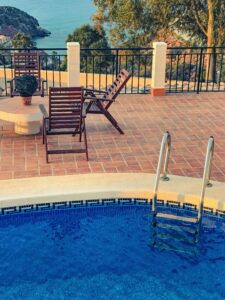
They are:
- Cost-effective
- Strong and durable
- Available in slip-resistant finishes
Funny thing is, these materials can trap warmth longer than real stone does. Over time, a protective seal helps keep their colors strong. Folks who want a lower price tag but still dream of custom layouts will find this fits just right. Home by home, choices open up without stretching the budget too thin.
Natural Stone Pavers
Stone brings beauty you cannot copy. Stone types like bluestone, limestone, or slate bring depth without pretending to be something wild. Their presence settles into place, quiet but sure, shaped by time more than trend.
Each surface tells of the earth’s layers pressed slowly under the unseen weight. These materials do not shout; they stand with a calm earned through the ages. A finish emerges not flashy, just firm in its belonging.
Benefits include:
- Unique natural patterns
- Strong durability
- Timeless appearance
A higher price tag often comes along, yet the backyard’s vibe jumps noticeably. Fine finishes? They suit bigger budgets. Custom touches work well here. Upscale living spaces often choose this path.
Brick Pavers
Old-fashioned charm radiates from the brick’s cozy look. Especially alongside historic building styles, it fits right in.
Advantages:
- Rich, earthy tones
- Strong structural integrity
- Classic charm
Wet spots can cause issues for the brick unless it’s sealed well. Still, upkeep might increase under those conditions. Suits classic or colonial-type houses well. Perfect when the architecture leans toward old-school charm.

Travertine Around Pools
Pool decks often choose travertine above others. Its appeal grows each year by staying strong under the sun and water alike.
Why?
- Naturally slip-resistant texture
- Remains cool in hot weather
- Elegant, resort-style appearance
Built with tiny holes, this material handles moisture well, perfect near swimming areas. Perfect when you want a home that feels just right. Comfort comes first here, along with quiet elegance. Those who enjoy soft lighting and warm spaces tend to stay.
Slip-Resistant Paver Options
Water demands caution at all times. Watch for:
- Textured finishes
- Tumbled stone surfaces
- Matte concrete pavers
- Non-glossy sealers
Slip hazards drop when surfaces have grip. Roughness helps feet stay put without killing looks.
How to Design a Paver Patio with Pool
What something does blends with how people live. Movement through a space matters just as much as where chairs go, sunlight angles, or how greenery ties in around it.
Layout Ideas for Small Backyards
In smaller spaces:
- Use lighter-colored pavers to create openness.
- A shape stretched out can make the space seem longer. Lengthwise lines draw the eye forward. Long forms help open up tight areas. A layout that runs far gives distance a boost.
- Keep furniture built-in or streamlined.
- A single big element works better than several. A single strong element leaves space, rather than crowding each edge.
A narrow stretch of water rests close to jagged rocks, feeling planned rather than cramped. Positioning gives it a calm intention instead of afterthought clutter. Straight edges meet open corners without clutter crowding the view. Space breathes when shapes align quietly underfoot. Clean lines pull focus away from size, toward rhythm. Each slab is placed to echo the water’s stillness. Minimal footprint gains weight through balance, not spread.
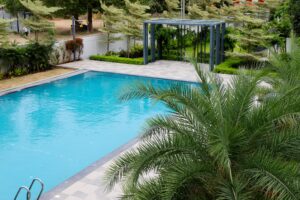
Modern and Luxury Pool Patio Designs
Modern designs focus on:
- Large-format pavers
- Minimal color variation
- Clean edges
- Integrated lighting
Luxury designs often include:
- Multi-level decks
- Water features
- Glass fencing
- Outdoor lounges
Fine thread through each piece holds the room together. A single tone across things makes it feel whole.
Choosing Colors and Patterns
Color should complement:
- Pool tile
- Home exterior
- Landscape elements
Popular patterns:
- Herringbone
- Running bond
- Basket weave
- Modular random layouts
Along the edge, a bold trim sets the shape apart with quiet confidence.
Adding Fire Pits, Seating & Outdoor Kitchens
Patio stones around the pool make everything feel connected. When paths flow into seating spots, moving outside feels natural. Spaces like this invite long afternoons without seeming fussy. The right layout ties water, walking areas, and rest zones together. Function blends with comfort where materials match, and spacing breathes.
Consider:
- Built-in fire features for evening ambiance
- Pergolas or shade structures
- Outdoor kitchens near dining zones
- Raised seating walls
Start thinking about them early, so fixes later won’t drain time or money.

Planning Drains and Slopes
Pools of water vanish when drains work right, so foundations stay safe. Heavy saturation slips away before walls crack under pressure.
Key principles:
- Faintly tilt the patio surface so water runs off toward the yard, not pooling near walls or deck. A gentle lean keeps everything drier over time.
- Where needed, put in drainage channels.
- Ensure base compaction is uniform.
Performance down the road? That depends on what happens here.
Cost of a Paver Patio with Pool
Pricing shifts with what’s used, how much work it takes, and sometimes surprises pop up mid-job.
Average Installation Cost
Some builds need a fair amount of funding, complex layouts, or pricier supplies, which drive costs up. What you pick shapes how deep your pocket must go. Fancy details? That adds weight to the budget. Simpler choices keep things lighter. Spending shifts based on what goes into the plan.
Cost Per Square Foot
A single square foot usually covers prep work, materials, and installation when counting the total price. While concrete pavers sit lower on the scale, natural stone is pricier most of the time.
Factors That Affect Pricing
- Type of paver
- Site preparation requirements
- Pool shape complexity
- Added features (lighting, fire pits)
- Regional labor rates
Curves that twist in tricky ways? They add price. So do those shiny top-tier surfaces you can’t stop touching.
DIY vs Professional Installation
DIY can save labor costs but requires:
- Excavation knowledge
- Compaction equipment
- Drainage planning skills
When setup goes wrong, things move around, creating lopsided areas. In pools, it usually works better if experts handle the job.
How to Install a Paver Patio with Pool
A shaky setup won’t last long. Poor workmanship shows up fast in how well things hold up.
Step-by-Step Installation Process
- Site excavation
- Base material installation
- Compaction
- Sand bedding layer
- Paver placement
- Edge restraints
- Joint sand application
- Final compaction
Base Preparation and Compaction
A layer of broken rock makes up the bottom part, pressed down in stages. Built this way, it stops the ground from sinking or moving around.
Edge Restraints and Joint Sand
Keeping pavers from shifting starts at the edges, where restraints do the job. Fine grains of plastic mix slip into spaces after every block, tying sections together even as they hold back unwanted growth.
Common Installation Mistakes to Avoid
- Poor compaction
- Incorrect slope
- Skipping edge restraints
- Using the wrong sand
- Ignoring drainage planning
Mistakes like these cut life short in a big way.
Maintenance Tips for a Paver Patio with Pool
Over time, upkeep stops wear from showing. A steady routine holds damage at bay. With care, the finish stays clean. Protection comes through regular attention. Little efforts add up to a long life.
Cleaning and Sealing
Now and then, a quick rinse keeps gunk from settling in. When things get stubborn, go deeper and clean more thoroughly. That sealant? Not just a deeper color, it also resists damage better. A solid finish that holds up longer.
Preventing Weed Growth
Polymeric sand holds things tight, yet plants struggle to push through. When joints stay solid, green invaders lose their chance. A strong bond forms between pavers because of their binding quality, keeping them steady over time. Weeds struggle where this material fills the gaps, thanks to how tightly it holds together. Stability comes when the right material fills gaps tightly.
Repairing Sunken or Loose Pavers
Paver by paver lifts clear, base gets tweaked, then they drop back into place, beats concrete hands down.
Winter Care Tips
In colder climates:
- Avoid metal shovels
- Use safe de-icing products
- Monitor drainage
Frost harm stops when upkeep comes first.
Best Design Ideas for a Paver Patio with Pool

A quiet moment shapes how space works. What you feel comes through in the details. Rooms breathe differently when thought fills them. A stillness settles as shadows crawl along the wood. Where sunlight once fell, dust lingers, blurring each line it meets.
Small Backyard Inspiration
Light bounces off mirrored walls, opening up each room. Where benches tuck into corners, space stays clear below them. Pale stone tiles brighten tight corners where windows let little in.
Resort-Style Pool Deck Ideas
Start with warm stone underfoot, letting travertine set the mood. Palm trees break up the green, adding rhythm without noise. Light pools in corners, glows near steps, flickers above seating – each level doing its own quiet work. Resting spaces connect through flow, not force, shaped by how you move rather than rules. Together, it feels less built, more discovered.
Minimalist and Modern Designs
Smooth planes of stone stretch wide in calm shades. Where lines meet, they do so without fuss. Light slips in quietly from hidden paths. Shape speaks before color here. Stillness shaped into form sets the mood.
Family-Friendly Pool Patio Concepts
Include:
- Non-slip surfaces
- Wide walkways
- Shaded seating
- Clear sightlines to the pool
A person’s comfort and safety often shape design decisions more than anything else. Looks might catch attention, yet function usually follows human needs. Smooth edges show care better than sharp statements ever could. Ease comes through small details, not grand ideas. Hidden safeguards sit quietly inside everyday decisions. Feel matters just as much as function, often more. Effort that tilts toward warmth gets seen, even if never named.
Real World Uses and Examples
What happens becomes obvious once you watch the pieces move. The result shows itself when you see the mechanism run.
Residential Backyard Projects
Folks who own houses usually link their sitting spots, cooking spaces, and poolside platforms into a single smooth setup.
Luxury Home Installations

Luxury homes often feature tiered patio systems built with high-grade stone surfaces. Flowing edge pools appear to blend into distant views beyond. Top-tier materials finish outdoor living zones across upper-market builds.
Commercial Pool Deck Examples
Pools in neighborhoods or hotels often pick pavers because they handle heavy use well. Water moves through them easily, avoiding puddles. Looks can change whenever needed, mixing colors or styles freely.
FAQs
Is a paver patio good around a pool?
Flooring made from this material resists slipping better than concrete does. Its strength lasts longer under heavy use. Repairs happen faster when damage occurs.
Are pavers slippery when wet?
Slip resistance gets a boost from pavers that are roughened through tumbling. These surfaces grip better underfoot because texture is added during manufacturing.
How long do pavers last around a pool?
Built right and looked after, these often go thirty years or more.
Does a paver patio increase home value?
True enough. When done right, a paver patio near a pool lifts how the place looks from the street. It makes spending time outside more usefu, useful. Homes like this often sell for better prices later on.
Conclusion
A backyard setup with stones and water isn’t just about looks; it shapes how you use your outside area. Picking the right pieces, planning with care, and getting the build right matter just as much as looking after it later. Each choice sticks around, shaping comfort and wear for years. Starting right, proper planning brings security, adaptability, good looks, and boosts what your place is worth. If shaping a small yard hideaway or something grand like a vacation destination, these units give strength plus options that match your idea exactly.