
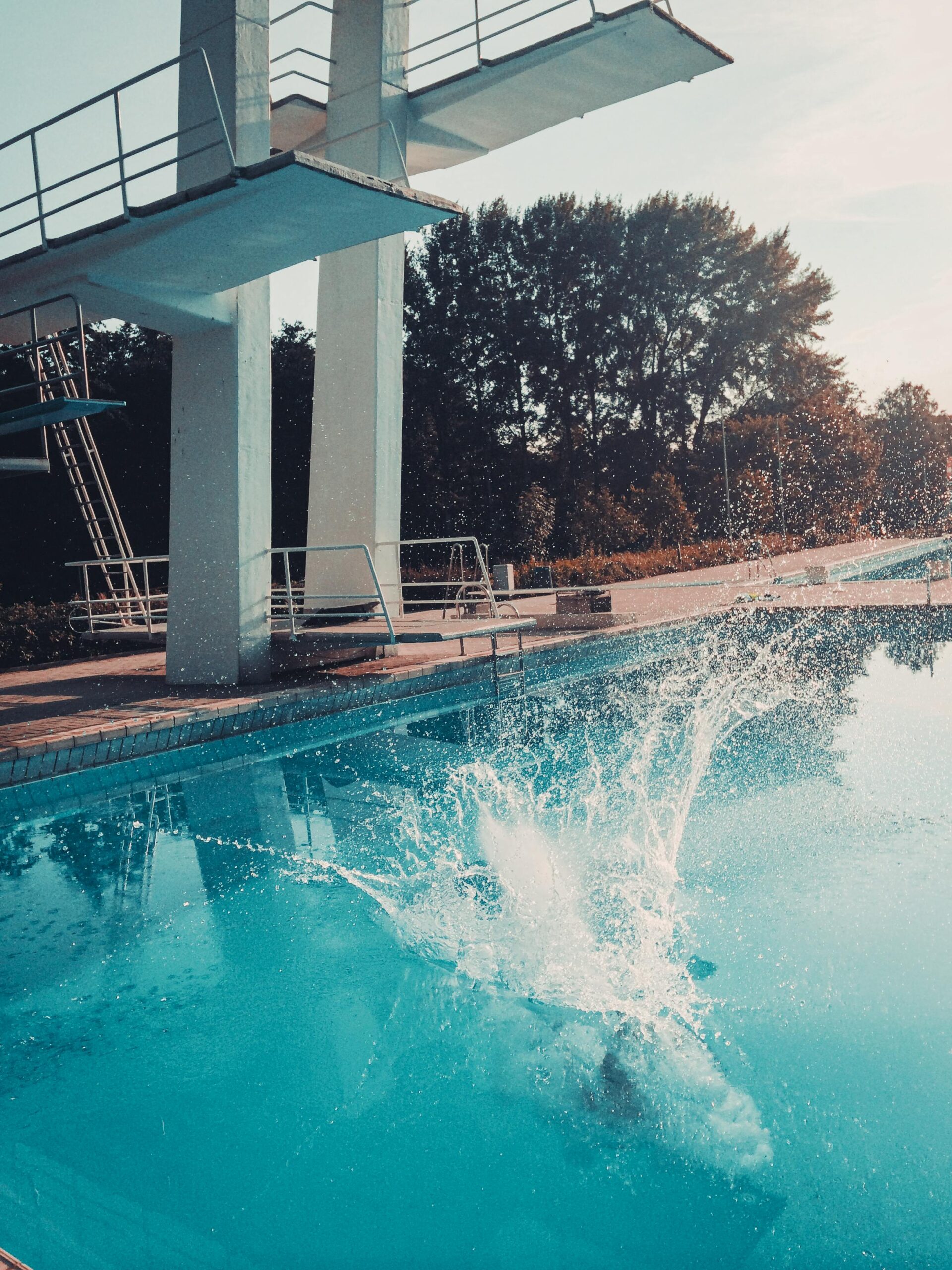
What Is an Outdoor Diving Pool?
A dive into deeper waters begins where regular pools stop. Built not just for floating but for leaping, these basins go beyond backyard splashing. From the edge, a jumper drops straight down, met by extra depth below. Sloped walls rise gradually, guiding swimmers away from impact zones. Reinforced floors withstand repeated force from above. Where shallow ends fade out, real diving needs begin. Deep water alone does not make a dive pool right. Shape under the surface plays a bigger role.

A clear zone below needs space stretched out front-to-back and dropped far down. When someone dives in fast, they need room to travel without hitting edges or the floor. Back outside, you’ll spot dive-ready pools tucked behind homes, at sports hubs, holiday spots, or city-run water sites. No matter who uses them, homeowners or big operations, the build needs to juggle how well it works, if people stay safe, how long it lasts, plus how sharp it looks.
Outdoor Diving Pool Design Basics
Most folks dive into backyard pools just to cool off on hot days. Yet some need them built tough for daily swim drills. Fancy hotels might want a shimmering showpiece instead. What comes first is figuring out who shows up and why they jump in. Depth changes when laps matter more than lounging. Materials shift if chlorine runs heavy all summer long.
Even the walkways widen when crowds gather at noon. Every choice ties back to real moments lived there. Water breaks differently when form follows function. Every curve serves both strength and grace beneath the surface. Looks matter just as much as rules built into each edge. Safety lives quietly inside measurements most never notice.
Pool Shape and Layout Options
Most dive pools stick to rectangles, simple, familiar, built for sport or practice. Yet odder outlines can work too, if the blueprint knows what it’s doing. Out-of-the-way silhouettes need room where divers land safely, just like standard ones.
Rectangular layouts offer:
- Predictable slope transitions
- Easier compliance with safety standards
- Better lap-swimming functionality
Out near the deep part, freeform pools fit luxury homes well yet leave space open under the board where swimmers can drop straight down. That zone stays clear, nothing blocking it. Farther along, keep it separate from benches, ledges, or spots meant for shallow sitting.
Ideal Depth and Slope Configuration
What sets an outdoor diving pool apart? It’s changing floor level. At one end, it plunges much farther down compared to regular pools, while the drop-off eases slowly just enough to follow safe design rules.
A proper slope ensures:
- Most divers miss the sharp drop-off underwater
- Safe underwater clearance
- Structural support for increased water volume
Water depth shifts too fast can hurt swimmers. Design needs planning, never guesswork.
Diving Board Placement Guidelines
Right where the water drops off is where the board should sit. Centered there, it lines up with how far the deep part stretches. Position matters because misalignment risks harm. The setup follows the long axis of that deeper zone without shifting sideways.
Key considerations:
- Adequate overhead clearance
- Correct distance from pool edge
- Proper board height relative to water depth
- Secure anchoring into reinforced decking
A diver often gets hurt when boards shift out of place. Boards that move unexpectedly lead to many accidents underwater.
Residential vs Commercial Designs
Home backyard dive pools serve more than one role: fun, looks, and sometimes a quick jump. Sometimes they sit pretty, other times splash hard.
Commercial designs prioritize:
- Regulation compliance
- Greater water depth
- Heavy-duty structural reinforcement
- Higher bather loads
Fault checks hit harder when it comes to business setups. Rules must line up just right, no exceptions.
Outdoor Diving Pool Depth Requirements & Safety Standards
Water must be deep enough in a dive pool. Safety begins there.
Minimum Depth Requirements
Most home diving platforms sit between six and eight feet above water. These usually need at least seven and a half to nine feet of depth right below. Taller setups demand much deeper sections underneath. Because divers move ahead as they drop, the deep part spreads out beyond the edge, covering how far someone flies before sinking.
International Safety Regulations
Not every nation uses the same rules, yet a shared pattern quietly shapes many. Some build on frameworks that feel familiar. Others adapt them in subtle ways. Still, echoes of common guidelines appear across borders. These links form without force, through gradual agreement. What emerges is less uniformity, more quiet harmony.
- FINA (for competitive pools)
- APSP/ICC standards (United States)
- Local municipal building codes
Start by looking up area regulations before starting construction. Not sticking to these could lead to fines and court issues, because structures may have to be removed.
Slip-Resistant and Shock-Absorbing Design
Fences block access near pools. Gates swing shut on their own. Alarms sound if someone opens a door. Windows stay locked upstairs. Pool covers stretch tight across the surface. Night lighting brightens walkways. Adult supervision watches kids closely.
- Slip-resistant decking
- Clearly marked depth indicators
- Secure handrails and ladders
- Proper underwater lighting
Beneath the waves or up top, safety features kick in to lower mishap risks. Though less obvious, their impact shows most when things go smoothly without incident.
Materials & Construction Options for an Outdoor Diving Pool
Choosing materials shapes how long something lasts. Durability ties closely to upkeep needs. Maintenance demands shift depending on what’s picked. Cost changes with each option considered. Structural soundness over time hinges on early choices.
Concrete Outdoor Diving Pools
Concrete is the gold standard for diving pools.
Advantages:
- Whatever size you need, it fits. Shape bends to your plan. Depth adjusts without hassle. Built this way on purpose. Fits where others won’t
- Superior strength
- Long lifespan
Heavy-duty jobs often need concrete, especially where deep support matters. Still, setting it up takes more days compared to other options. The first expense also hits harder on budgets right away.
Fiberglass Options
Buried underground, fiberglass pools arrive ready-made, shaped before delivery. Installation wraps up fast compared to other types – yet choices for how deep they go tend to be narrow. Diving needs space below, but most of these units fall short unless built for that purpose from the start.
Tile & Finishing Materials
Finishes enhance both safety and aesthetics.
Popular options:
- Ceramic or porcelain tile (durable and attractive)
- Pebble finishes (slip-resistant and natural appearance)
- Quartz surfaces (smooth yet durable)
Water never stops pushing against finishes, so they need to hold up when soaked plus hit by harsh chemicals.
Equipment & Essential Components
A splash needs space, yes, yet sun-warmed edges matter just as much. Stones hold heat long after light fades. Shadows shift across tiles by midmorning. A ladder’s rust begins before the season ends. Air weighs more heavily when humidity climbs. Chlorine fades faster under open skies.
Essential components include:
- Some choose the springy tip of a diving board. Others stand tall on the firm edge of a platform
- High-capacity filtration system
- Proper drainage and skimmer placement
- Anti-entrapment drain covers
- Water circulation pumps
Big setups run smoother when heat sources team up with smart chemical regulators. These pairings cut down on daily oversight while keeping things stable behind the scenes.
Outdoor Diving Pool Design Tools & Planning Resources (Libraries)
Out of careful calculations and smart layout choices comes today’s sleek look. While builders shape structures, software helps map every detail ahead of time.
Resources may include:
- CAD software for structural layout
- Water movement simulation software
- Code compliance manuals
- City paperwork storage systems
- Manufacturer installation guides
From blueprints to soil tests, experts pull data to shape how water moves through a build. Each angle gets measured using field reports plus engineering guides. Strength demands meet layout plans when figuring out support needs. Slope angles emerge from terrain maps mixed with flow models.
Cost Breakdown of an Outdoor Diving Pool
Price swings happen depending on how big it is, what it’s made of, or where you are.
Typical residential range:
- A small dive pool might cost between fifty thousand and eighty thousand dollars
Cost factors include:
- Excavation and soil conditions
- Structural reinforcement
- Materials and finishes
- Diving board installation
- Permits and inspections
Fees pile up fast when regulations tighten around big public swimming areas. Engineering hurdles push prices past the six-figure mark without warning.
Maintenance and Long-Term Care
Water that sits deep needs regular care. Maintenance slips away if ignored too long.
Key areas include:
- Regular chemical balancing
- Monitoring water clarity
- Inspecting diving board anchors
- Checking surface integrity
- Ensuring pump efficiency
Water movement slows in deeper areas if jets are poorly placed, which means flow needs constant checking. Though equipment helps, uneven distribution still happens when the design overlooks depth changes.
Outdoor diving pools in everyday use
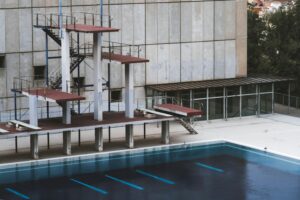
Water areas built outside welcome many kinds of swimmers. Different settings shape how people dive in open-air basins.
Backyard Residential Pools
Fun comes first when the boat’s made for families who dive now and then. Built so everyone stays out of harm’s way without sacrificing how it looks on the water.
Sports Training Facilities
Practice happens here for swimmers who compete, plus those diving at high levels. How deep it is matters just as much as where the lanes sit. Following official rules isn’t optional – it shapes everything.
Hotels & Resorts
Water elements add elegance along with a sense of premium design, though they’re required to follow strict safety rules.
Public Aquatic Centers
Every day brings tough demands on structures designed under tight rules. Supervision by trained safety staff is part of the routine. Use wears down materials fast when traffic stays high.
Outdoor diving pool building mistakes to avoid
- Installing a diving board on a non-compliant pool
- Underestimating required depth
- Ignoring local building codes
- Poor slope design
- Using inadequate structural reinforcement
- Choosing aesthetics over safety
A dive tank isn’t simply a deepened bath. It’s built with purpose, shaped by design.
FAQs
Can any pool become a diving pool?
Wrong. Meeting dive norms requires correct depth, angle of descent, and how it’s built.
What is the safest diving board height?
Shorter home models, between six and eight feet tall, work better with adequate depth underneath. Safety improves when the ground below matches the structure’s size.
Are diving pools more expensive to maintain?
Because of the larger size, keeping things balanced means extra attention to filtering and cleaning routines. Water needs move through the system a bit slower, so adjustments help maintain clarity. Handling larger amounts requires steadier flow control to prevent stagnation spots.
Is a diving pool suitable for small backyards?
Most times it won’t work. A diving pool needs a lot of room, long and deep.
Conclusion
A dive into the open air needs more than just water. Built to handle leaps from height, its layout follows strict rules hidden beneath smooth surfaces. When sizing up how deep it should go, the strength of the walls matters just as much as what they’re made of. Rules about safety shape choices on materials, each picked to last under constant splash and sun. Precision hides in corners most never notice – yet everything ties together through quiet planning.
A well-built diving pool does not stop at being a yard highlight – it turns into something dependable, strong, sturdy under stress. For personal fun or serious practice, staying clear of risks means sticking to rules that matter, picking what lasts instead of what costs less, and building smart so repairs stay far off.