
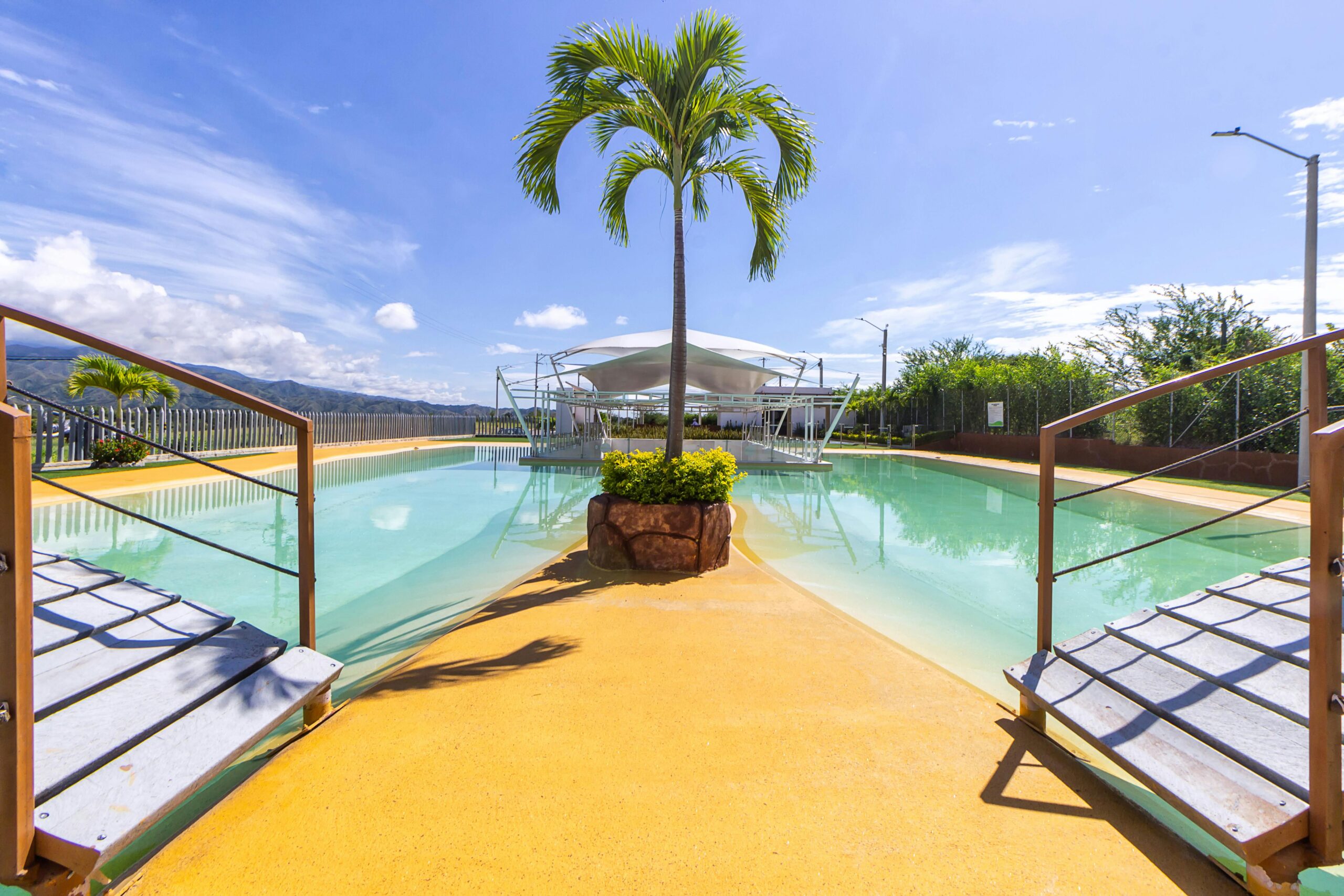
Introduction to Outdoor Covered Swimming Pools
The swimming pools have had an extended history of being one of the outdoor aspects of lifestyle, which offers relaxation, fun, and workouts in the backyard. However, pools are fantastic in beautiful seasons, but they are usually associated with a number of problems, including cleaning up, using them during seasons, and safety. This is where the outdoor covered swimming pools are applied. Homeowners and businesses can enjoy the best of both worlds with the use of an open pool but a cover or enclosure that provides not only fresh air and sunshine but also its added comfort and control.
Why Covered Pools Are Growing in Popularity
The outdoor covered swimming pools are not just a luxury in recent years, it is considered a viable investment. Demand has been fuelled by the growth of interest in year-round out of doors living, improved construction material, the push towards health and safety. Homeowners like the idea of a longer swimming season and hotels and resorts consider covered pools as methods of improving guest satisfaction and lowering the maintenance expense.
Common Misconceptions About Outdoor Covered Swimming Pools
There are some legends around covered pools. Other individuals consider that the inclusion of a cover can create a sense of an indoor pool taking out the outdoor feel of the pool. The fact is that the majority of the contemporary covers, particularly the retractable or canopy types, preserve the open-air sensation. Others supposedly think that covered pools are too expensive, but prices differ greatly based on materials and design. And there is the misconception that covers are difficult to clean, yet in reality they tend to conserve maintenance since they keep the water clean by keeping leaves, insects, and dirt off the water.
Basics of Outdoor Covered Swimming Pools
What Is an Outdoor Covered Swimming Pool?
Outdoor covered swimming pools are merely a pool which is situated outside of a house but is provided with some sort of overhead covering. It has a permanent or retractable cover which can be of glass, polycarbonate, wood, or even fabric. These are also weatherproof, private, and safe unlike more enclosed pools that are entirely indoors.
Key Features and Components
The main elements include:
- The pool structure (concrete, fiberglass or vinyl-lined).
- The canopy (roof, retractable panels, canopy, or enclosure).
- Support structure (steel, aluminum or wood).
- As well as ventilation and lighting (to ensure the atmosphere is airy and pleasant).
- Optional extras, including heating, automatic covers, and inbuilt shading.
Types of Pool Covers (Retractable, Fixed, Canopy, etc.)
- Features: Retractable covers Slide fully open or fully close, provide maximum flexibility.
- Fixed enclosures: Permanent buildings, usually made of glass or polycarbonate which cover throughout the year.
- Canopies or pergolas: Lightweight solutions of partial shade and protection.
- Automatic safety covers: This is designed to reduce evaporation besides preventing accidents.
Design and Construction Considerations
Choosing the Right Materials
It is important in durability and beauty. Frames made of aluminum and steel are very powerful and rust resistant. Wood is more natural and needs more attention. Polycarbonate sheets are light weight and are weather resistant whereas the glass provides a luxurious and classy appearance.
Aesthetic and Functional Design Ideas
Covers can either be smooth and contemporary, or rustic and homely. Transparent barriers take advantage of the maximum sunlight and coloured alternatives provide shading. Others have designs that can merge well with the landscaping but there are those that can be seen as bold architectural designs. Mechanically, designs that can be closed are favored by families that desire open swimming during summer and a cover during winter.
Cost Factors to Consider
The prices differ according to the size, materials and complexities. A pergola or even a plain canopy can be affordable and a Glass enclosure that can be closed and opened full may cost a lot. On top of the initial construction factor in maintenance, energy saving, and added value of the property which usually subsidies initial costs.
Benefits of Outdoor Covered Swimming Pools
Comfort and Climate Control
Pools with covers remain cleaner, colder during hot seasons and warmer during cold seasons.
Safety and Protection
Covers serve as a shield against rubbish, insects even pets or little kids. Automatic safety covers, especially, offer peace of mind because of minimization of the risk of accidents.
Energy Efficiency and Longevity
Cover saves on energy expenses by lowering the amount of water that evaporated and the amount of heat that was wasted. They also guard the buildings and equipment in the pool against the weather thus prolonging life and saving on repairs.
Maintenance and Upkeep
Cleaning and Seasonal Care
Although covered pools do not need as much cleaning, they must also be tested on a regular basis, filtered and have their surfaces taken care of. It is important to cleanse seasons deep to make sure that dirt and algae do not accumulate.
Cover-Specific Maintenance Tips
The retractable systems require periodic track lubrication and the fabric canopies must be examined to ensure there are no tears or loose folds. Covers made of glass or polycarbonate can be washed to avoid clouding and streaking.
Common Problems and Solutions
Such problems as condensation within the enclosures, mechanical problems or small leakages are typical but can be handled. Systems are smooth-running by having frequent checks and timely repairs.
Real-World Applications of Outdoor Covered Swimming Pools
Residential Uses
To the homeowners, covered pools give them the enjoyment all the year round, add beauty to their backyards and add value to their property. Automatic safety covers are usually added to families with children.
Commercial and Hospitality Settings
Hotels, resorts and health clubs utilize covered pools to extend their swimming seasons and provide a high end experience. Covered pools minimize liability risks and down time of maintenance as well.
Year-Round Swimming Possibilities
In more cooler climates, covers and pool heaters allow one to swim even during winter. The use of shaded covers in hot areas averts sunburn and overheating.
How to Choose the Right Outdoor Covered Swimming Pool for Your Home
Assessing Your Space and Needs
Starting with the examination of the available space, climate and the use of the future pool: family fun, exercise or entertainment.
Budgeting and Long-Term Planning
Set a feasible budget which involves construction, repairs and improvement. In the cost-benefit analysis, one should take into account the benefits in the long-run, which include energy saving and improved value of the property.
Conclusion
Outdoor covered swimming pools are not only a luxury to most homeowners and businesses, but they are an investment that makes sense. They are comfortable, safe, energy efficient and fashionable with an increase in the swimming season. Despite the fact that the initial expenses might be different, they are an excellent solution to people who would prefer to spend time in their pool with fewer restrictions.
FAQs
Q: Do covered pools feel like indoor pools?
A: No, no, modern designs are airy without the need to cover up.
Q: How much does an outdoor covered pool cost?
A: The prices of simple canopies start at several thousands of dollars, and retractable glass canopies go into tens of thousands.
Q: Can I add a cover to my existing pool?
A: Yes, the majority of the pool covers and enclosures can be adapted to the existing pools.
Q: Do covers help reduce heating costs?
A: Yes, of course, they make pools more efficient in terms of energy usage by consuming less evaporation and heat loss.
Related Articles