
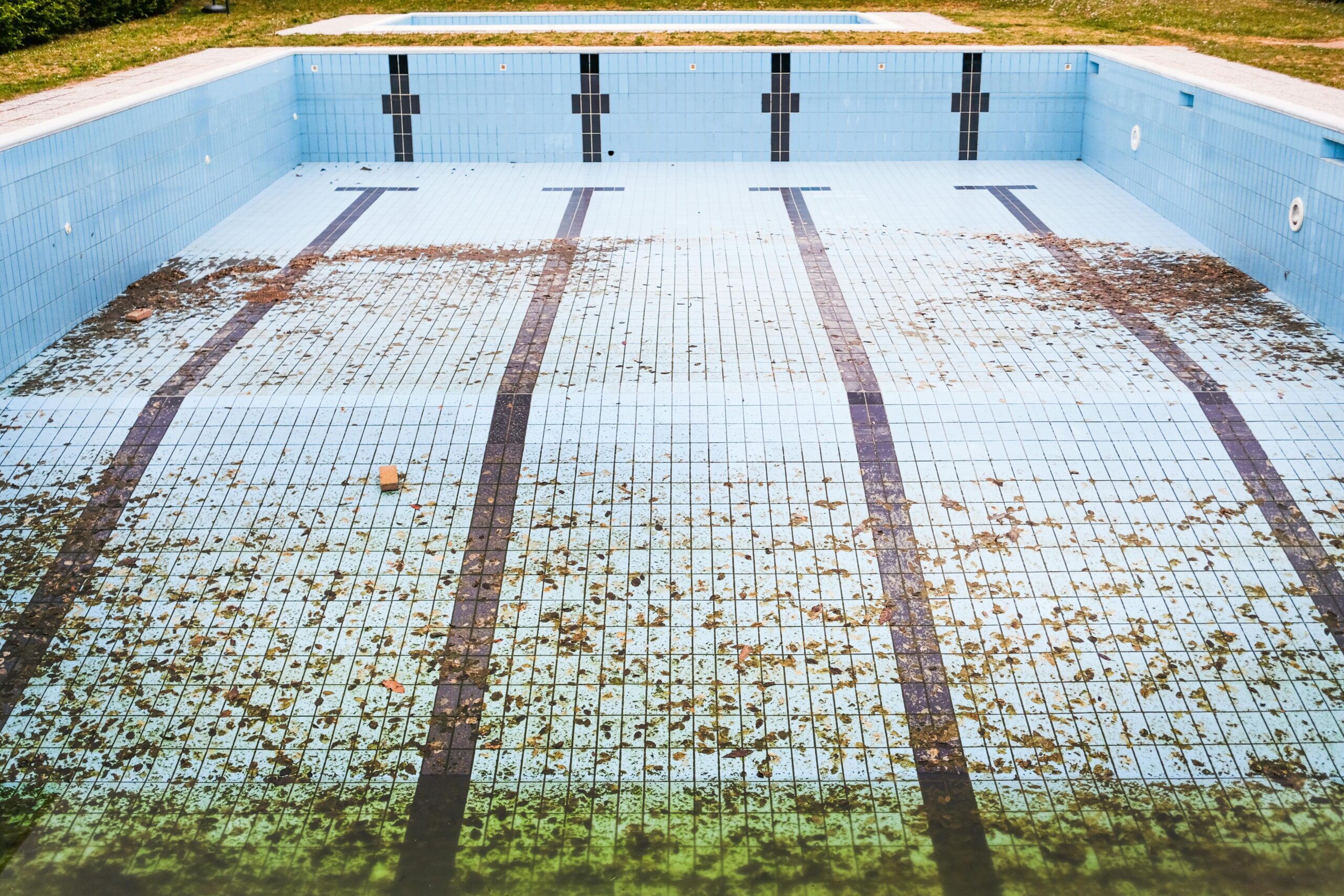
What Is Indoor Pool Leak Repair?

Water escaping from inside a pool gets stopped through careful searching and precise fixes. Not just routine upkeep, this job means tracking down trouble spots, maybe cracks in the basin, worn pipes, loose connections, gaps where parts meet, even damp walls nearby, and making sure repairs hold up over time. What hides behind tiles or under floors often shows only when damage spreads slowly. Pools built inside buildings might seem safe, yet one tiny leak could harm floors, walls, insulation, or even the base of the structure. Fixing them right means more than plugging a hole; moisture control keeps the whole building sound.
How Indoor Pool Leaks Differ from Outdoor Pool Leaks
Indoor pool leaks are more complex than outdoor pool leaks for several reasons:
- Hidden within rooms, indoor pools sit boxed in by walls, climate control, and layers meant to seal them off. A break shows up, then water follows, soft, hidden, sneaking behind walls or under tiles before anyone notices.
- Fog lifts off the ground, sliding upward into open space. When it hangs there, rooms absorb wetness in their upper edges. The weight builds slowly, pressing down where droplets gather. Walls absorb traces overnight. The space holds more wetness than before. The air feels thick by afternoon.
- Besides visible spots outside, some drips remain out of sight beneath indoor floors. While puddles show up on lawns, others sneak through hidden cracks behind walls.
- Mistakes pile up fast when repairs grow bigger, wiring might suffer, then walls weaken, and soon mold sneaks into the air you breathe.
A drip inside your walls doesn’t only mess up the floor over time, but it can also harm the whole structure.
Why Indoor Pool Leak Repair Is More Urgent
Indoor pools need attention fast when they leak, hidden dampness feeds mold, softens timber, eats away at metal, and slows down only if caught early. A small drip might seem harmless, yet it sets off decay behind walls before anyone notices.
- Weaken concrete foundations
- Damage to the flooring and wall finishes
- Cause mold behind the walls
- Overload dehumidification systems
Repairs cost more the longer water keeps escaping damage spreads beyond the pool itself. A small drip slowly eats into walls, floors, and whatever sits nearby. Time turns minor issues heavy. What starts hidden grows harder to fix. Left alone, wetness warps materials they thought were solid. Hidden damage shows up late, hits hard. Each day adds stress, invites deeper problems.
Common Signs You Need Indoor Pool Leak Repair
Water sneaking through walls might seem small at first. Catching those quiet hints early means avoiding big bills later.
Unexplained Water Loss
Water dropping faster than a quarter to half an inch each day? That usually means something’s wrong. Outdoor pools lose moisture just by sitting in the sun, but indoors, that loss slows way down. When levels keep falling inside, pay attention. Refilling over and over again isn’t how things should work. Notice yourself topping it off too much? Something might need checking.
Cracks in Pool Shell or Tiles
A break shows up, then water follows, soft, hidden, sneaking behind walls or under tiles before anyone notices. Fog lifts off the ground, sliding upward into open space. When it hangs there, rooms absorb wetness in their upper edges. The weight builds slowly, pressing down where droplets gather.
Damp Walls, Floors, or Foundation
Something moved cracks showing up in concrete, gunite, or fiberglass usually means the frame isn’t holding like before. Tiles breaking free? Water could be moving where it shouldn’t, underneath. Bubbles forming under the paint happen after too much wetness builds up beneath. Warped boards in the flooring tend to follow days of unnoticed seepage. Now and then, a damp odor shows up long before you see anything obvious;
- Efflorescence (white powder residue on concrete)
- Soft drywall
- Water is pooling under the flooring
Rising Humidity or Mold Growth
Water gathering near baseboards often points to hidden leaks within the structure. When carpet feels moist, it usually suggests slow seepage happening over time. Instead of just wiping it down, check where water could enter. Musty air or fuzzy patches on surfaces mean trouble has already started. Because mold spreads quietly, taking a close look soon makes sense.
What Causes Indoor Pool Leaks?
Finding out why it broke means fixing it right so it stays fixed.
Structural Cracks
Concrete pools can develop cracks due to:
- Ground shifting
- Poor construction
- Thermal expansion and contraction
- Settlement over time
Water might get through these splits, reaching nearby parts of the structure.
Plumbing Line Failures
Pipes below ground might split apart when they freeze. Years pass. Soil moves beneath. Cracks appear without warning. Time stretches on. Joints drift apart slowly. Separation happens when nobody’s looking. Rust eats through metal sections where moisture stays for a long time. Older materials weaken until leaks begin slowly.
- Broken return lines
- Cracked suction lines
- Loose fittings
Water escapes like this usually happen under the concrete around the pool, which makes spotting them tougher.
Skimmer and Return Line Damage
Skimmers are common leak points due to:
- Poor sealing
- Movement between the pool shell and the skimmer body
- Aging gaskets
Over time, fittings can work loose, and the same goes for return jets.
Sealant and Joint Deterioration
Over time, pool chemicals eat away at expansion joints. As those materials weaken, tiny openings appear. Water slips out through such cracks slowly but steadily. Sealants lose strength after years of soaking. Once they break down, leaks follow without warning.
Indoor Pool Leak Detection Methods
Precision matters most when spotting issues. Fixing a spot that’s not broken burns hours plus drains cash.
Bucket Test Method
This quick check can show if missing water vanished into the air or slipped through a crack.
- Fill a bucket with pool water.
- Place it on a pool step.
- Start by noting where the water sits in the bucket, and also check how high it reaches in the pool. Finish marking both spots before anything shifts.
- Wait 24 hours.
Water vanishing faster from the pool than from the bucket? That points to a leak.
Dye Testing
A liquid tint shows tiny splits or faulty joints. Near spots that might fail, a bit of color goes in. When there’s a break, the stain moves into it. Works well when damage can be seen.
Pressure Testing
Starting off, pressure testing separates plumbing sections to check integrity. A sealed line gets filled with either air or water under pressure instead of being left open. When the pressure falls, it shows that a leak exists somewhere along the pipe. Beneath the surface, most specialists rely on this method to uncover what lies unseen.
Electronic Leak Detection
Hidden leaks show up when devices listen through solid spaces. These gadgets catch noises behind barriers, spotting trouble beneath surfaces. Tools that track sound work without breaking open walls or lifting flooring. When it comes to tricky indoor pool setups, this method usually wins out for accuracy.
Step-by-Step Indoor Pool Leak Repair Process

Fixing it comes after spotting the leak, using steps that make sense one after another.
Identifying the Leak Source
Where the problem sits makes all the difference; fixes stay targeted that way. Depending on placement, it might be the bones of the house, water lines, or just skin deep.
Draining and Preparing the Pool
When repairs touch the structure, emptying part or all of the pool often follows. Cleaning comes next, then drying, both critical, so fixes hold firm.
Repairing Structural Cracks
Repairing cracks usually involves methods like these;
- Epoxy injection
- Hydraulic cement
- Flexible sealants
Fixing how it holds together comes first, then keeping water out follows closely behind.
Fixing Plumbing Leaks
Plumbing repairs may involve:
- Replacing damaged pipe sections
- Resealing fittings
- Repairing skimmers
Occasionally, floorboards need lifting just to reach the plumbing underneath. Sometimes, a deck has gaps made on purpose so workers can get to the water lines. Where floors are fixed, parts come loose when the pipework is due. Now and then, access means cutting into surface layers above hidden runs. Openings appear where they shouldn’t, only because pipes lie beneath.
Post-Repair Testing
Once fixes are done, water flows back into the pool while levels are watched closely. To check if everything holds, pressure tests might happen again.
Indoor Pool Leak Repair Cost Breakdown
Price shifts with how bad it is and where you are.
Minor Leak Repair Costs
A repair job for a tiny crack might cost around three hundred dollars if it is easy to reach. Getting at something hidden behind walls could push the price near a thousand instead. Location really shapes what you pay in the end.
Major Structural Repair Costs
Repairs for serious pipe issues or shifts in the house base can run from two thousand to ten thousand dollars, sometimes beyond, particularly if breaking through slabs is involved. Concrete removal tends to push expenses higher without warning.
Factors That Affect Pricing
- Leak location
- Pool construction type
- Accessibility
- Extent of structural damage
- Mold remediation needs
Catching issues early slashes expenses fast.
DIY vs Professional Indoor Pool Leak Repair

Picking how you’ll move forward matters more than it seems at first glance.
When DIY Is Safe
Fixing things yourself could make sense if:
- Minor visible cracks
- Simple gasket replacements
- Basic dye testing
It works just when the origin of the spill shows itself plainly.
When to Call a Professional
Professional repair is necessary when:
- Plumbing lines are involved
- Leaks are hidden beneath slabs
- Structural cracks are widening
- Water damage has spread to the walls or the foundation
Risks of Delaying Repairs
Ignoring leaks can result in:
- Foundation damage
- Mold infestation
- Electrical hazards
- Major renovation costs
Delay often multiplies repair expenses.
Preventing Future Indoor Pool Leaks
Cheap fixes now beat costly fixes later.
Routine Inspection Checklist
- Monitor daily water levels
- Inspect tiles and expansion joints
- Check around skimmers and fittings
- Examine surrounding walls for dampness
Look at things each month to catch problems fast.
Proper Humidity Control
Morning air feels better when the moisture stays within fifty to sixty percent. Too much dampness fades when the dehumidifier matches the room size. Condensation slips away, lessening pressure on walls and beams.
Maintenance Best Practices
- Maintain balanced pool chemistry
- Avoid over-pressurizing plumbing
- Reseal joints when aging appears
- Schedule annual professional inspections
FAQs
Water vanishing faster than usual?
Spot wet patches, growing moisture, or splits in surfaces that often mean a leak lurks nearby. Try the bucket trick to see if it checks out.
Can indoor pool leaks damage the foundation?
Water trickling nonstop might seem small. Yet it digs under foundations slowly. This movement eats away dirt that holds things up. Concrete bases lose support as gaps grow underneath. The ground shifts where walls stand still. Over months, cracks appear without warning. Floors tilt just enough to notice. What feels solid today may sag tomorrow. Hidden damage builds beneath the surface.
How long does indoor pool leak repair take?
A handful of hours might pass before small fixes finish. When it comes to big changes in structure or pipes, days unfold shaped by how hard it is to reach things, what breaks next.
Is indoor pool leak repair covered by insurance?
Policies set the limits. Damage that happens fast might count, yet slow wear usually does not. Go through every part of your home insurance paper by paper.
Conclusion
Water damage inside a pool area starts quietly. A tiny drip behind walls might soon weaken floors above or below. Mold moves in when dampness overstays its welcome near breathing spaces. These pools sit within buildings, so flaws spread beyond tiles. One unnoticed crack leads to warped materials over time. Hidden seepage affects what holds the building up. Repairs stop more than wet spots; they prevent deeper harm.
Early detection often stops small glitches from becoming big headaches. A proper look at what is wrong guides smarter choices down the line. When problems show up, reaching out to someone skilled can save time and money. Watch for damp patches, odd smells, changes in water level; they tell stories. Leaks? They sneak in through worn seals or shifting structures. Repair methods differ; sometimes it is patching, sometimes replacing parts. Understanding how things break helps prevent repeat rounds of stress. Simple habits, like checking connections monthly, go far. This knowledge does not promise perfection; it just cuts chaos when things shift off track.