Table of Contents
ToggleWhat Is an Indoor Swim Training Pool?
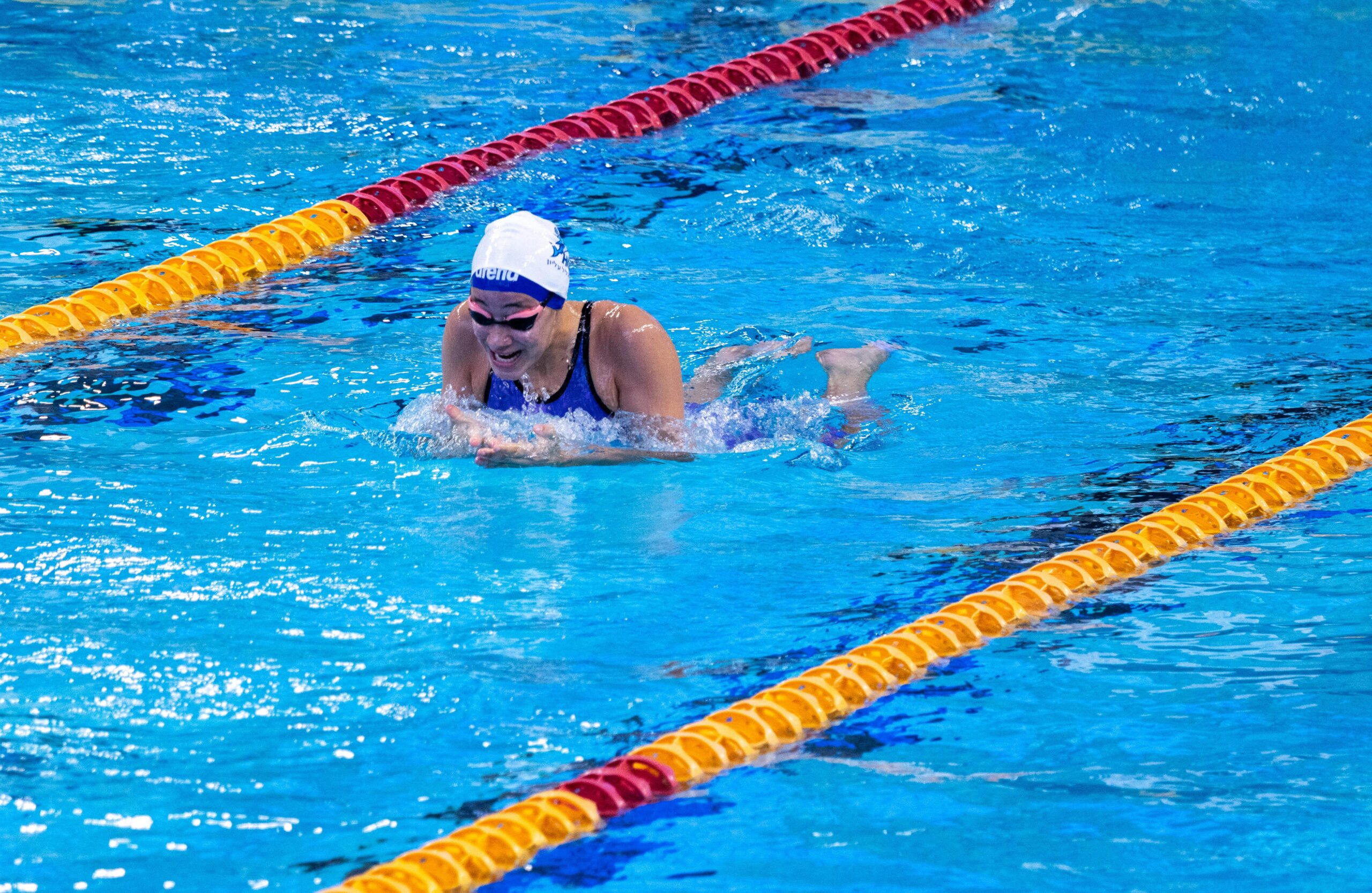
An Indoor Swim Training Pool is a miniature or full-length swimming system, which is purposely meant to provide continuous and stationary swimming within a regulated indoor space. Contrary to the conventional backyard pools, which are mostly designed to be used as leisure pools, the pool type is designed to perform and be used as a conditioning, rehabilitation, and technical swimming pool.
The swimmer does not move back and forth on the water; instead, being in the same spot, a controlled current moves against him or her. This generates a sense of endless swimming whereby the exact adjustments to the training are made without the need for a 25-meter or a 50-meter pool. As it is a swimming pool inside the house, it gives privacy and the ability to control the weather, and since it can be utilized the entire year, it may fit serious swimmers, fitness-conscious home owners, and therapy facilities.
How an Indoor Swim Training Pool Works
The principle of an Indoor Swim Training Pool is that it creates a stream of water. The swimmer then stands and struggles against such a current and swims in one spot. Water flows continuously around the pool, which moves back and forth to the front, and back to the rear, causing resistance.
The majority of systems can have adjustable current speeds. Novices can begin with a slow flow, and competitive athletes can add resistance to replicate the race speed or interval training. Sophisticated models support programmed exercises, speed regulation, and even tracking the performance.
Since you are swimming in moving water, not pushing off the walls every few seconds, it is a smoother and more technique-oriented experience. It eliminates interruptions and focuses on endurance, efficiency of strokes, and control of breaths.
Key Components of an Indoor Swim Training Pool
To have a complete idea of its functioning, it is necessary to identify the key components:
1. Propulsion System: This is the heart of the pool. It produces the variable current. There are also propeller-driven systems and systems powered by turbines, which create a smoother flow with breadth.
2. Pool Shell or Structure: Maybe fiberglass, acrylic, and concrete or modular steel panels. Building models commonly focus on insulation and structural integrity.
3. Filtration system & Circulation system: Keeps water clean and safe. Since the water is in continuous flow, the filtration efficiency becomes very important.
4. Heating System: Maintains the water at the same temperature, typically 78 °C to 88 °C, depending on the training or therapeutic needs.
5. The Environmental Control System: Ventilation and dehumidification are necessary as the pool is indoors, or moisture will destroy it, and to improve the quality of the air.
These elements collectively form an experience of a controlled training environment that is professional, efficient, and highly customizable.
Indoor Swim Training Pool vs Traditional Lap Pool
Space and purpose are the main differences between an Indoor Swim Training Pool and a normal lap pool.
- The traditional lap pool needs a lot of length (usually, 40-75 feet to train effectively. Conversely, a swim training pool need not be longer than 8-15 feet since the swimmer is not in motion.
- Lap pools are very useful in competition facilities and big properties. They do, however, cost more in terms of construction room, more water, and more heating. An Indoor Swim Training Pool has the same benefits of training, but it can be installed in a significantly smaller area, with controlled resistance.
In smaller facilities or for homeowners, the training pool will provide performance without the need to build it on a commercial scale.
Benefits of an Indoor Swim Training Pool
The attraction of an Indoor Swim Training Pool is that it is both performance, efficient, and convenient. It provides high-quality swim conditioning at a professional level in a private,y intimate environment.
The weather is no longer a constraint since it is an indoor running. The fact that it is based on an existing system means that space is cut down drastically. And since resistance training is suitable for all beginners and elite athletes.
Year-Round Swim Training
In winter, outdoor pools are closed, limiting training. Interior systems do away with that barrier completely. It is possible to keep winter conditioning among athletes. Homeowners are able to swim in rainy, extremely hot, or at the time of freezing temperatures. To serious swimmers, consistency is all, and indoor access ensures continuous training sessions.
Technique Improvement & Resistance Control
Constant current swimming contributes to stroke awareness. Swimmers do not have any walls to push off, thus they need to ensure a constant propulsion and alignment of the body.
Resistance can be adjusted with fine-step calibration of speed. This renders the interval training, endurance exercise, and sprint training much more controlled. There are also hi-tech systems that form a mirror-like layer of water to reduce turbulence, enabling the swimmer’s perfect technique as opposed to the congested public pools.
Space Efficiency for Homes
Compact design is one of the biggest strengths. A house owner does not require a huge backyard. Most of the Indoor Swim Training Pool systems can be located in a garage, basement, enclosed patio, or a specific wellness room since the amount of water required is minimal compared to a regular pool, and the heating and maintenance expenses also tend to be reduced.
Rehabilitation & Low-Impact Therapy
Water also offers natural buoyancy, which then lessens joint stress. This renders the use of swim training pools useful in:
- Post-surgery recovery
- Arthritis management
- Injury rehabilitation
- Senior mobility therapy
The importance of controlled resistance is that it enables the therapist to regulate the intensity safely and progressively to provide a safe rehabilitation process.
Types of Indoor Swim Training Pool Systems
All systems are not constructed similarly. The propulsion is what defines the quality of water, the feeling of resistance, and training efficiency.
Endless Pool Systems
These are systems on which the technology is wide-propeller to create a deep, smooth current across the width of the pool. They are characterized by creating a less turbulent (laminar) flow, which is advantageous to the competitive swimmers. They can usually contain programmable controls and built-in workout modes.
Counter-Current Systems
Jet propulsion is normally employed in counter-current systems. They are found more in retrofit installations and smaller systems. Jet-based systems are less expensive than propeller-driven systems, but tend to deliver narrower streams and a little more turbulence.
Treadmill & Hybrid Swim Systems
There are also more sophisticated models, which have swimming and underwater treadmills. These hybrid systems are used in the performance centers and therapy clinics. They enable users to alternate between swimming and non-impact walking or running functionality to the traditional swim training.
Compact vs Full-Length Indoor Swim Training Pool Designs
The small designs are suitable for homes and small areas. Whole-length versions are more appropriate in professional establishments or training schools. The correct decision will be determined based on the available space, purpose of use, and budget.
Indoor Swim Training Pool Design Considerations
When the system is designed outdoors,s it should be extended past the pool. The structural integrity, humidity, and air circulation should be given serious consideration.
Space Requirements
The majority of compact models can be accommodated in a room that is at least 10-15 feet in length and 8-10 feet in width. There should be ventilation and a ceiling high enough to give clearance when swimming. Areas of common installation are basements, converted garages, and home additions.
Ventilation & Dehumidification
There is a lot of moisture that is produced in indoor pools. In the absence of appropriate dehumidification, the condensation may destroy the walls, ceiling, and floors. An independent HVAC and dehumidifier will eliminate the growth of mold and structural problems and keep the air in the house comfortable.
Heating Systems
Electric heaters, gas heaters, or heat pumps are generally employed. Insulated pool coverings can retain the heat and save on energy use during the idle time of the pool.
Lighting & Safety Features
Underwater lights that are LED enhance visibility. Safety is increased with anti-slip floors, handrails,s and emergency shut-off controls. Considerate design will turn the area into a training facility of professional quality as opposed to a converted room with water.
Indoor Swim Training Pool Cost Guide

Prices differ greatly based on the type of system, customization, and complexity of installation.
Installation Costs
Base systems normally begin in the mid-five figures. Adding structural changes, HVAC additions, and fine finishes, the high-quality, complete custom installations can become expensive to the six digits.
Operation and Maintenance Expenses
Monthly costs include:
- Propulsion and heating electricity.
- Water treatment chemicals
- Filter replacements
- Humidity control energy use
Since the volume of water is not as large as in the traditional pools, the long-term operating costs can be reduced.
Long-Term Value & ROI
In the case of a homeowner, the value is the access to fitness all year round, and the value added to the property. In the case of training facilities/therapy clinics, ROI can be based on memberships, sessions, and specialized services.
How to Use a Swimming Training Pool?
The elements of maintenance include water quality/mechanical reliability/ indoor air management.
Water Filtration Systems
Extremely efficient filters take out debris and keep it clear. It is important to backwash and change cartridges regularly.
Air Quality Control
Dehumidifiers and ventilation systems are to be checked on a regular basis to prevent dampness.
Common Problems & Solutions
- Flowing turbulent water: check on the propulsion system.
- Condensed too much: Refine or modify the dehumidifying.
- Turbo water: Evaluate filtration and chemical balance.
Preventive maintenance will prolong the life of the systems.
Real-World Applications of an Indoor Swim Training Pool
There are many more than recreational swimmers who use this system.
Professional Athlete Training
It is utilized by elite swimmers to refine their strokes, train their endurance,ce and resistance conditioning in controlled situations.
Home Fitness & Wellness
House owners are incorporating swim training pools into individual fitness areas and blending cardio, muscle building, and relaxation into a single unit.
Physical Therapy Clinics
Adjustable resistance is used in controlled rehabilitation programs in clinics.
Schools & Training Facilities
These systems are used by training academies with intensive technique training sessions without necessarily having large pools.
How to Choose the Right Indoor Swim Training Pool
The selection of an appropriate system relies on object, space, and cost.
Questions to Ask Before You Buy
- How high can the adjustable current speed be?
- Does the water flow smoothly or jet-based?
- What do the ventilation needs look like?
- Included warranty coverage?
Best Features to Look For
- Programmable speed control
- Energy-efficient heating
- Quiet propulsion system
- Advanced filtration
- Insulated covers
Indoor Swim Training Pool Brands to Consider
Research has been done with manufacturers who have good networks of services, propulsion technology that has been tested, and good warranties. In the long run, long-term satisfaction is defined by brand reliability.
Indoor Swim Training Pool FAQs
What size will an Indoor Swim Training Pool occupy?
Most compact systems are approximately 1015 feet in length, although this can vary depending on the model.
Is an Indoor Swim Training Pool worth it?
To swimmers who believe in regular training, rehabilitation, or fitness all year round, the investments are often justified by the convenience and performance advantages.
How much does an Indoor Swim Training Pool cost?
Prices are diverse, as they usually begin at the middle of five digits and go higher with the customization and architectural changes.
Can beginners use an Indoor Swim Training Pool?
Yes. This is appropriate for both a beginner and intermediate as well as a professional swimmer, which is achieved through adjustable resistance.
Conclusion
An Indoor Pool Swim Training is a contemporary answer to the performance-oriented swimming in a small area. It offers a mix of resistance technology, weather control, and a small size to produce an all-season versatile training set-up. It gives efficiency, accuracy, and longevity in ways that traditional pools often fail to provide, whether it is for competitive athletes, rehabilitation clinics, or homeowners who desire a high-end fitness feature.