
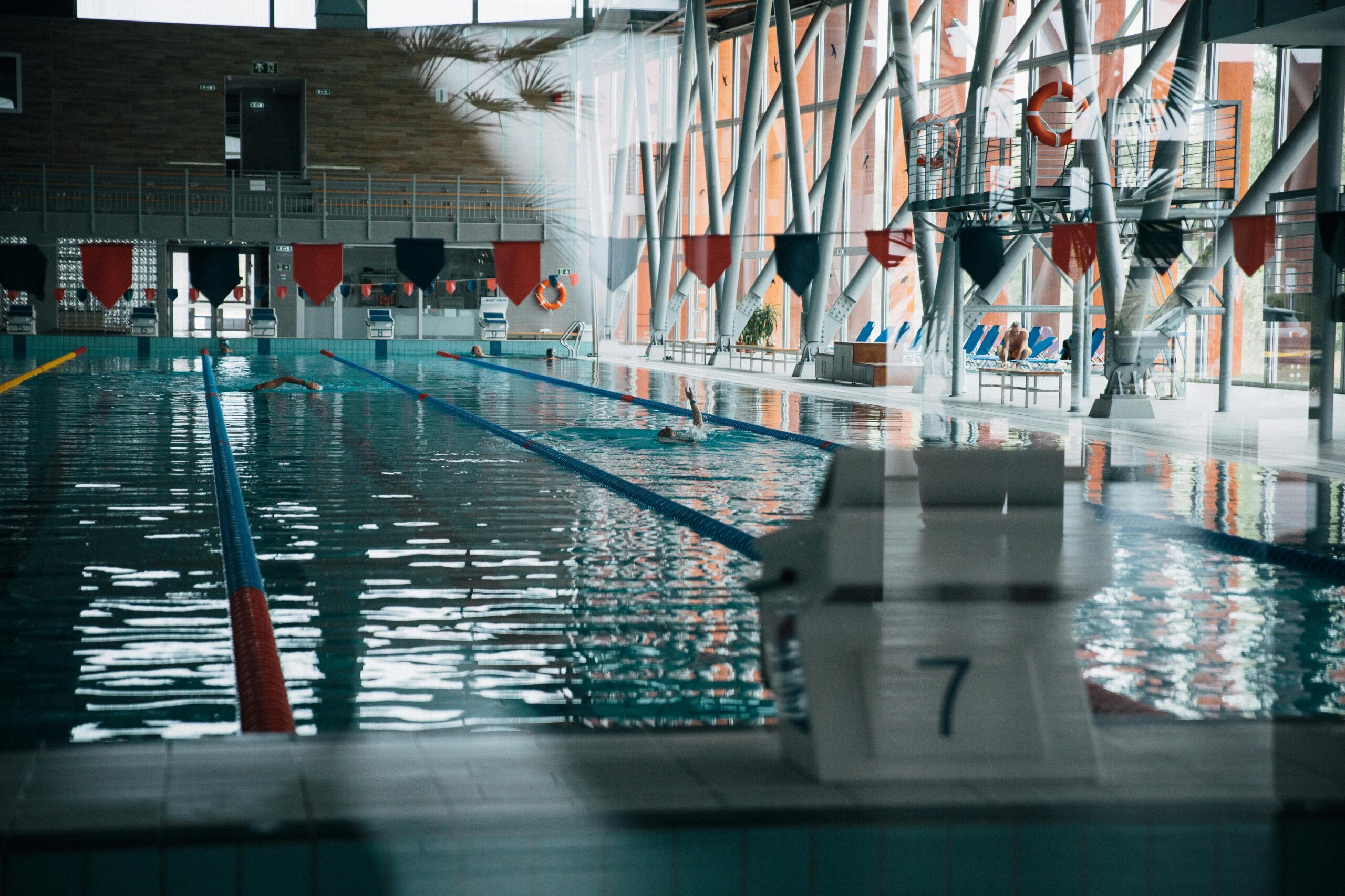
Introduction to Indoor Pool Structural Design

The process of designing an indoor swimming pool extends much further as compared to just digging a hole and pouring in some water. Structural design of an indoor pool is a professional field of engineering and design that makes certain that the pool will be safe, durable, and useful in the years that follow. Contrary to outdoor pools, indoor pools have their own stresses of the environment, including humidity, chemically contaminated air, and constant occupancy loads, which may cause structural integrity and air quality to be compromised. Knowledge of the basics of structural design of indoor pools is a necessity among both engineers and architects, as well as facility managers.
What “Indoor Pool Structural Design” Means in Modern Construction
In contemporary construction, the design of indoor pool structures is the planning, computing, and execution of structural components that provide a pool and the water, as well as the facility around it. It covers all the load-bearing walls and beams as well as the foundations, decking, and roof structure. A well-designed indoor pool structure not only has to hold water, but it must also include loads that are dynamic, the surrounding environmental factors, and building codes, such that it is safe and lasting.
Why Indoor Pools Require Specialized Structural Planning
The structural material of indoor pools is affected more by moisture and chlorine because it is in a closed environment. Specialised planning is necessary to prevent corrosion, deterioration, as well as the growth of moulds that can destroy the facility. In addition to this, indoor pools are usually fitted with advanced HVAC systems to control the quality of the air and humidity; this should be considered in the design of the structure. It might fall on the head of the people or even crash on tiled floors unless well planned, or even cause the collapse of the structure.
Key Challenges in Designing Indoor Pool Structures
The task of planning the indoor pools consists of a complex of interconnected issues:
- Weight of water: 1 cubic meter of water will weigh approximately 1,000 kg; consequently, the weight of the heavy pools will present a colossal weight on the foundation.
- Humidity and exposure to chemicals: The air is chlorinated, and when not controlled appropriately, it can cause corrosion to steel, concrete, and other materials.
-
Co-location with architecture and the HVAC: The building should accommodate ventilation systems, light, and its aesthetic design without undermining stability.
Understanding the Basics of Indoor Pool Structural Design
Advanced design is grounded in a solid understanding of the basics. The construction of indoor pools is based on engineering principles, the selection of materials, and the accuracy of calculations to ensure safety and durability.
Essential Structural Components of Indoor Pool Facilities
There are several essential elements to indoor pools:
- Foundation and slab: Structures the whole water body and the deck areas.
- Walls and retaining structures: Beam and counter lateral force.
- Beams and columns: Support roofs, mezzanines, or balconies.
- Pool shell: This is typically reinforced concrete, though it may contain tile or linings of a waterproof sheet.
All the parts should be designed to interact, considering the dynamic and static loads.
Load Considerations: Water Weight, Occupancy, and Environmental Loads
The structural design of the indoor pool is based on load analysis:
- Water load: This is the most significant load, where an exact foundation is needed.
- Live load: swimmers, equipment, and furniture.
- Loads on the environment: roof snow, wind pressure, and seismic.
Any lack of calculating these correctly may lead to structural stress or structural collapse.
Fundamentals of Moisture, Corrosion, and Humidity Control
The indoor swimming pools may cause the air to get humid, and this augments the speed at which corrosion and material deterioration occur. Engineers must:
- Indicate waterproof materials.
- Well ventilated and dehumidified.
- Protective coating of coated steel and concrete.
These solutions prolong the life of the facility and guard against structural integrity.
Common Mistakes in Indoor Pool Structural Planning
The most common mistakes are:
- Low estimation of water or occupancy loads.
- Disregard corrosion sub-effects of chemicals.
- Lack of combining HVAC with drainage systems and structural design.
- The application of unsuitable building materials.
Strategic planning and compliance with best practices are necessary to avoid these mistakes.
Materials and Technologies Used in Indoor Pool Structural Design

The choice of appropriate materials and technologies plays an important role in the realisation of a durable and safe indoor pool structure.
Best Structural Materials for Indoor Pool Environments
- Reinforced concrete: It is durable, flexible, and strong against the pressure of water.
- Stainless steel and aluminum: They are used to provide the most successful use in structural reinforcements and fixtures due to their corrosion resistance.
- Special coatings and sealants: Resistant to chlorine and moisture of concrete and metal.
Waterproofing and Vapor Barriers: What Engineers Must Consider
Waterproofing: this is not a deal-breaker:
- Membranes and coatings: Keep away from water seepage.
- Vapor barriers: Do not allow the encouragement of moisture to enter the walls and ceilings.
- Joint seals: Not prone to expansion when heated.
Advanced Structural Technologies and Smart Building Systems
The contemporary indoor pools have the advantage of:
- Ready-made concrete blocks are to be built quickly.
- Early sensors of stress or leakages in the structure.
Built-in dehumidification and heating systems were developed together with the structure.
Comparing Traditional vs. Modern Structural Design Methods
The use of traditional designs was based on simple concrete and steel, not necessarily taking into account the exposure to chemicals. Contemporary technologies are used to provide combinations of BIM modeling with sophisticated load simulations and material science to increase lifespan and performance.
Engineering Libraries, Codes, and Design Standards
Engineers of indoor pools are guided by standardized practices, design libraries, and modeling tools, which are used to assure conformity and precision.
Structural Engineering Codes for Indoor Pool Facilities
It is necessary to follow building codes both locally and internationally, which include:
- Load requirements.
- Material specifications.
- Public or residential swimming pool safety regulations.
Design Libraries: BIM Models, Structural Templates, and Specification Tools
Design libraries, BIM (Building Information Modeling) enable engineers to model structural loads, material behavior, and previous interactions with HVAC and architectural elements before the commencement of construction.
Safety and Compliance Requirements
The indoor pool structures should be able to satisfy:
- Fire safety standards.
- Accessibility regulations.
Location-dependent seismic, wind, and snow load requirements.
Real-World Indoor Pool Structural Design Applications
The pragmatic implementation of structural principles would convert theory into practical tools that are safe.

Case Studies of Successful Indoor Pool Structures
Successful projects mix: from residential facilities to Olympic arenas.
- Proper load analysis.
- Moisture control.
- HVAC and architectural aesthetics integration.
How Structural Design Impacts Air Quality and Ventilation Systems
Placement of the structure influences the air movement, condensation, and quality of air. The healthy indoor environments are ensured by proper coordination, and corrosion is prevented.
Designing for High-Traffic Facilities vs. Residential Indoor Pools
Public pools that have e large traffic demand require heavier walls, more stable slabs, and more effective safety measures. The residential pools can be more adaptable, yet they must require careful moisture and load management.
Combining Structural Design, Aesthetics, and Architecture
Indoor pools are not only pretty, but they also have a use in contemporary times. The architects and the engineers work together to create a combination of working form and beauty.
Step-by-Step Indoor Pool Structural Design Process
Site Evaluation and Structural Assessment
The conditions of soil, level of groundwater, and environmental concerns should be examined before commencing design.
Modeling, Analysis, and Load Calculations
Check by simulation of structural loads in BIM, FEM, or other engineering programs to be safe and to be compliant.
Construction Phase Considerations
Examine the quality of the construction and ensure that the materials are ordered correctly, the reinforcement and the waterproofing are installed correctly.
Monitoring and Maintenance during the Post-Construction phase
Regular checks, structural health checks, and repairs will ensure that no long-term damage and lengthening of the pool life cycle.
Future Trends in Indoor Pool Structural Design

Green Building Materials and Sustainable Building Materials
Recycled steel and low-VOC finishes, eco-friendly concrete do not hurt the environment, and they do not affect durability.
Smart Sensors and Structural Health Monitoring
The sensors monitor the structural stress, water leakage, and humidity in real time and allow anticipatory maintenance.
Designs of Indoor Pool Facilities that are energy-saving
These are combined with energy-efficient HVAC systems, natural lighting, and solar heating to reduce the operation cost and environmental footprint.
Conclusion
The structural design of an indoor pool is a multidisciplinary, complex process that needs to be planned carefully, using high-tech materials, and complying with codes and standards. Having the fundamentals at hand, knowing how to pick the correct materials, having a clue of the modern technologies, and knowing the challenges that might appear in real life, engineers and architects might create indoor pools that are not only reliable and safe but also efficient and attractive. An efficient indoor pool facility will guarantee years of pleasure with the least maintenance troubles and risks of operation.
FAQs About Indoor Pool Structural Design
1. What is the structural design of an indoor pool?
Indoor pool structural design. The engineering process of guaranteeing that the pool shell, building envelope, support structure, moisture barrier, and HVAC system can take e continuous load of water, humidity, and chemical loads.
2. What is the computation of water load on indoor pool design?
The engineers estimate the water load with regard to the volume of the pool, the depth profile, and the hydrostatic pressure. This load influences the foundation, pool shell thickness, and reinforcement requirements.
3. The significance of insulation in indoor pool constructions?
Insulation does not allow condensation to occur in the wall system, it keeps buildings energy efficient, and it shields the structural members by ensuring that the building envelope is at constant temperatures.
4. Are indoor pools of special foundation consideration?
Yes. The heavy water load should be supported by foundations, and the soil movement should be prevented. Reinforced footings or slabs are also used by engineers to enable them to deal with hydrostatic pressure and exposure to moisture.
5. What is the life expectancy of the structure of an indoor pool?
An indoor pool structure can also endure 30 and 50 years with good designs and maintenance, especially when the materials are designed to withstand corrosion and when moisture is well controlled.