

Understanding the Question: Are Robotic Pool Cleaners Worth It?

When the question is, ‘Are robotic pool cleaners worth it?‘ The people would hardly be seeking a yes or no answer. The real question that they want to be answered is whether the convenience, cleaning performance, and long-term value are worth the immediate price in comparison with the old ways of cleaning the pools. This is a question that is often asked out of frustration; manual vacuuming is time-consuming, hiring pool services is too costly, and suction or pressure cleaners do not always work.
This guide essentially aims to assist you in making a decision on whether a robotic pool cleaner is worth investing in for your particular pool, lifestyle, and budget, not just on paper but on the ground.
“Are Robotic Pool Cleaners Worth It?”
The three things that a majority of pool owners consider when posing this question are
- Cost vs. convenience. Will it really save time and effort?
- Performance vs. expectations—is it any better than my current one?
- Value in the long term—Does it cut down on maintenance costs in the long run?
That is, they are not merely enquiring whether robotic pool cleaners do work, but they are asking whether they will be a smart investment.
Who This Guide Is For (Pool Owners, Buyers, First-Time Users)
This guide is written for:
- Current pool owners are fed up with hand cleaning.
- Buyers of new pools are choosing equipment to invest in.
- Novice robotic cleaner shoppers who do not know where to start.
- Homeowners who are comparing suction cleaners or pressure cleaners to robot cleaners.
This guide is expected to provide clarity to you, whether you are doing research before making a purchase or reconsidering your existing arrangement.
What This Guide Covers (Basics to Real-World Experience)
And we will do it in stages, to know how the robotic pool cleaners work, to know the cost, the capabilities, and the pros and cons of this type of cleaner, and, no doubt, to know the opinion of professionals to orient your mind on whether it is worth buying a robotic pool cleaner or not.
What are robotic pool cleaners, and how do they work?
One has to be taught what robotic cleaners of pools are and how they differ from other alternatives before establishing whether they should be paid or not.
Definition of Robotic Pool Cleaners (Simple Explanation)
A robotic pool cleaner is a self-contained, electric-powered machine that cleans the floor and walls of your pool, as well as, in some cases, the waterline on its own. It does not even need the pump or the filtration system of your pool like the others. It is as easy as putting it in the pool, plugging it in, and letting it work.
How Robotic Pool Cleaners Clean Pools
Robotic cleaners have onboard motors and intelligent navigation systems to travel around the pool. As they travel, they:
- Wipe the scrub surfaces using rotating brushes.
- Vacuum dirt, debris, and algae
- Collect trap debris on an internal filter basket or cartridge.
More sophisticated models map the pool in order to prevent random movement and guarantee more intensive and efficient cleaning.
Key Components (Motors, Filters, Brushes, Sensors)
The majority of the robotic pool cleaners include:
- Drive motors for movement
- Pump motors for suction
- Wash the scrubbing brush to loosen dirt.
- Fine and large particle high-capacity filters.
- Cleaning path optimisation sensors or algorithms.
These parts come together to provide a unified cleaning process without having to clean it manually.
Robotic Pool Cleaners vs Suction & Pressure Cleaners
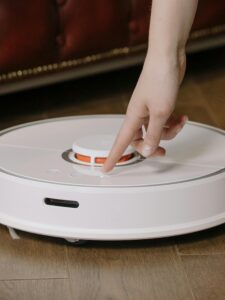
Compared to suction and pressure cleaners:
- Robotic cleaners are self-driven.
- They offer more vigorous cleaning.
- They do not put a strain on the pump of your pool.
- They capture finer debris.
This distinction is significant in their total worth.
Do Robotic Pool Cleaners Justify the Price?
The biggest reluctance is often in the cost, which is quite natural.
Average Cost of Robotic Pool Cleaners
Robotic pool cleaners are usually sold between the mid-hundreds and pricier devices, and it depends on all characteristics such as wall climbing, smart navigation, and operating via apps. Although the price is higher than the bare cleaners initially, you should think of what you are paying for.
Operating Costs (Electricity, Maintenance, Repairs)
The costs of operation are not high. Robotic cleaners consume a small amount of electricity in a single cleaning cycle. Maintenance normally includes:
- Cleaning filter baskets
- Periodical brush replacement.
- Motor servicing after some years (over a long period).
When compared to the fee of continuous service, these expenses can be a small one.
Long-Term Savings vs Manual Cleaning Services
And, in case you now pay somebody to clean your pool, a robotic cleaner will prove to be cost-effective in the long run. The partial decrease in the frequency of the service can lead to evident savings even in several seasons.
Cost vs Performance Comparison
Robotic cleaners have the potential to offer better quality and reliability, and more time in their cleaning, and this is where the real value comes in when comparing cost and performance.
Real-World Performance of Robotic Pool Cleaners
Robotic cleaners cost more or less depending on their performance, so they can prove their worth.
Cleaning Effectiveness in Different Pool Types
Robotic cleaners are effective in:
- In-ground pools
- Vinyl, concrete, and fibreglass surfaces.
- Sloping and stepping pools (dependent on the model)
More advanced models deal with more complicated shapes and clean walls more than the entry-level models.
Time Savings Compared to Manual Cleaning
Time is one of the greatest benefits. What used to be a matter of hours of brushing and vacuuming is now the touch of a button. This is the only thing that makes robotic pool cleaners worth the money to many of the owners.
Ease of Use and Automation Benefits
The majority of robotic cleaners are also easy to use:
- Drop it in
- Turn it on
- Remove and rinse the filter
Even more convenient are advanced models, which provide controls in the form of scheduling and apps.
Typical Weaknesses and Disadvantages
Robot cleaners do not satisfy all the needs, and even though they are more perfect in numerous aspects, they are not perfect. They can:
- Large debris causes difficulty in the struggle unless filters are sized up appropriately.
- These have to be manually put in and out.
- Have higher upfront costs
Realistic expectations are facilitated by an understanding of these limitations.
Who Are Robotic Pool Cleaners Worth It For?
A robotic cleaner is not equally helpful to all pool owners.

Best for Busy Homeowners
Robotic cleaners would be a good fit in the event of time constraints and/or the issue of the cleanliness of the pools. They are particularly useful in families that spend most of their time in the pool.
Ideal Pool Sizes and Shapes
Robotic systems are best suited to medium or large pools, or pools where there are walls and waterlines that must be cleaned regularly.
When Robotic Pool Cleaners May Not Be Worth It
They are less practical too:
- Very small pools
- Pools with minimal debris
- Owners who would like to have hands-on maintenance already.
Alternatives for Budget-Conscious Pool Owners
Suction or pressure cleaners can also serve as potential alternatives in case the main factor is the budget, but they also have their limitations.
Robotic Pool Cleaners vs Other Pool Cleaning Options
Comparison of alternatives aids in the clarification of value.
Robotic vs Manual Pool Cleaning
Manual cleaning is less expensive in terms of initial costs but requires time and continual effort. Robot cleaners are exchanging money for convenience and consistency.
Robotic vs Suction Pool Cleaners
Suction cleaners are dependent on your pool system and have a limited range of scrubbing, while robotic cleaners are self-reliant and more complete.
Robotic vs Pressure Pool Cleaners
There are pressure cleaners that enhance the removal of debris, but they still require the support of external systems. The overall effect of robotic cleaners is more efficiency.
Which Option Offers the Best Value?
Robotic cleaners offer optimal performance, convenience, and value over time to most contemporary pool owners.
Benefits and drawbacks: Could robot pool cleaners pay off in 2025?
There is a need to consider the two sides.
Key Advantages of Robotic Pool Cleaners
- Superior cleanliness performance.
- Time-saving automation
- Energy efficiency
- Less pool equipment strain.
Disadvantages and Maintenance Concerns
- Higher upfront cost
- Periodic maintenance
- Not fully “set and forget”.
Expert Opinions and Industry Insights
The use of robotic cleaners in residential cleaning is becoming the best recommendation by industry professionals, particularly with the improvement of technology.
FAQs About Robotic Pool Cleaners
Are Robotic Pool Cleaners Worth It for Small Pools?
They can, and less complicated solutions can do the trick with regard to use.
Do Robotic Pool Cleaners Replace Manual Cleaning?
They greatly decrease it, though it still requires some occasional manual touch-ups.
How long can a robotic pool cleaner last?
Some of them live for several years with good attention.
Are Robotic Pool Cleaners Energy Efficient?
They indeed consume much less energy compared to conventional pool systems.
Conclusion: Is it worth it to have robotic pool cleaners?
Quick Summary of Benefits vs Costs
Robotic pool cleaners have good cleaning ability, convenience, and durability, particularly for hectic pool owners.
Our Recommendation Based on Pool Type & Budget
Robotic pool cleaners are worthy of the money for most medium- and large-sized pool owners living in their homes. The initial expense is higher, but they save time, maintain a high level of cleanliness, and save on the maintenance effort, which makes them a good investment in the long run.