
Introduction: What Is an Indoor Swimming Pool with a Hot Tub?
Simple Definition for Beginners
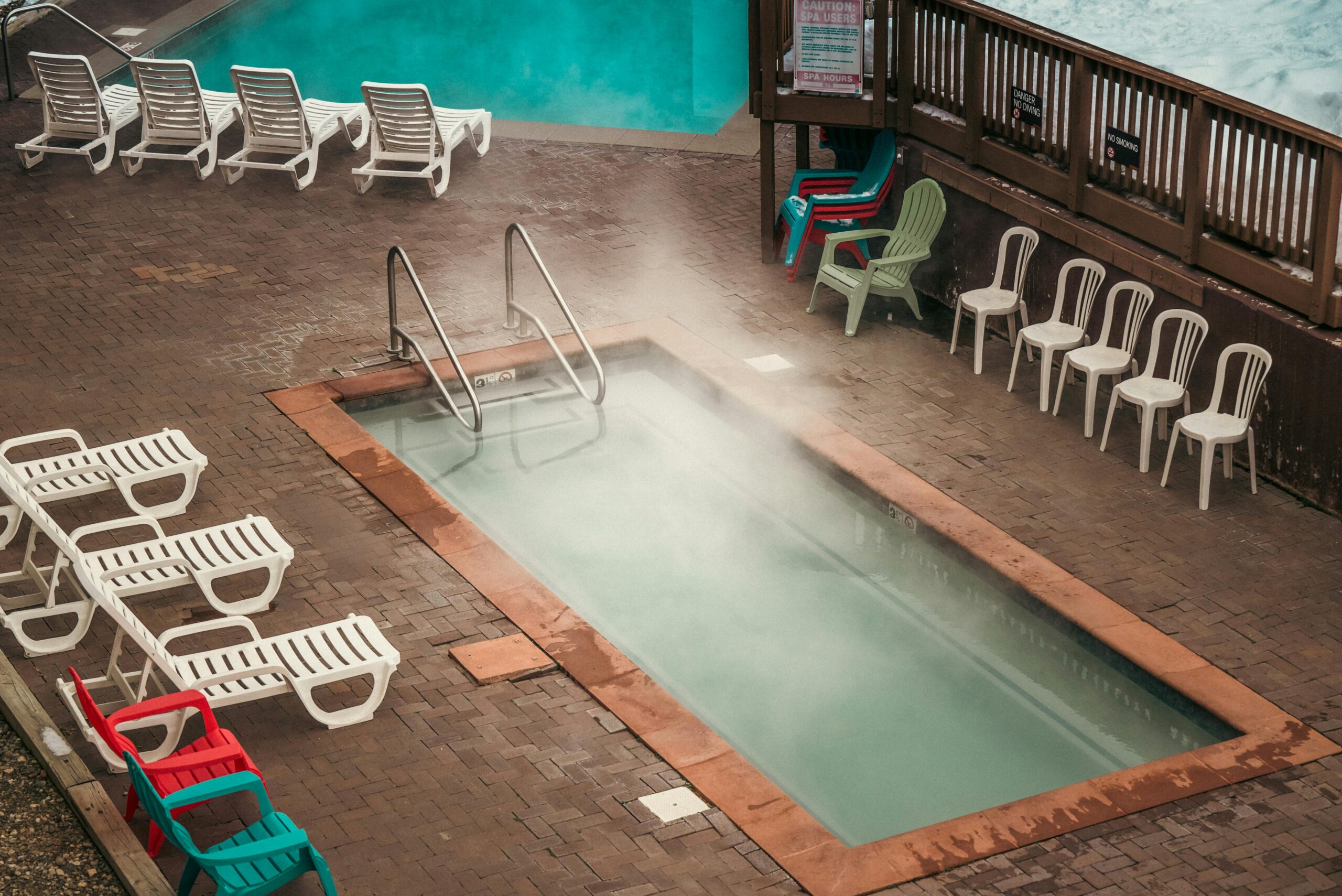
An indoor swimming pool and hot tub are completely enclosed bodies of water, and a normal pool of water and a hot spa or jacuzzi are contained in the same room. The two may be constructed next to each other, united by a shared deck, or made into a single multi-zone building. The uniqueness of this setup lies in its ability to provide year-round swimming, exercise, relaxation, and hydrotherapy, regardless of the weather outdoors.
Why Combine an Indoor Pool and Hot Tub?
Combining a hot tub with an indoor pool is a unique blend of two worlds. You can do laps, play, or even exercise in warm, controlled water and then move on to the hot tub, which is relaxing to the muscles. The integrated combination makes the room more diverse and becomes a personal wellness centre. The fact that homeowners can stay active and have spa-like retreats within walking distance of their living quarters is also a source of convenience.
Who This Guide Is For (Homeowners, Designers, Builders)
This is a guide that anyone out to undertake an indoor pool and hot tub can follow.
- Customers will be aware of design options, price, and maintenance.
- Layout concepts, textures, and beauty will be provided to designers.
- Technical details, ventilation requirements, and structural requirements will help the builders and the contractors.
This guide is comprehensive in both the basics and the advanced engineering, whether you are intending to build a new space or you are upgrading an existing space.
Indoor Swimming Pool With Hot Tub Basics
Key Components of an Indoor Pool–Hot Tub Setup
An indoor pool-hot tub room is a functional room that consists of several elements that all collaborate:
- Fibreglass or vinyl shells of the swimming pools.
- Hot tub or spa (inbuilt or prefabricated)
- Both pool and spa heating systems.
- Circulation, filtration equipment.
- Dehumidification and ventilation systems.
- Waterproof flooring and walling.
- Lighting, electrical, and safety.
Every component needs to be synchronised to manage humidity, the quality of air inside the building, and continuous water demand.
Common Pool and Hot Tub Types Used Indoors
In the case of indoor installations, the most popular ones are
- Concrete pools: can be made of any size and shape.
- Fibreglass pools: quicker installation, finishes.
- Swim spas: small structures that integrate a hot tub with a pool that is jet-powered.
- Inbuilt hot tubs: embedded in the floor or deck.
- Portable hot tubs: simpler and cheaper.
It is a question of space, cost, and required functionality.
Materials, Shapes, and Styles That Work Best Indoors
Inside the building, materials have to resist moisture and be durable. Popular choices include
- Pool finishes made of tile or quartz.
- Fibreglass hot tub shells
- Porcelain or stone floor with non-slip.
- Insulated or hardened glass windows.
- Composite wall panelling, PVC or composite.
Popular shapes include rectangular lap pools, free forms, and hot tubs, which are usually circular, square, or octagonal.
Essential Safety and Building Code Requirements
Indoor aquatic areas should be of high standards of safety, such as:
- Electrical circuit protected by GFCI.
- Anti-slip surfaces
- Proper drainage
- Childproof door locks
- Sufficient ventilation based on local building codes.
- Water weight load assistance: structural.
These provisions guarantee safety, comfort, and compliance in the long term.
The operation of Indoor Swimming Pools with Hot Tubs
Learning Heating, Circulation, and Filtration Systems
The pool and the hot tub have their specific systems that ensure clean and warm water. The pool has a heater, pump, and sand or cartridge filter, whereas the hot tub has a large output heater, circulating pump, and fine mesh filter. Water is constantly circulated in such systems in order to remain sanitary, balanced, and comfortable.
Moisture, Humidity, and Ventilation Needs
Indoor pools generate huge quantities of humidity; hence, the room should have:
- Dehumidifiers to stop mould and condensation.
- Ventilation systems that are fresh-air based.
- Effective insulation and vapour barriers.
- Climate control systems maintain a slightly warmer air temperature than the water temperature.
Moisture management is one of the most important issues in an indoor installation.
Structural, Plumbing, Electrical Considerations
As pools and hot tubs hold thousands of litres of water, the room design must be able to withstand weight and exposure to the water, as well as vibration.
- Electrical systems are to have waterproof outlets and grounded outlets.
- Plumbing should permit effective draining and the supply of water.
- Installations on top storeys might have to be reinforced structurally.
Differences Between Indoor vs. Outdoor Installations
The benefits of going indoors include lots of consistency in temperatures, lack of external polluters, and complete privacy. Nevertheless, you have increased complexity of construction, increased moisture management, and increased ventilation expenses. Outdoor installations can be easier, but indoor installations can be used all year round.
Designing & Planning a Functional Indoor Swimming Pool With Hot Tub
Space Planning, Room Size, and Layout Options
The design is based on the layout of the room and its use. Rectangular rooms that are long are suitable for lap pools, whereas large rectangular rooms serve recreational pools and larger hot tubs. Make sure there is room to carry out the equipment, sitting areas, walkways, and storage.
Choosing the Right Location in Your Home
Common locations include:
- Basements
- Home additions
- Converted garages
- Enclosed patios
- Dedicated wellness rooms
The optimal place has the advantage of having stable floors, easy access to ventilation, and noise insulation.
Lighting, Flooring, and Interior Design Elements
The lighting is a determining factor, a combination of natural light, LED ambient light, and underwater lights. Flooring must be waterproof, slip-proof, and simple to clean. The common interior designs include spa-styled minimalist designs and rustic indoor retreats.
Improvements of Privacy, Comfort, and Safety
Enhancements may include:
- Privacy glass
- Lounge seating
- Soft, warm lighting
- Handrails and steps
- Echo control acoustic treatment.
Such specifications make comfort and safety take a notch higher.
Budgeting and Cost of an Indoor Swimming Pool With a Hot Tub

Operation Expenses: Heat, Electricity, and Maintenance
Monthly costs can include:
- Heating: moderate to high based on the temperature of the water.
- Lighting, pumps, and dehumidifiers: electricity.
- Cleaning materials and chemicals.
- Routine repairs
The cost savings in the long run are achieved through energy-efficient equipment.
Cost-Efficient Design Solutions
You can lower costs by:
- Deciding on a fibreglass pool or a swim spa.
- Making custom shapes out of standard shapes.
- The application of energy-efficient insulation.
- Selecting a smaller hot tub
- Installation of strong yet cost-effective flooring materials.
Intelligent thinking makes your project affordable.
Real-World Applications & Use Cases
Luxury Home Setups
Luxury houses tend to have large wellness rooms that have waterfalls, LED lighting, saltwater, and a built-in entertainment area.
Compact or Small-Space Indoor Pool–Hot Tub Combos
Even small areas can be transformed using small lap pools, swim spas, or plunge pools accompanied by a corner hot tub.
Spa-Inspired Designs and Wellness Rooms
These rooms are a combination of pools, hot tubs, saunas, steam rooms, and relaxation seats to have the entire wellness experience at home.
Swim Spa + Hot Tub Models that are Fitness-oriented
A swim spa has resistance jets that offer continuous swimming, and the hot tub offers therapy after conducting the work.
Maintenance & Care Guide
Water Chemistry for Pools and Hot Tubs Indoors
Balanced chemistry eliminates algae, scale, and murky water. Maintain levels for:
- Chlorine or bromine
- pH
- Alkalinity
- Calcium hardness
- Stabiliser (if required)
Avoiding Moisture, Mould, and Structural Damage
Ensure that there is adequate air circulation, always cover, keep the surface dry, and take care of your dehumidifier. The damping prevents the room construction.
Advantages & Disadvantages

The Major Advantages (Comfort, Security, 24/7)
You have the freedom to swim anytime you wish, complete privacy, and you have a temperature irrespective of the weather conditions. A hot tub provides relaxation therapy daily.
Common Challenges (Humidity, Airflow, Cost)
The greatest problems are in the control of humidity, proper airflow, and the increasing cost of construction and operation.
How to Overcome These Challenges
A good dehumidifier, a proper ventilation system, moisture-proofing material of construction, and efficient equipment are used to ensure that issues are kept in check.
FAQs
What size of an indoor swimming pool and a hot tub do I require?
It requires at least 400-800 square feet of area, depending on the size of the pool and whether the construction will be performed inside or outside of the area of a hot tub construction.
Is it possible to install an indoor pool in a basement or on an upper floor?
Most basements are typical and ideal, mainly due to concrete slabs and natural insulation. It may also be utilised on higher levels, but in this case, a structural engineer has to express that the weight burden would be secure and then begin building.
Is it more costly to maintain indoor pools compared to outdoor pools?
The operation cost is potentially increased due to ventilation, dehumidification, and heating, but it is easier to maintain, with no weather debris, less chemical treatment, and constant water temperature.
Conclusion
An indoor swimming pool with a hot tub is a big investment undertaking, but in most cases, it is one of the most rewarding projects that is installed in a home. You can have your own private oasis to relax, work out, and have fun with your family, without being affected by weather or seasonal factors. When carefully thought out, constructed with an awareness of the environment, and designed mindfully, this area will be a wellness retreat that will benefit your home and last for a long time.