
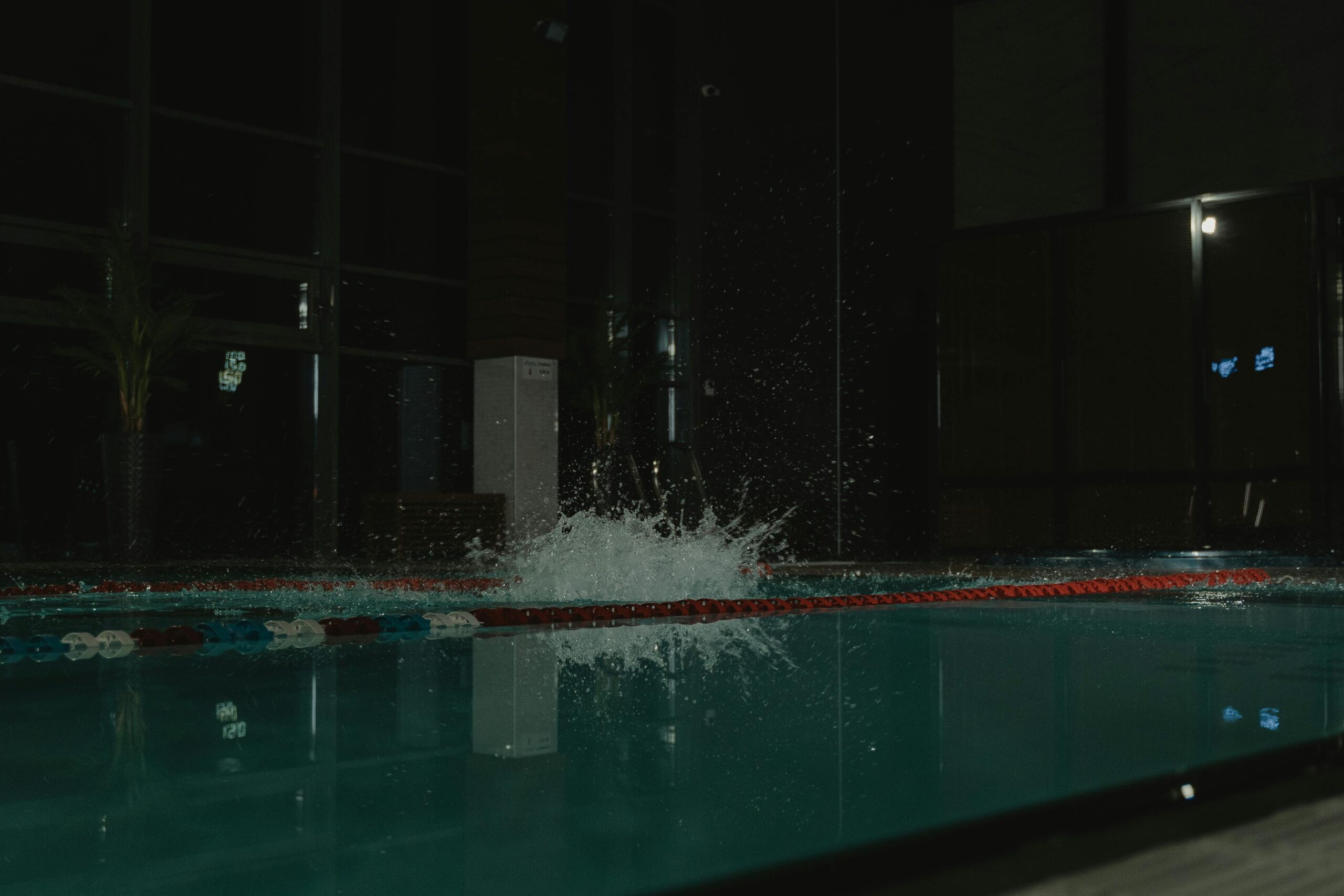
What Is Indoor Pool Cough?

Indoor Pool Cough is a cough of the throat and the breathing that is witnessed by most individuals who have stayed in an indoor swimming pool. It normally presents itself in the form of a dry coughing phenomenon, chest tightness, or a scratchy throat after swimming or even proximity to the pool. This is not a cold or flu; this cough was brought about by the air one breathes in the pool room.
Simple Explanation of Indoor Pool Cough
The Indoor Pool Cough occurs when your lungs and airways are irritated due to chemicals and the poor quality of air in an indoor swimming pool. The water contains chlorine, which combines with sweat, urine, and other body oils to produce chemical gases, which cause an increase in the air. And at the time of breathing that air, it irritates your lungs and throat, and you cough.
What People Mean When They Say “Indoor Pool Cough”
When individuals mention that they experience an indoor pool cough, they tend to refer to
- Their coughing is initiated when they swim or after swimming.
- Their throat is either dry or scratchy.
- Their chest feels tight.
- The aftermath of breathing is painful for hours or days.
Most swimmers believe that this is not a normal occurrence in swimming indoors, but rather an indicator that the quality of the air in the pool is poor.
Why Indoor Pool Cough Happens After Swimming
Swimming agitates the water in the pool, thereby emitting more chemical gases into the atmosphere. The more people swim and splash, the more chloramines are emitted. The breaths of the swimmers are also more rapid and deep, drawing a greater number of these irritants deep into the lungs. That is why coughing usually begins during or immediately after swimming.

Who Is Most Affected by Indoor Pool Cough
Indoor Pool Cough can be acquired by anyone, but certain people are more sensitive, such as:
- Children
- Competitive swimmers
- Lifeguards and pool staff
- Individuals who are allergic or asthmatic.
- Any person who spends much time in indoor pools.
The more time you are exposed, the worse the symptoms tend to be.
What Causes Indoor Pool Cough?
Chlorine does not cause an indoor pool cough; rather, the chemical byproducts that develop when chlorine combines with contaminants in the water do.
Chloramines and Their Effect on the Lungs
Chloramines are chemical gases that are formed due to a mixture of chlorine with sweat, urine, skin oils, and cosmetics. These gases are suspended slightly over water, in the location where swimmers take their breath. Chloramines cause irritation and swelling of the lungs and airways, which result in coughing, burning, and difficulty in breathing when inhaled.
How Chlorine Gas Forms in Indoor Pools
All swimmers carry organic waste to the pool in spite of showering. This waste is reacted with chlorine to kill germs; however, it produces gases that are irritating. These gases find no escape in the air in the indoor pools; hence, they accumulate in the air.
Poor Ventilation and Trapped Pool Air
The indoor pools should always eliminate contaminated air and introduce fresh air. In the case of weak, broken, or poorly designed ventilation systems, chemical fumes remain in the pool room. These generate unhealthy breathing conditions, which cause coughing and irritation of the lungs.

High Humidity and Chemical Buildup
Humidity causes chemical gases to hang about in the atmosphere. Moist air does not allow chloramines to rise and be eliminated, but keeps them near the breathing zone. It is due to this that most indoor pools are stuffy and reek of chlorine.
Why Indoor Pools Are Worse Than Outdoor Pools
Outdoor pools emit gases of chemicals to the open air, which is diluted by wind and fresh air. Indoor pools contain such gases within a closed environment where they can accumulate to a point of irritating the lungs.
Symptoms of Indoor Pool Cough
Dry Cough After Swimming
The irritating dry cough is the most common symptom, and its onset occurs during the stay in an indoor pool, and it can take several hours or even days.
Tightness in the chest and Wheezing
Others will experience pressure in the chest area or a whistle when breathing. This occurs due to inflammation of the airways.
Throat and Lung Irritation
The throat can get burnt or scratchy, and deep inhalation can be uncomfortable.

Indoor Pool Cough: What to Do When It Gets Risky
In case coughing is so intense, spans over days, or is accompanied by shortness of breath, it can be an indication that there is severe lung irritation, and it cannot be overlooked.
Indoor Pool Cough in Children and Swimmers
This is particularly dangerous to children and competitive swimmers since their lungs are not yet fully formed, or they inhale deeply over an extended duration.
What Makes Indoor Pool Cough Worse
There is a worsening of the indoor pool cough as a result of poor management of the pool environment.
- Poor air quality has the effect of trapping chemicals.
- High levels of chloramine are characterized by strong odors of chlorine.
- Poorly functioning HVAC systems do not get rid of polluted air.
- When the pool is crowded, this generates chemicals that have waste.
- Unclean or unbalanced water generates more poisonous gases.
How to Stop Indoor Pool Cough
An indoor cough cannot be stopped without improving the quality of air and water.
- Dangerous gases are eliminated by fresh air ventilation.
- Prevention of chloramine prevents chemical irritation.
- Correct HVAC systems get the polluted air out.
- The chemical dehumidifiers inhibit the accumulation of chemicals.
- Equilibrium water chemistry decreases the formation of gases.
The cough is fixed by the fix of air.

How to Prevent Indoor Pool Cough
Prevention consists of ensuring the environment of the pool remains clean and breathable.
- Maintain humidity between 50 and 60%.
- Keep the chlorine concentration.
- Wash and filter water in pools.
- Install good-quality ventilators.
- Clear polluted air regularly.
A properly maintained pool does not make one cough.
FAQs
Is an indoor pool dangerous?
Yes, chronic exposure may lead to the destruction of the lungs occurring in addition to asthma deterioration.
Could chlorine cause impairment of the lungs?
Continuous inhalation of chlorine effluents can result in irritation and inflammatory responses in lung tissue.
Why do I cough after I have been indoors swimming?
Due to inhaling chemical gases that were trapped in the air of the pool.
How long does an indoor pool cough last?
It may take several days or a few hours based on exposure.
Conclusion
Coughing in an indoor pool is not a normal thing; it is a sign of danger. It implies pollution of the air in the pool with dangerous chemical gases. This cough would be eliminated when indoor pools are well ventilated, balanced, and controlled. Healthy swimming is the same as clean air.