

Introduction: Ceiling Height Requirements for Indoor Pools
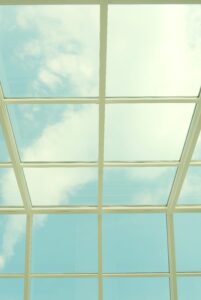
Why Ceiling Height Matters in Indoor Pools
The ceiling height is a critical issue as far as the feel, functions, and performance of an indoor swimming pool are concerned, within a period of time. It is not just a matter of design, but it has a direct impact on air flow, humidity, lighting, and the general safety of the enclosure of the pool. A ceiling that is too low may cause condensation problems as it may trap warm, humid air, and an overly high ceiling will result in energy wastage and poor temperature control.
The height of the ceiling, when properly designed, supplements the HVAC system by ensuring good air conditioning, avoiding moisture diffusion, and assuring comfort to both swimmers and spectators. It also affects light dispersion on the pool area, both natural and artificial, which results in a nice and aesthetically harmonised area.
Here, you will find all the information on ceiling height requirements of indoor pools, including the standard size and engineering considerations, building code requirements, and real-world design considerations, as well as practical examples that enable you to make wise decisions.
Understanding the Basics of Indoor Pool Ceiling Height
During the construction of a pool, the ceiling height requirement is the minimum and recommended distance between the surface of the water and the ceiling of the roofing or roof structure that is above it. This height is safe to use, exchange of air and sufficient space to house equipment, lighting, and accessibility to maintenance are sufficient.
Ceiling heights of residential indoor pools are usually between 9 and 12 feet (2.7 and 3.6 meters). This is sufficiently clear, as one can install ventilation ducts, lighting, and comfortable air circulation.
In a commercial or other public organization, as with a fitness center, school, or hotel, the height may be 14 to 25 feet (4.3 -7.6 meters), particularly where a diving platform is required or a high spectator bench.
These dimensions are dependent on several factors:
- The type and depth of the pool: Diving or deep pools demand more overhead clearance.
- Room size: Smaller rooms should have relatively high ceilings to prevent trapped humidity.
- HVAC and dehumidification systems: These systems determine airflow patterns and impact minimum space requirements.
- Exercising intensity: Competitive swimming, diving, or aquatics training can require greater safety and air clearance ceilings.
Standard Height Guidelines for Indoor Pools
Although there is no standard that can be considered one-size-fits-all, general industry standards provide practical guidelines.
- Residential pools: Standard size is 9-12 feet in order to be comfortable and able to handle air.
- Commercial pools: 1420 feet, based upon the type of pool, ventilation needs, and spectator space.
- Diving pools: Minimum 16 feet, and often 1820 feet to allow sufficient distance above the top of a jump used by the diver.
The ranges are in accord with local building codes and design requirements based on the majority of organizations, such as ASHRAE (American Society of Heating, Refrigerating and Air-Conditioning Engineers) and the International Building Code (IBC). However, the local laws could be based on the region and the kind of structure; this is the reason why it is important to refer to the municipal laws or a professional engineer before the construction.
Minimum and Maximum Ceiling Heights Explained
The minimum ceiling height provides the indoor environment with safety, ventilation, and comfort. At too low a ceiling, warm and humid air accumulates over the pool, raising the chances of corrosion, condensation, and mould. It also limits the area where one can install ducts, fans, and lighting.
Conversely, there is an issue with the higher ceilings, which are aesthetically pleasing, but may cause difficulties in the regulation of temperature and humidity. Taller ceilings (1625 feet) are, however, beneficial in places such as diving pools, recreational complexes, or even in public facilities. They permit enhanced stratification of air, overhead equipment, and they offer a spacious and open look. Vaulted or skylit ceiling is also used in certain luxury or spa-style pools, where it is necessary to provide natural light with sufficient ventilation balance.
Design and Engineering Factors Affecting Ceiling Height

The decision of the ceiling height is based on the architectural design and the mechanical engineering. Aesthetics, however, are secondary, whereas the issue of equilibrium between structure, performance, and efficiency is a matter of fact.
- Depth and size of the pool: A big volume pool requires a similar amount of vertical space to allow adequate air circulation and to dehumidify the air.
- Roof shape: Sloped or vaulted roofs may serve to guide the concussion off the pool surfaces and provide visual depth.
- Structural materials: The heavier roofing materials need the support of more beams, affecting the clearance that will be obtained at the end of the ceiling-water surface.
Impact of Ventilation and Air Quality Systems
One of the most powerful aspects that affects ceiling height is ventilation. The HVAC will have to take away warm and humid air near the water surface and supply conditioned and dehumidified air. In doing so, ductwork and air diffusers are planned selectively close to the ceiling and the deck level.
When the ceiling is too low, air movement will be lopsided, causing stale air pockets of damp air. In the long run, this will lead to condensation on windows and ceilings, corrosion of fixtures, and even structural damage. Having a balanced ceiling height will mean that it is easy to circulate air, maintain the same level of humidity, and use less energy at the same time, knowing that the swimmers can comfortably breathe in a clean, well-ventilated setting.
Lighting, Acoustics, and Aesthetic Balance
The quality of the pool in terms of visual and sound is also determined by the ceiling height. High ceilings enable the integration of natural lighting by use of skylights or clerestory windows, eliminating the use of artificial light during the day. But the artificial lights should be placed high to ensure that the glare and reflection are reduced on the water.
Acoustically, an indoor pool is a notoriously loud one. Dramatic changes. Echoes are increased by high ceilings and hard surfaces: sound-absorbing materials like acoustic panels or treated wood slats can dramatically change the level of comfort. The ideal ceiling balances also offer the ideal combination of form and functionality to achieve spaciousness without compromising sound control or thermal performance.
Building Codes and Compliance Standards
All indoor pool construction needs to be in that with local building codes and mechanical standards that address the safety standards, power efficiency, as well as moisture control. The technical advice on the ventilation rates, temperature regulation, and humidity control is offered by such organizations as ASHRAE, International Pool and Spa Code (ISPSC), and the International Mechanical Code (IMC), all of which are connected to the adequate ceiling height.
Confirm the code requirements with the local authorities and consider hiring HVAC and structural engineers before starting construction to ensure that the requirements are met. Different jurisdictions have a clearance rule that is usually above the waterline to ensure that lighting, air ducts, and electrical fixtures are safely installed in compliance with electrical safety rules.
Safety Regulations Related to Ceiling Height
Safety codes are dedicated to clearance areas, i. e. the space occupied by lighting fixtures, air diffusers, ductwork, and diving boards. For example:
- Electrical fixtures of the overhead nature are also expected to be housed with non-waterproof housings and also elevated well above the splash areas.
- Diving boards: It should not have a diving board that has a clearance less than 16 feet, depending on the depth of the pool and height of the board.
- Furniture is to be noncorrosive and visible to check the HVAC ducts and sprinkler systems.
Practical Design Tips for Architects and Homeowners
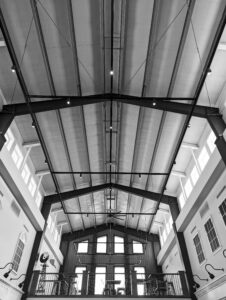
Ceiling height should be planned carefully, whether it is a design of a personal pool in the house or a commercial swimming center, as having a fall problem in the long run can be avoided.
- Begin with the function Determine pool depth, purpose, and ventilation layout early during the design process.
- Proportionate design: The ceiling needs to be spacious without too much space, which increases heating expenses.
- Incorporate moisture controls: Implement vapor barriers and anti-condensation coating.
- Integrate aesthetics and performance: Think about the way the lighting, material selection, and air flow interact in the room.
Choosing Materials for Indoor Pool Ceilings
It is important to choose the appropriate ceiling material to is durable and performs well. Options include:
- PVC panels: waterproof, lightweight, easy to maintain, and most appropriate in a wet climate.
- Aluminum or steel boards: tough, reflective, and require that they be corrosion-resistant.
- Wood in treatment/ coating: It is treated and looks natural in a sealed form.
Energy Efficiency and Sustainability Considerations
The design of ceilings plays a major role in the conservation of energy. Cavity insulation of the roof and the reduction of heat loss lead to the lowering of HVAC loads and total operational expenses.
Unless you are fond of reflective finish or light gray finish, reflective finish would be a good idea to increase the efficiency of illumination, and solar-assisted HVAC or heat recovery systems would be a good idea to be environmentally friendly. Green building certifications such as LEED also promote the recyclability of materials to be used and the efficiency of lights to be used in the pool enclosures.
Real-World Applications and Case Studies
Living rooms should have ceiling heights of about 10-12 feet, which is acceptable to the extent that they are not too high, and the cost of heating energy is not too great. By contrast, professional swimming facilities typically incorporate 1825-foot tall ceilings to allow seating of spectators, diving towers, and complex HVAC systems.
An example would be the use of a vaulted wood-paneled ceiling with built-in dehumidification vents by one luxury spa facility, which both provided a good look and effective moisture control. On the other hand, smaller home pools, with a flat ceiling, may experience a problem of condensation when ventilation is not correctly constructed an easily available and preventable error.

Troubleshooting Common Issues
Poor height of the ceiling may cause various issues in the long term:
- Condensation and growth of molds: This is due to the ineffective circulation of air around low ceilings.
- Structural stress: Due to the entrapment of humidity and corrosion of the beam or supports.
- Inequalities in air quality: As a result of air lapse and accumulation of chlorine vapor.
Some of the solutions that can be used are high-capacity dehumidifier installation, air duct placement, or retrofitting the ceiling to provide more space in problem areas. Also, regularly changing HVAC filters and ceiling finishes are some of the measures that will prolong the life of the structure.
Conclusion
The right design of a ceiling to be used in an indoor pool is basically about striking a balance between safety, performance, and beauty. It has the right height that allows the movement of air to occur efficiently, removes the occurrence of condensation, and provides the environment with a desirable, attractive look.
The knowledge of the building codes will help both the homeowners and architects to make sure that their ventilation systems are effective, the materials they use are long-lasting, and that their buildings are comfortable to remain long and healthy.
In case of doubt, the certified pool designer, mechanical engineer, or architect will always help you build a beautiful, compliant, and strong indoor pool. The experience they offer will be useful in ensuring that you maintain a beautiful, compliant, and durable indoor pool.
FAQs
Why is the ceiling height in indoor pools important?
It affects air movement, moisture, light, and safety, and these affect comfort and structural stability.
What would happen in case the ceiling is too low?
Humidity is also accumulative under low ceilings, which results in condensation, mould, and corrosion, and low ventilation efficiency.
Are they enforcing building codes?
The strict standards of ventilation and safety, which define the height indirectly, are standards like ASHRAE or ISPSC.
Is there to be an increase in the ceiling of diving pools?
Yes. Diving pools are normally supposed to be 16 to 20 feet and beyond to allow sufficient clearance and free circulation of air in the pools.