
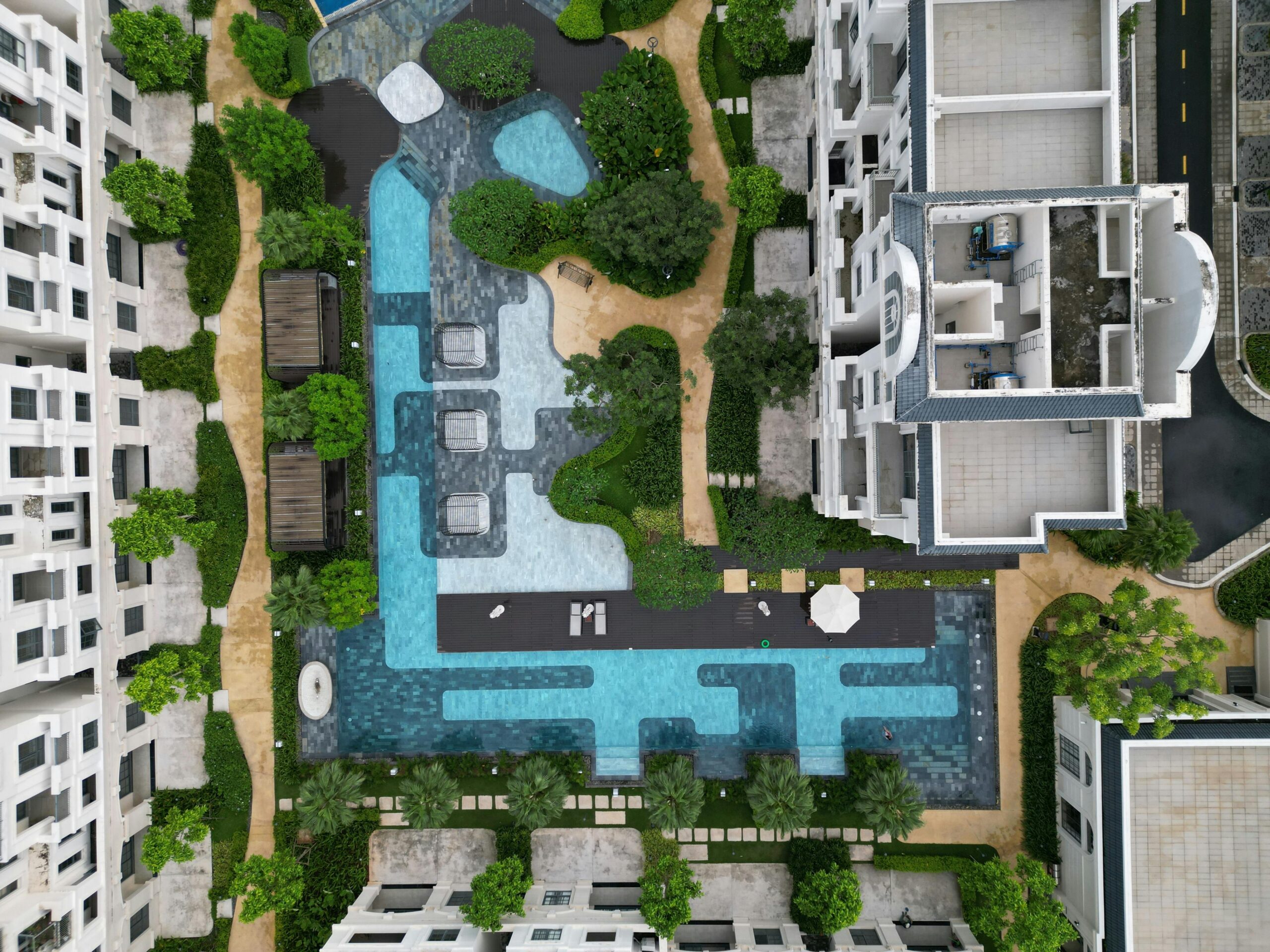
What Are Indoor-Outdoor Residential Swimming Pools?
A space that lives between walls and open air, that’s what this kind of pool offers. Moving through it feels natural, like stepping from shelter into sunlight while never stopping your stroke. Some homes frame the shift with sliding panels; others use wide gaps in the building itself. Water flows across boundaries that most pools respect. Swimming takes place where the house meets the yard, blurring the edges along the way.
The design lets one basin serve two zones at once. Water ties it together, though design does the heavy lifting. Built with attention to airflow, heat retention, and frame alignment, these pools keep interiors cozy through seasons while exteriors welcome sky and breeze. Done well, they stop feeling split instead of flowing as a single room shaped by water.
Indoor/Outdoor Home Swimming Pools
Cold gusts press at the edges, but warmth still holds inside. When brightness appears, it draws people outside without asking. Each moment like that sticks around longer than expected. Space changes how it works depending on the hour. Seasons stop deciding what you can do. Inside keeps working even if frost covers everything outside. Windows stretch wide where walls might otherwise stand. Light spills through glass, pulling sunshine into rooms that usually stay dim. A swim space sits just beyond the living area, almost part of it.
Instead of being tucked behind fences or trees, water reflects the sky right into view. Space feels looser because boundaries fade where tile meets terrace. What was once separate now breathes together. Built right, an indoor-outdoor pool boosts how people see a house. Not just looks, it shows care in planning, comfort on another level, and is still usable when winter comes; these things catch eyes where expensive homes sell.
Key Design Options for Indoor-Outdoor Pools
Smooth movement between areas lives or dies by layout choices. How air moves, plus room shape, plus P.E. shapes the experience; each detail quietly matters.
Retractable Walls and Glass Enclosures
When the sun shows up, big glass sections slide or fold away. These moving walls vanish into pockets, joining rooms with the outdoors. Cooler days call for sealing things back up. Panels lock together, holding warmth inside. Open or shut, the change feels smooth. Glass stays clear, showing gardens or skies.
Space breathes differently depending on the season. Movement is quiet, almost unnoticed. Even shut, glass walls, particularly those stretching from floor to ceiling, keep sightlines open. The outdoors stays in view, making the room feel linked despite being enclosed. That sense of connection? It matters.
Climate Control and Ventilation
Humidity builds up inside pool areas. Without proper handling, that dampness harms walls, ruins ceilings, and sometimes warps furniture too. Moisture must stay under control.
A solid setup works like this:
- Dehumidification units
- Proper air circulation
- Temperature control for both air and water
Water stuck in the walls lets mold move in quickly. Slowly, that wetness eats away at the wooden parts.
Pool Layout and Aesthetics
Start with purpose, not pressure. Walking outside needs no detours when the route stays clear and simple. Lighting, tiles, and nearby surfaces match best when they flow together from one spot to the next. That sameness keeps things feeling whole instead of split into two chunks. A single stretch of design tricks the eye into seeing unity. Details blending across zones tell the brain it’s looking at just one room.
Costs of Building an Indoor-Outdoor Residential Swimming Pool
Pools that connect inside and outside aren’t cheap. Because they’re complicated to build, these homes often cost more than typical ones.
Construction Costs
Costs typically include the following:
- Structural modifications to the home
- Reinforced foundations and waterproofing
- Glass systems or retractable walls
- HVAC and ventilation systems
When indoor building rules meet backyard pool tech, prices often jump fast. What you choose matters; too-special shapes or features usually cost more.
Maintenance and Operating Costs
Spending more time happens because of these reasons.
- Heating requirements
- Ventilation and dehumidification systems
- Cleaning both indoor and outdoor sections
Over time, better insulation plus efficient setups change how energy adds up. A big part of this comes down to what powers the space.
Materials and Features to Consider
Life span tends to depend on the materials involved. What things are built from SH and PES, and how long do they stick around? Safety leans heavily on material choices, too. Maintenance needs shift depending on the substance used. What goes into building shapes how much work it takes later.
Flooring and Decking
Slip resistance matters a lot inside, especially where floors get wet. Stone shows up often underfoot, along with bumpy tile surfaces or sealed concrete. Outside, decks face rain and sun, so they must match indoor toughness. Materials that echo each other across thresholds keep spaces feeling linked. A steady appearance ties rooms together without shouting about it.
Heating Systems
Winter stays comfortable when warmth runs constantly. Choices cover solutions like boilers, heat pumps, and electric panels, each fitting different spaces.
- Electric heat pumps
- Gas heaters
- Solar heating systems
A pool that keeps heat snug means less warmth slips away; costs stay steadier when nothing leaks into the air.
Lighting and Automation
Light shapes how a space feels while keeping it safe. Beneath the water, inside the rooms, outside among trees, each glow needs to connect. One flows into another without effort.
Automation systems can control:
- Water temperature
- Lighting
- Filtration
- Pool covers
With less hassle comes a quieter drain on power.
Real-World Applications and Design Ideas
Pools meant for inside or outside spaces fit well in many kinds of houses, not only big, high-end ones.
Luxury Homes
Out back, these pools take center stage in luxury houses. Think floor-to-ceiling windows that blur into open water lines, merging effortlessly with patios or greenery beyond. A getaway feel comes through by design: quiet, smooth, and built-in.
Compact Urban Homes
Just because there is less room does not mean the idea vanishes; thoughtful planning keeps it alive. A compact pool that blends halfway between inside and outside carries the vision, only smaller. Tall walls used well, openings in the roof, and tight floor plans adjust the fit for cozier spots. The essence stays, even when square footage shrinks.
Indoor-Outdoor Hybrid Concepts
Open-air sections might peek into what’s otherwise a closed setup, like pools meant mainly indoors but spilling slightly outside. A different twist: outdoor water areas with tucked-in roofed corners that keep the weather at bay. Cost dips when structures mix styles without losing range. Balance shifts between spaces happen quietly, yet purpose remains clear.
Common Mistakes to Avoid
Out of nowhere, it hit that teamwork between devices brings trouble more than expected. Moisture sticks around if air cannot move, quietly damaging things more each day. The layout matters just as much. When inside spaces clash with outside ones, the idea falls apart. Looks matter less when the pieces don’t fit together. Thinking ahead about money matters just as much. Some people pay attention to building fees yet forget ongoing bills that grow fast over time. Getting advice might seem extra, but still skipping it risks more spending later. Working together becomes necessary as architects start the process, engineers adjust plans, and pool experts bring details into place.
Maintenance Tips for Indoor and Outdoor Home Pools
Most well-kept pools get attention every seven days. Humidity must stay low inside, or the walls might get damaged. Outdoor spots collect leaves fast; wipe them down just like indoor parts. Testing water often helps avoid big problems later. Shifting weather outside can upset the balance quickly. Heating units need looking at now and then, same with airflow gear. Smooth operation depends on small fixes before trouble shows.
FAQs
Can you use the pool year-round?
Most of the time, if heat stays inside and cold stays out, that space indoors works just fine year-round.
Are these pools more expensive than regular pools?
True. Extra parts that hold things together, move things around, or shape how it looks will cost more to build and run.
Could there be paperwork needed beforehand?
True more often than not. When it comes to indoor pools, regulations tend to clamp down hard, particularly if walls or supports get altered in any way.
Is maintenance more difficult?
Though it takes extra steps, staying on track helps keep things under control.
Conclusion
What matters most isn’t the water, but the way space shifts. Inside living flows into open air, something regular pools fail to do. The boundary blurs not suddenly but is quietly erased by design. Still, careful thought is needed upfront. How it looks is closely tied to what it’s made of and how temperature is managed. Success hangs on these details; skip them, and expenses grow heavier over time.