
Table of Contents
ToggleWhat Are Semi-Inground Outdoor Pools?
Definition and How They Differ from In-Ground and Above-Ground Pools
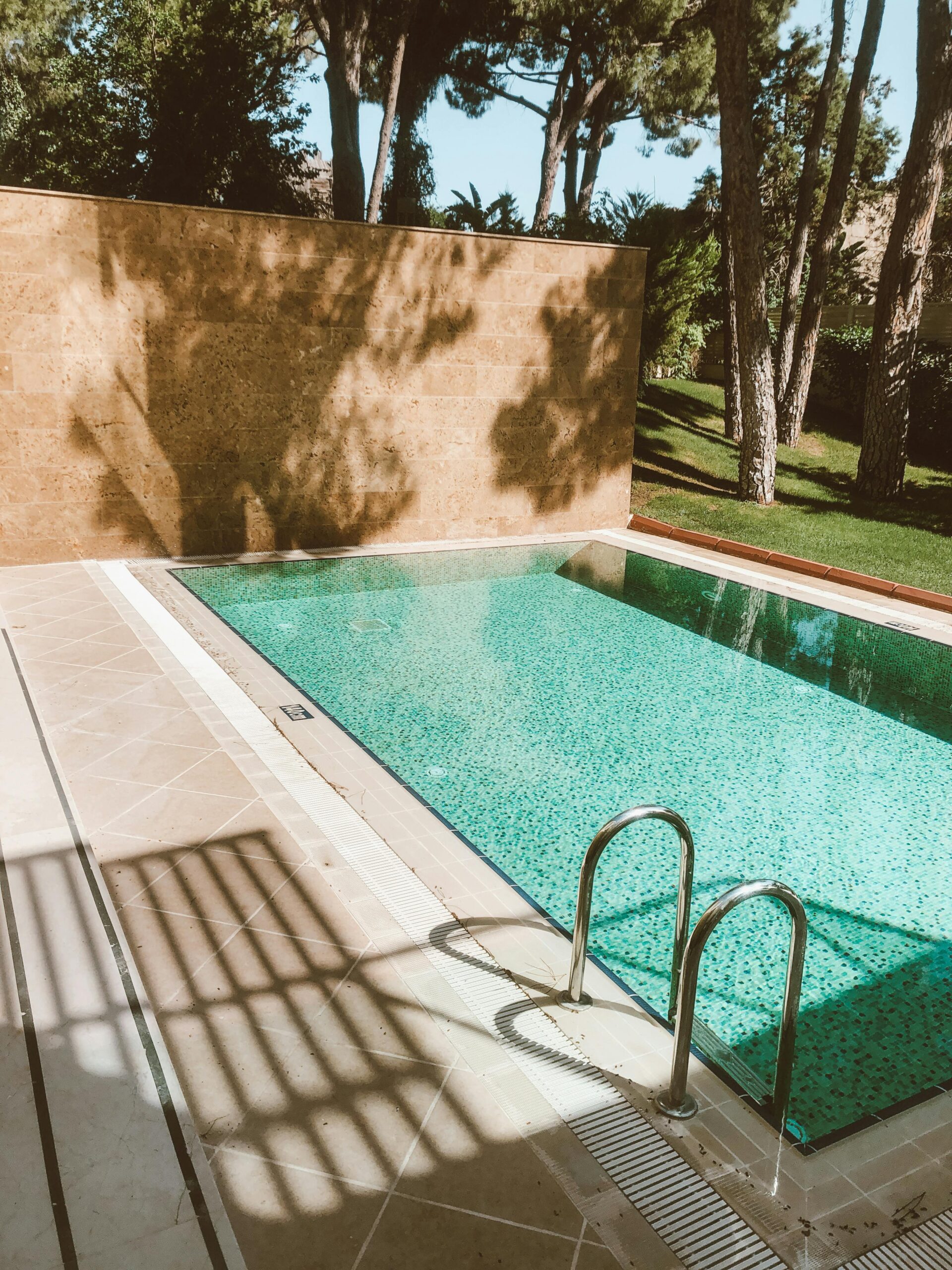
Half in the earth, half showing above semi-inground pools split the difference without going all the way down. These aren’t sunk entirely like standard built-in types, nor do they rise fully off the surface like typical backyard kits. Usually, around two-thirds of the frame drops beneath soil level, give or take a bit. The rest stands tall where sun and air meet concrete.
Built to handle dirt pushing against them, these models usually rely on steel that’s been strengthened, along with resin, aluminum, or concrete frames. Because of their solid makeup, they outlast typical pool setups meant for ground level; only those kinds can’t take being buried under the earth.
What you get when stacking them up;
- Built right into the ground, in-ground pools need full excavation before installation. While they allow nearly any design change you want, the price tag jumps way up compared to simpler options.
- Built right on top of the ground, these pools often cost less yet tend to stand out in a backyard rather than blend in.
- Standing between full inground and aboveground types, semi-inground pools offer solid build quality without high costs. Their adaptable shapes fit different yards easily. Priced lower than traditional inground versions, they still hold up well over time. A balanced pick, these models bring durability together with simpler installation.
Homeowners are drawn to semi-inground pools because they last longer but cost less than fully built-in ones. What helps them stand out is how they mix aboveground and underground features in one setup.
How Semi-Inground Outdoor Pools Are Installed
Out here, digging kicks things off, though you won’t go as deep as the whole wall demands. Part of the pool stays high, resting above the raw earth after the hole takes shape. With the frame set, dirt or stone gets packed around it, holding everything tight. Stability comes from that feeling, snug against the built-up sides.
When built into the ground, walls need extra strength along with good water runoff control. After that, adding wood platforms, rock coverings, or plants ties it into the yard naturally.
Most of these pools sit right on flat soil, but they need more than that. While dug-in models demand full-scale digging plus rigid frameworks, these avoid both extremes. A middle path emerges, cheaper to set up, yet still built to last. The method holds firm without emptying wallets.
Who Should Consider a Semi-Inground Pool?
Semi-inground outdoor pools are ideal for:
- Properties with sloped or uneven terrain
- Folks looking for something that stays put, yet skip the deep hole price tag. A solid setup minus digging too far into savings.
- Built to last, just not buried like traditional versions. Ground-level strength without draining the wallet. Standing firm but easier on budget concerns
- For folks who want creative freedom in their space but aren’t up for major renovation chaos
For those drawn to the look of a built-in pool yet wanting less digging and quicker setup, these stand out. Installation wraps up fast compared to deeper models. Costs drop when there is less groundwork involved.
Benefits of Semi-Inground Outdoor Pools
Cost Advantages Compared to Fully Inground Pools
What stands out most is the price tag. With only a bit of digging needed, along with lighter construction demands, these hybrid backyard pools often come in much cheaper when compared to full concrete installations below ground.
You avoid:
- Extensive digging
- Heavy structural reinforcement
- High-end finishing materials
Even so, the build holds strong, sunk partly into the ground; it sits as if it belongs there, looking fixed in place.
Flexible Installation Options
Out back, these pools fit just about any layout you might have. Installation works here, there, pretty much anywhere the space allows;
- Partially recessed
- Three-quarters buried
- Built right into a platform that sits higher up
- Built into a retaining wall
Finding space for a standard pool might mean heavy earthmoving, but these options adapt to uneven land easily.
Aesthetic and Design Benefits
Built-in pools sit partly underground, changing how a yard looks. They shine when matched with:
- Composite decking
- Natural stone surrounds
- Tiered landscaping
- Built-in seating
Some of these models look almost like premium built-in pools. With the visible walls covered in materials such as stone, wood, or patterned finishes, they stop appearing above ground.
Ideal for Sloped Yards
Most people pay a lot just to flatten land before putting in fully underground pools. Yet semi-underground models slip right into hillsides, needing less digging while keeping the ground’s original shape. That twist turns awkward slopes into practical backyard features.
Drawbacks of Semi-Inground Outdoor Pools
Installation Limitations
Though flexible in many ways, these models fall short of matching the customization possible with entirely custom-built concrete pools. Typically, their forms are restricted to:
- Round
- Oval
- Rectangular
Buried too deep, these layouts pop up less often because the frame says no.
Long-Term Maintenance Considerations
Though made strong, these half-buried pools still demand regular care. When water doesn’t move away from the hidden parts of the walls, it might slowly weaken the shape. Getting the fill material right matters just as much as sealing against leaks at setup.
Resale Value Impact
A backyard often feels more inviting when a semi-inground pool fits neatly into the landscape. Still, buyers in luxury neighborhoods might see less financial gain compared to full in-ground versions. How much worth it adds depends on how naturally it blends with the outdoor space.
Cost of Semi-Inground Outdoor Pools
Average Installation Cost
Some backyard semi-inground pools cost from eight thousand to twenty-five thousand dollars, shaped by dimensions, built parts, and extras tucked in. Priced right there above basic metal-frame models yet below full dig-in poured-concrete versions.
Material Cost Breakdown (Steel, Resin, Concrete)
- Starting, steel walls cost less while standing up well, yet they often need a shield against rust. Sometimes, paint or sealant steps in when the weather threatens.
- Frame setups made of resin stand up well against rust while needing less upkeep.
- Some choose concrete or hybrid setups because they last longest, though the price is steep. Toughness comes at a premium that few ignore when planning long-term. These materials stand up best over the years of wear. Cost climbs higher than alternatives without question.
How stuff is picked changes what you fix later, also shapes early costs.
Labor and Excavation Costs
Deep digging means higher costs, especially when the ground is rocky. Slopes that twist or tilt demand more work hours. Water runoff setups can push prices up, too. So do stone barriers built to hold earth back.
Ongoing Maintenance Costs
Annual maintenance includes:
- Chemicals
- Filtration system upkeep
- Electricity
- Seasonal opening and closing
Yearly upkeep might hit $800 or climb near $1,500 pool dimensions, and weather plays a part. Though smaller pools cost less, location can push expenses up fast.
Materials Used in Semi-Inground Outdoor Pools
Steel Wall Pools
Outlasting many alternatives, steel wall pools bring durability without high costs. When wet soil lingers, even galvanized or coated metal can weaken over time; drainage matters just as much as material strength.
Resin Frame Pools
Moisture hardly affects resin parts – salt air does even less. Because of this, places near oceans often use them without worry. Fewer repairs happen over time when buildings stay damp most days.
Hybrid and Composite Options
Steel meets resin in hybrid setups, offering toughness while slowing rust. Fewer breakdowns mean builders pick these materials more now. What they can handle becomes clear under pressure.
Semi Inground Pool Design Options
Deck-Integrated Designs
A space opens up when you add a wraparound deck to the uncovered section, blending form with function. Where walls open to gardens, paths flow quietly, guiding steps without showing effort. Movement slips through gaps between design and nature.
Landscape Ideas for Pools That Sit Partly Above Ground
Borders made of stone can tie the pool into its surroundings. Shrubs tuck around edges, blending things naturally. Stacked walls rise nearby, grounding the design without trying too hard. A garden built in levels makes the area look settled, not dropped in. Each added piece ties the water feature to the land around it. Terraced plants or low barriers give depth, making the whole yard seem connected. Elements placed step by step draw the eye naturally toward the pool. Built-up sections create flow between grass and water. Raised edges or greenery frame the swimming zone without blocking views.
Modern Minimalist Pool Designs
A sleek look begins with uncluttered edges. Neutral-toned deck surfaces shape the space quietly. Soft glows at dusk shift attention toward water instead of structure. Together, these touches make a half-buried pool feel modern without effort.
Small Backyard Layout Ideas
Some small yards fit better with shapes that are not too wide. Where things begin changes just how loose the room can feel.
Installation Process Step-by-Step
Planning and Permits
Start by looking up your city’s construction rules. Where you live might need approval before work begins. Fences could be mandatory. Safety walls often are too.
Excavation and Framing
Pieces of digging are done first, then the walls go up and get adjusted for flatness. After that, the materials letting water through slide into place ahead of the soil return.
Plumbing and Filtration Setup
Pipes link up first, followed by skimmers joining the setup. Pumps tie in next through careful alignment. Filtration units connect afterward using secure fittings. The whole system seals tightly before any water entry.
Final Inspection
Pipes full, crews run checks while alarms get a trial run, then shrubs go into the ground. After that.
Real-World Applications of Semi-Inground Outdoor Pools
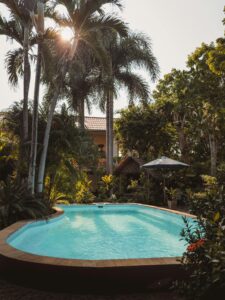
Residential Backyard Installations
Folks aiming to boost their outdoor space over time can make this work well, without spending too much. Yet it still delivers what matters.
Vacation Rentals and Airbnb Properties
Style gets a boost through these details, yet spending stays low. A touch of change brings new life, still keeping prices calm. Still, they fit neatly into tighter spending plans.
Sloped or Uneven Landscapes
Some places need a fix instead of costly adjustments to stay even.
Budget-Conscious Homeowners
Build strong, yet easier on price than solid concrete versions. Stays put through seasons while asking little money up front. Spending years in your yard without demanding a large payment right away.
Maintenance Tips for Semi-Inground Outdoor Pools
Cleaning and Water Treatment
Start by keeping the water’s acidity in check. A steady routine of disinfecting helps a lot. Filters need attention now and then; skip that, and green slime shows up.
Seasonal Maintenance Checklist
Every twelve months, examine the surfaces around you. Walls deserve attention on a yearly basis. Drainage gets checked on that same cycle. Equipment goes through testing around then, too. Structural stability? That one’s watched every twelve months.
Winterizing Your Pool
Pipes can crack overnight if the water inside becomes ice. When temperatures drop, trapped moisture swells, forcing its way through rigid walls of metal or plastic. Shutting the main valve before freezing weather hits helps avoid the mess. Pressure builds fast once expansion starts, and splitting happens without warning. Shutting down the flow removes that risk before the cold sets in deep. A cracked pipe means a mess later; better stop it now by cutting the supply early. Empty hoses completely before storing them away. Wrap outdoor fixtures tightly with insulated sleeves just in case. Frost waits quietly; better safe than sorry.
Semi-Inground Outdoor Pools vs Other Pool Types
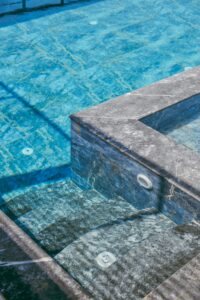
Semi-Inground vs Inground Pools
Built-in pools can be shaped however you want, often boosting a home’s price later, yet they take longer to set up while costing much more. Their features adapt fully to your space, though the timeline stretches far beyond simpler options.
Semi-Inground vs Above-Ground Pools
Built tougher, these pools stick around longer plus look better in your yard, yet they ask a bigger payment at first. While not cheap right away, their presence feels fixed, almost like an old tree rooted deep.
Which Option Is Right for You?
Choose based on:
- Budget
- Yard terrain
- Long-term plans
- Desired aesthetics
Buried just enough to feel solid, semi-inground pools cost less than full installations yet stay put year after year.
FAQs
How long do semi-inground outdoor pools last?
Most run 15 to 25 years when set up right, though what they’re made of matters just as much as the weather around them.
Are semi-inground pools cheaper than inground pools?
Fine. Usually cheaper because there is less digging, plus simpler support needs.
Do semi-inground pools increase home value?
Well-placed additions often boost charm while raising what a home might fetch later, particularly if fitted by someone skilled who pays attention to how things look together.
Can they be installed on a slope?
True enough. These partially buried backyard pools actually work well on uneven land. A slope? Not a problem at all.
Conclusion
Built partly into the ground, semi-inground outdoor pools strike a balance between cost and lasting build. Their frames hold firm, yet allow changes in shape or layout when needed. Uneven yards? No problem, they adjust without extra expense. Cheaper than full inground versions, they still deliver solid performance over time.
Built halfway into the ground, semi-inground pools offer strength without breaking the bank. Homeowners pick them because they look good yet stay affordable. Their rise in favor comes from blending sturdiness with simpler installation. Some skip full excavation just to save effort and cost. These outdoor setups sit where solid build meets sensible price.