
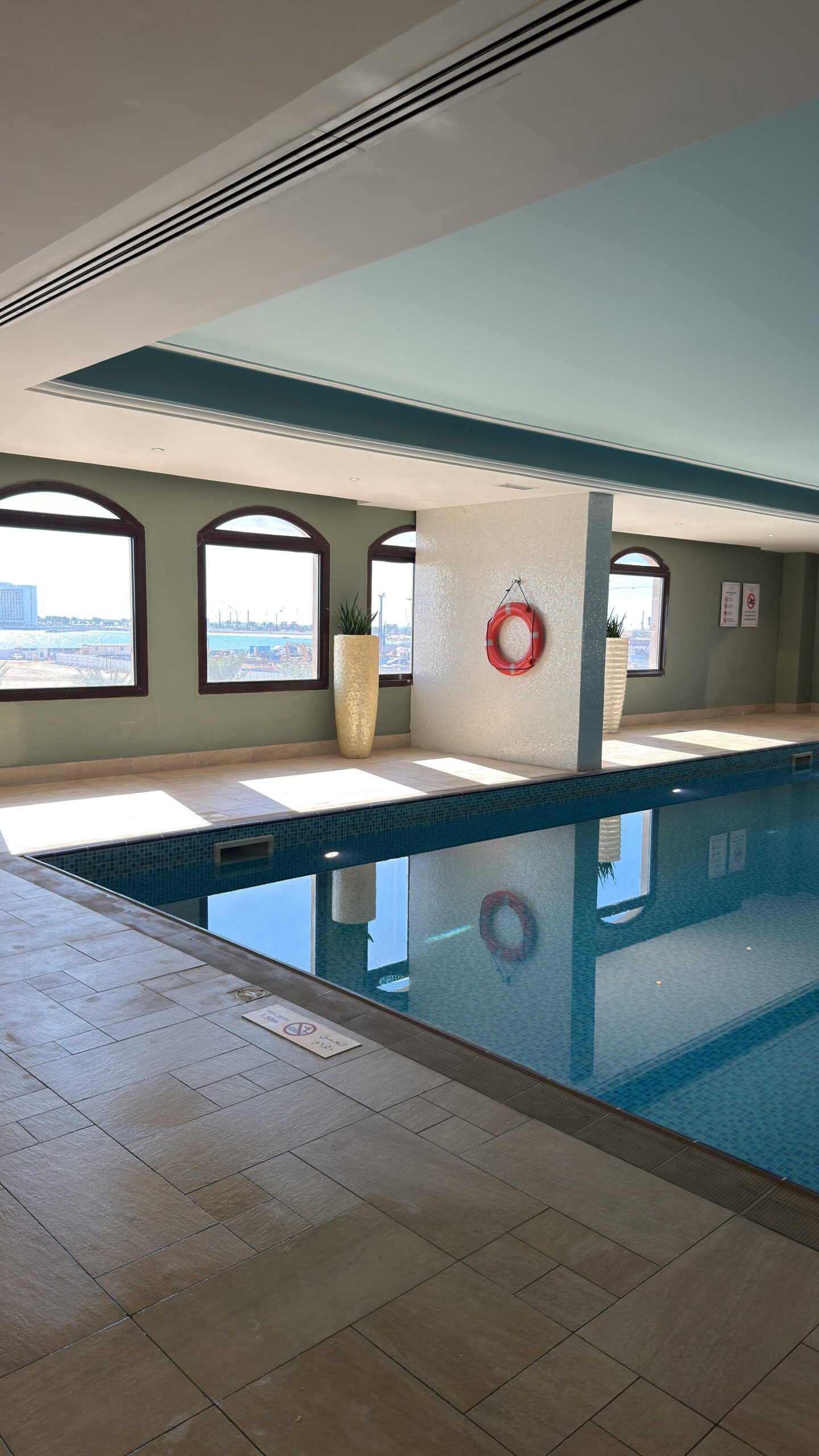
What Does “Is an Indoor Pool a Good Investment?”

Simple Explanation of an Indoor Pool Investment
When individuals pose the question, “Is an indoor pool a good investment?” what they actually mean is whether the money invested in the pool’s construction and maintenance is providing a good return. This value may be in two forms:
- The monetary worth (greater resale value, rental revenue)
- Individual value (seasonal, well-being, pleasure)
An indoor pool is an investment as long-term benefits are more than the initial and management costs.
What Homeowners Really Mean When They Ask This Question
A majority of homeowners are not looking at an indoor pool to act like stocks or real estate speculations. They’re usually asking:
- Will this hurt or help resale?
- Will its customers perceive it as an indulgence or a burden?
- Am I throwing money away?
That is, they would be interested in whether the pool will be value-adding or a source of friction upon the eventual sale of the home.
Lifestyle Value vs Financial Return

Indoor pools are known to provide high lifestyle value and poor financial returns. It can be an emotional payoff that will include day-to-day use, exercise, and time with family, and even when the resale price does not cover the cost, the investment may pay off.
What Is an Indoor Swimming Pool?
Indoor Pool Definition
An indoor swimming pool is a completely contained pool located in a building or house, which usually has controlled temperature, humidity, and ventilation systems.
How an Indoor Pool Works
Indoor pools require:
- Room (or natatorium) structural enclosure.
- HVAC and dehumidification.
- Vapor barriers and insulation.
- Drainage and corrosion-resistant materials.
These systems allow the home not to be damaged by moisture and allow the pool to be used all year round.
Indoor Pool vs Outdoor Pool
The biggest differences:
- Pools located indoors are available all year round.
- Outdoor swimming pools are cheaper to construct and maintain.
- The maintenance and engineering of indoor pools is much higher.
How Indoor Pools Create (or Lose) Financial Value

Construction Cost of an Indoor Pool
The cost of building indoor pools is high because they involve the following:
- A swimming pool
- An artificial building of its own.
They vary between 150,000 and 300,000 or even higher based on the size, finishes, and climatic conditions.
Costs of Operation and Maintenance
Annual costs include:
- Pool chemicals and cleaning
- HVAC servicing
- Structural moisture tests.
- Equipment replacement
These are costly in comparison with the outdoor pools since they are continually in use.
Expenses in energy, heating, and dehumidification
One of the largest cost drivers is energy use. Indoor pools must:
- Heat water year-round
- Control humidity 24/7
- Maintain constant run ventilation.
Badly constructed systems can cost an indoor pool a fortune.
Lifespan and Long-term Costs of Ownership

Indoor pools last for decades with due attention. In its absence, moisture may destroy:
- Framing
- Drywall
- Electrical systems
- Structural components
ROI is soon ruined by deferred maintenance.
How Indoor Pools Affect Property Value
Buyer Perception of Indoor Pools
Buyers will perceive indoor pools as
- A luxury feature or
- A maintenance burden
One seldom receives neutral reactions.
Luxury Home Market vs Average Homes
Indoor pools perform best in:
- Luxury properties
- Custom homes
- Estates with buyers who anticipate high features.
They have the ability to narrow down the number of buyers in average homes.
Neighborhood and Market Expectations
In such a case, as long as no similar homes have indoor pools, then the appraisers will not add much or any added value, however expensive it is.
Is an Indoor Pool a Better Investment Than an Outdoor Pool?

Installation Cost Comparison
Outdoor pools can be 2-3 times cheaper than indoor pools because of their enclosed systems and mechanical systems.
Maintenance and Energy Cost Comparison
Outdoor pools:
- Seasonal operation
- Lower energy use
- Simpler maintenance
Indoor pools:
- Constant energy demand
- Higher service costs
Resale Value Comparison
Outdoor pools are less difficult to market. There must be the right buyer for indoor pools.
When an Indoor Pool Is a Good Investment
Cold Climate Homes
Indoor pools have a usable value that is not available to outdoor pools in areas with long winters.
Luxury & High-End Properties
In properties and custom houses, the indoor pools enhance the exclusivity and branding of the lifestyle.

Hotels, Gyms, and Rental Properties
It can be reasonable to have indoor pools when they:
- Drive revenue
- Increase occupancy
- Justify higher rates
When an Indoor Pool Is a Bad Investment
Small Homes and Tight Budgets
The ceiling of home values is overwhelmed with high costs.
Warm Climate Areas
Existing outdoor pools provide year-long access at a small fraction of the price.
Buyers Who Prioritize Yard Space
Flexible living or entertaining space can be killed off by indoor pools.
Is an Indoor Pool Worth It for You?
Questions to Ask Before Building
- Will I use this weekly?
- Am I in a position to meet long-term operating expenses?
- Is this a feature that is appreciated by my market?
How to Estimate Your ROI
Include:
- Build cost
- Annual operating cost
- Resale premium (partial) to be expected.
- Personal use value
Signs an Indoor Pool Makes Financial Sense
- Luxury market
- Cold climate
- Intensive personal or commercial usage.
- Strong HVAC design plan

FAQs About Indoor Pool Investments
Does an indoor pool increase home value?
It is occasionally, though seldom, dollar-for-dollar. It primarily relies on the market and the type of buyer.
Are indoor pools expensive to maintain?
Yes. They are much more costly than outdoor pools because of power, heating, and ventilation requirements.
Do buyers want indoor pools?
Some do, many don’t. There is a niche market that is attracted to indoor pools.
How many years do you expect to recover your money?
In the majority of cases, the entire cost cannot be regained by means of resale.
Final Verdict: Is an Indoor Pool a Good Investment?
An indoor pool is not a universally good financial investment, but it can be a smart move in an appropriate environment.
It makes sense when:
- One of the values is lifestyle.
- The house is placed as a high-end house.
- The weather restricts the usage of outdoor pools.
- It is planned to be owned on a long-term basis.
An indoor pool is typically an improvement in lifestyle and not a business plan, and the plan should aim to achieve the highest resale ROI.