

Indoor Pool Exhaust System: Complete Guide for Humidity Control & Air Quality
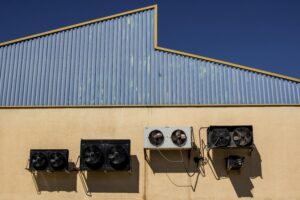
Indoor pools form a special atmosphere. Heavy moisture and air quality problems are caused by warm water, constant evaporation, chemical vapors, and closed areas. The conditions cause condensation, corrosion, growth of mold, and unhealthy air unless proper ventilation is adopted.
An indoor pool exhaust system is necessary in this case. It is not merely a kind of accessory; it is an essential building mechanism that secures not only people but also the building. This guide defines it, describes its operation, reasons why it is important, and explains how to identify the appropriate system to use in your facility.
What Is an Indoor Pool Exhaust System?
An indoor pool exhaust system refers to a specialized ventilation system that is used to take away the moist and contaminated air that exists in the indoor pool areas and substitute it with clean, dry air. It is used in contrast to normal HVAC systems designed to manage the extreme humidity and chemical byproducts that are generated by swimming pools.
Simple Explanation of an Indoor Pool Exhaust System
Simply put, an indoor pool exhaust system expels the damp air in the pool room and replaces it with fresh air. This maintains the level of humidity, eliminates condensation on walls and ceilings, and eliminates dangerous gases emitted by pool chemicals.
What People Mean When They Search “Indoor Pool Exhaust System”
By typing this word, people are normally handling:
- Foggy windows and wet walls
- Powerful chlorine odor or chemical odor.
- Rust on metal surfaces
- Mold or peeling paint
They do not want a fan alone; they want a total air control system to cover the building of the pool and to enhance comfort.
Why Indoor Pools Need a Dedicated Exhaust System
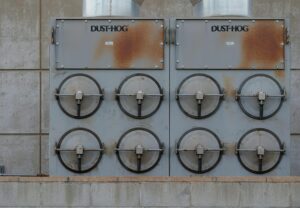
Indoor pools emit huge volumes of moisture to the atmosphere. This moisture will not evaporate; it will find its way and settle on cold surfaces, destroy materials used in construction, and provide the perfect environment for molds. Meanwhile, the chemicals used in the pool create air byproducts (chloramines), which are eye, lung, and skin irritants. An exhaust system is installed to take away these pollutants and help in keeping the environment safe indoors.
Who This Guide Is For
This guide is written for:
- Homeowners intending to build a personal indoor pool.
- Constructors and architects on pool plantations.
- Indoor pool facilities managers.
How an Indoor Pool Exhaust System Works
The operation of an indoor pool exhaust system is to provide a pattern of airflow, which is controlled in the continuous removal of warm, humid air and replacement with fresh and conditioned air.
How Moist Air Is Removed from Indoor Pool Rooms
When the water evaporates out of the pool, the air around it is saturated. This damp air is trapped by exhaust vents installed either above the surface of the pool or close to the ceiling and forced out of the enclosure.
Role of Exhaust Fans in Indoor Pool Ventilation
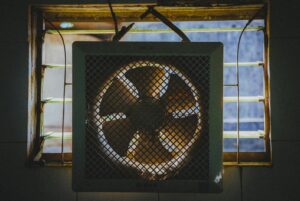
The main source of the system is the high-capacity exhaust fans. They form negative pressure that draws the contaminated air out of the room, but fresh air gets in.
Airflow Design in Indoor Pool Exhaust Systems
The airflow is proper so that the humid air is not trapped in corners or in pockets of the ceiling. The system is constructed in such a manner that fresh air passes over the surface of the pool and gets removed via exhaust points.
Preventing Chloramine Buildup with Proper Exhaust
The chlorine combines with organic matter and sweat to produce the chloramines. These gases ascend over the surface of the pool. A good exhaust system traps and eliminates them before they are dispersed around the building.
Balancing Exhaust and Fresh Air Intake
Fresh air has to get into each unit of air that is taken out. The balanced system avoids the issue of pressure, drafts, and loss of energy.
Main Components of an Indoor Pool Exhaust System
All of the system components collaborate to ensure that the air is clean.
Exhaust Fans for Indoor Pools
These powerful fans circulate swaths of air in the area.
Ductwork and Air Distribution
The air in the pool is pumped to an exhaust outlet through ducts that evenly distribute fresh air.
Humidity Sensors and Control Systems
The moisture sensors check the moisture and regulate the fan velocity automatically.

Fresh Air Make-Up Units
These units draw in external air and cool it down, then it flows into the pool room.
Energy Recovery Ventilators (ERVs)
ERVs harness heat in the exiting air and reuse it, thereby enhancing efficiency.
Benefits of Installing an Indoor Pool Exhaust System
Controls Humidity and Condensation
Maintains drywall, ceilings, and windows.
Improves Indoor Air Quality
Eliminates toxic substances and perfumes.
Prevents Mold, Corrosion, and Structural Damage
Coats building materials and increases their longevity.
Reduces Odors and Chloramines
Develops a healthier and cleaner environment.
Enhances Swimmer Comfort and Safety
Breathable air, constant temperature.
Where Indoor Pool Exhaust Systems Are Used
- Residential indoor pools
- Hotels and resorts
- Public aquatic centers
- Rehabilitation and therapy pools.
- Schools and universities
Types of Indoor Pool Exhaust Systems
Basic Exhaust-Only Systems
Simple moisture removal.
Balanced Ventilation Systems
Equal exhaust and fresh air.
Exhaust with Heat Recovery
Energy-efficient systems.
Smart-Controlled Exhaust Systems
Fully automated humidity control.
How to Design an Indoor Pool Exhaust System
Calculating Air Changes per Hour (ACH)
Pollution checks air replacement.
Proper Fan Sizing
Equates room volume and moisture conditions.
Duct Layout and Placement
Prevents dead zones.
Common Design Mistakes to Avoid
Small fans, inadequate airway routes, and controls.
Energy Efficiency in Indoor Pool Exhaust Systems
- Heat recovery
- Variable-speed fans
- Smart control systems
- HVAC load reduction
Cost of an Indoor Pool Exhaust System
Installation Cost
It depends on size and complexity.
Operating Costs
Energy and maintenance.
Maintenance Requirements
Filter replacement, fan check-up, sensor check-up.
When to Replace
In case of growing corrosion, noise, or inefficiency.
How to Choose the Best Indoor Pool Exhaust System
Consider:
- Pool size
- Building layout
- Energy efficiency
- Home vs. work requirements.
- Contractor experience
FAQs
Are exhaust systems required in indoor pools?
Yes, to regulate air quality and humidity.
What is the required air volume of an indoor pool?
Generally, 4-6 air exchanges.
Is it possible to use a regular bathroom fan?
No, it is not powerful enough.
Is an exhaust system superior to a dehumidifier?
Yes, since it not only eliminates moisture but also pollutants.
Conclusion
An indoor pool exhaust system is not a luxury; it is a must-have in any enclosed swimming pool. It safeguards the building, enhances air quality, and averts moisture damage, as well as providing a safe and comfortable atmosphere for the swimmers. However, be it a home, hotel, or any other public facility, an investment in the correct exhaust system guarantees business performance, safety, and energy efficiency over a long period of operation.