
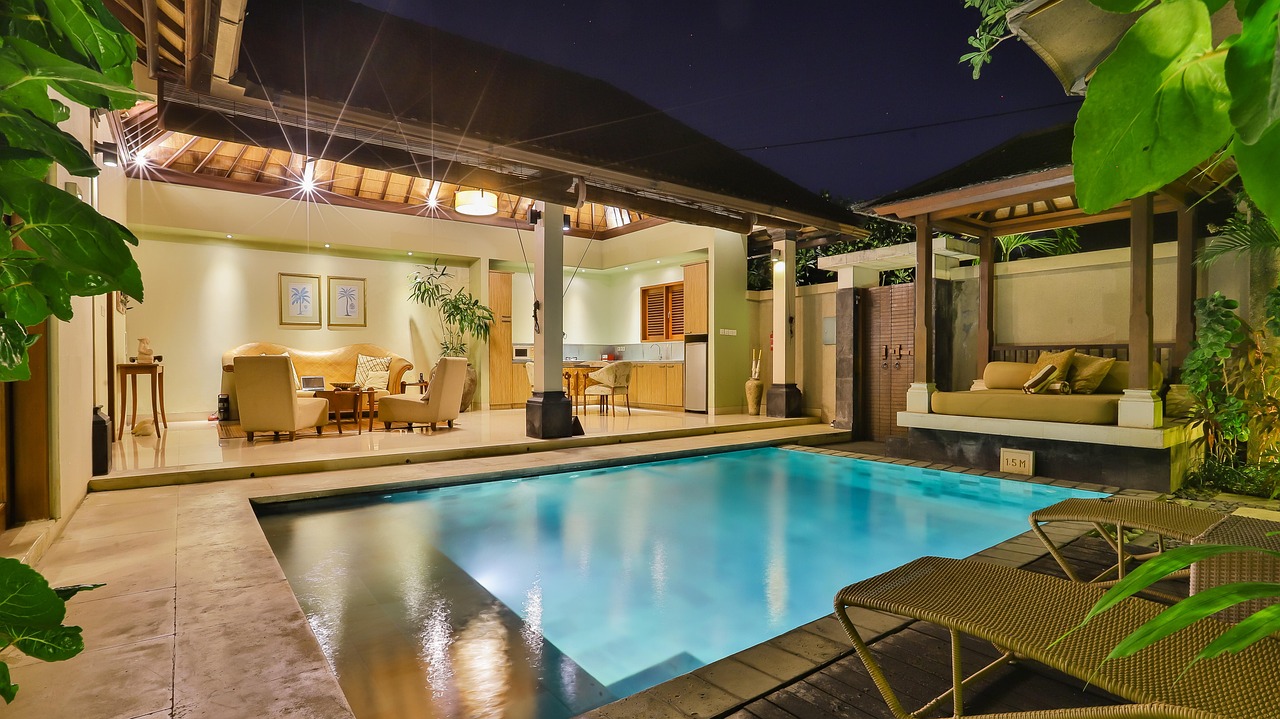
What is an Indoor Pool Penthouse Design?

Indoor Pool Penthouse Design is the architectural design and design engineering of a private swimming pool located inside the top floor of a high-rise residential tower. In contrast to the ground-level indoor pools, the penthouse pools have to combine structural reinforcing, sophisticated moisture management, skyline-facing designs, and luxury living needs all in the context of a higher urban setting.
It is not just a matter of pouring water into a room. It is regarding creating a managed water space at the summit of the building, to the most critical point of weight, humidity, privacy, and sight effects, all combined.
Simple Definition for Homeowners and Developers
To a homeowner, Indoor Pool Penthouse Design is the ultimate in building a private resort over the city, a regulated indoor swimming pool that can be used throughout the year, which has a view that brings a panoramic experience and complete privacy.
To developers, it is a feature of high value in architecture that:
- Improves high-end positioning of property.
- Separates the luxury listings.
- Enhances the resale and rental value.
It is essentially a combination of engineering accuracy and high design of a luxury lifestyle.
How Indoor Pools Work in Penthouse Spaces
A penthouse pool works quite differently compared to an ordinary pool that is indoors. It is at the summit of a building:
- The weight that the slab will hold is the weight of thousands of kilograms of standing water.
- Waterproofing coats are used to avoid seepage of structures.
- Dehumidification is used to regulate condensation to cover ceilings, glazing, and finishes.
- Special HVAC systems sustain an air and water equilibrium.
A cubic meter of water has a mass of about 1,000 kg. The load on that must be designed into the structure of the building; in a penthouse, in many cases, reinforced concrete, steel support mechanisms, or structural redistribution are necessary in the design.

Also, climate control is important. Water in warm pools allows the continual evaporation process, and until the facilities are equipped with professional ventilation, moisture may easily destroy the interiors. That is why penthouse pools are made as a closed micro-environment in the bigger house.
Indoor Pool Penthouse vs Rooftop Pool: Key Differences
These might have similar meanings; however, there is a difference.
Indoor Penthouse Pool
- Climate-controlled and entirely sealed.
- Usable year-round
- Incorporated into the living space.
- Gates need more sophisticated humidity control.
Rooftop Pool
- Generally out-of-door or semi-enclosed.
- Weather-dependent
- Lower humidity risk
- Increased exposure to external factors.
Indoor penthouse pools are more about privacy, environmental control, and architecture, while rooftop pools are all about openness and recreation.
Why Indoor Pool Penthouse Design Is in High Demand
In the global luxury markets, Indoor Pool Penthouse Design has seen significant growth due to strong demand. The trend among the high-net-worth buyers is to focus on privacy, wellness, and year-round usage as opposed to conventional amenity spaces. This is not a coincidental trend, but a result of changing expectations of urban living.
Privacy and Exclusive Urban Living
Privacy is a luxury in Urban culture settings.
- Above all, eradicates common facilities.
- Removes public visibility
- Builds a refuge on urban noise.
In contrast to community building pools, this is an entirely personal water facility – only residents and guests are allowed to use it. To most high-end consumers, such exclusivity is the only reason to spend money.
Year-Round Swimming in Any Climate
- When the pool is enclosed and climate-controlled, it does not matter whether it is unpredictable weather.
- The pool environment is not affected by extreme heat, winter frost, or hard rain. The air temperature, humidity, and water heating are controlled, ensuring countless year-long use.
- This comes in particularly handy in cities where seasonal shifts are harsh.
Increasing Property Value in Luxury Real Estate
From an investment perspective, indoor pool penthouse design is a luxury differentiator.
Premium features:
- Increase the desirability of the listing.
- Shorten the time on market.
- Strengthen pricing power
The likes of having a private outdoor pool within the house take the property to another level altogether in competitive high-rise markets.
Structural Requirements for Indoor Pool Penthouse Design
This is the level of structure where ambition meets reality. The concept does not work without specific engineering.
Load-Bearing and Reinforcement Considerations
Water is extremely heavy. A small 8m x 3m pool is capable of imposing tens of tons of weight. Planning structures entails:
- Reinforced concrete slabs
- Steel beam integration
- Load distribution analysis
- Vibration control. Vibration deflection control.
This is designed for preliminary construction in new developments. Structural consultants should be cautious in retrofits.
Waterproofing and Moisture Protection
Intrusion of water on the penthouse level may destroy several floors underneath. Professional systems entail:
- Waterproofing of multi-layer membranes.
- Protective screeds
- Drainage slopes
- Expansion joint sealing
Structural degradation is avoided in the long run through proper detailing.
Ventilation and Humidity Control Systems
Humidity is the silent threat of indoor pools. The mute danger of indoor swimming pools is humidity. Unregulated evaporations result in:
- Mold growth
- Window condensation
- Corrosion of metal elements
- Damage to wood finishes
The units of dehumidification are dedicated, and they are usually incorporated within the HVAC system, which controls the amount of moisture at all times. Air cross circulation is also specially manufactured to avoid sultry stagnant areas.

Heating and Energy Efficiency Solutions
Sustainability and operating cost control require energy planning. Common solutions include:
- Heat recovery systems
- Insulated pool covers
- High-efficiency heat pumps
- Smart temperature zoning
An effective system will ensure that the energy wastage is reduced and comfort is not compromised.
Luxury Features in Indoor Pool Penthouse Design
After the security of structure and systems, design becomes the layer that defines.
Glass Walls and Skyline Views
Glazing incorporated in the floor up to the ceiling makes the pool appear as a continuation of the skyline. Strategic positioning enables:
- City panoramas
- Sunset reflections on water
- Harmonious integration of indoor and outdoor.
The thermal efficiency is provided by the high-performance glazing without the blockage of views.
Smart Lighting and Automation
Lighting shapes the atmosphere. Integrated systems allow:
- Adjustable background lights.
- Underwater LED color scenes
- Automated climate control
- Remote pool monitoring
Smart controls are more convenient and experience-based.
Spa Additions: Sauna, Steam, and Jacuzzi
Assimilation of wellness is gaining momentum. Opposite spa amenities form a whole vacation:
- Steam rooms for detox
- Saunas for relaxation
- Recovery hydrotherapy jets.
This turns the pool area into a complete wellness suite.
Minimalist vs Resort-Style Concepts
The direction of design is a matter of lifestyle.
Minimalist Approach
- Clean lines
- Neutral materials
- Architectural simplicity
Resort-Style Approach
- Natural stone
- Lush interior landscaping
- Textured finishes
They can both be carried out in a graceful style when combined with the general penthouse style.
How Much Does an Indoor Pool Penthouse Design Cost?
The prices differ greatly depending on size, location, and the complexity of engineering.
Construction and Structural Costs
The highest cost is the reinforcement of the structure and building of the pool.
This includes:
- Engineering consultations
- Structural upgrades
- Custom pool fabrication
- Waterproofing systems
The cost of penthouse installations is usually higher than that of n ground-level pools because therequirend access and reinforcement.
HVAC and Dehumidification Expenses
- Special climate control systems are expensive and comprise a large part of the budget.
- Heat recovery systems and dehumidifiers are both necessary and not luxuries.
Maintenance and Operating Costs
Ongoing expenses include:
- Water treatment
- Energy consumption
- Equipment servicing
- Structural inspections
The efficiency planning during the design phase minimizes the long-term costs.
ROI in Luxury Real Estate
- The initial investment is high, but the value added in the luxury markets may counter the investment.
- Extra new and luxurious facilities can be sold at a high price and make the property prestigious.
Real-World Indoor Pool Penthouse Design Examples
It is clear when the manner in which these concepts translate into practice is understood.
Modern Urban Penthouse Case Study
The penthouse of a city combinesa small lap pool running parallel to a glass exterior to optimize the viewing of the skyline and structural harmony. The primary design priorities are minimalism, oneness with the natural light, and low-key ventilation.
Ultra-Luxury High-Rise Installing
Fountains can be incorporated in large fitness rooms in the ultra-premium towers, spa suites, personal lounge, and advanced automation. Such installations portray building ambition and monetary strength.
Compact Penthouse Pool Solutions
- The plunge pools or hydrotherapy pools can be integrated into even smaller penthouses.
- It can be smartly laid out and be useful without cluttering the space.
FAQs
Is Indoor Pool Penthouse Design Worth the Investment?
To individuals who value privacy, wellness, and exclusivity, yes. It is more of a style investment than a monetary investment.
What Are the Biggest Structural Challenges?
The main technical challenges are the weight distribution, slab reinforcement, and moisture control.
How Do You Control Humidity in a Penthouse Pool?
It is done by special dehumidification, even distribution of air circulation, and closed detailing of the architecture.
Can Existing Penthouses Be Retrofitted?
Yes, in certain instances, but structural capacity and building laws to determine whether this is possible.
Conclusion: Is Indoor Pool Penthouse Design Right for You?
Penthouse Design Indoor Pool is not a haphazard upgrade. It is a long-term architectural choice that integrates the precision of engineering, luxurious appearance, and long-term planning.
It is ideal for:
- High-rise luxury homeowners
- Premium differentiation is desired by developers.
- Customers who attach importance to privacy and holistic fitness all year long.
When exclusivity, views of the skyline, and indoor comfort under control are a part of your vision, this design idea can provide one of the most advanced means of uplifting urban life.